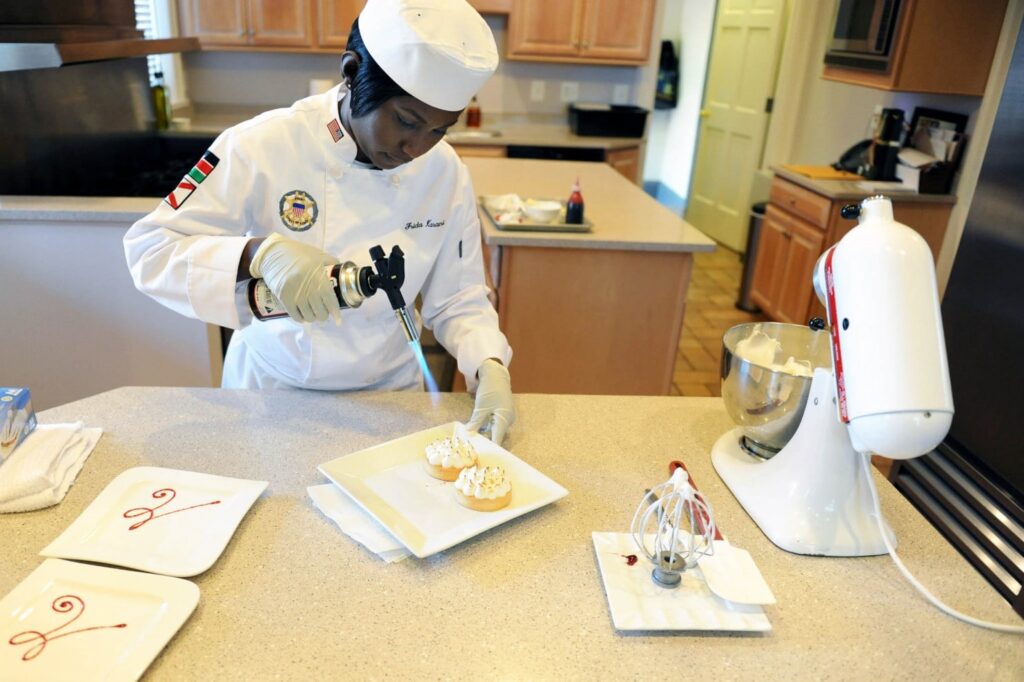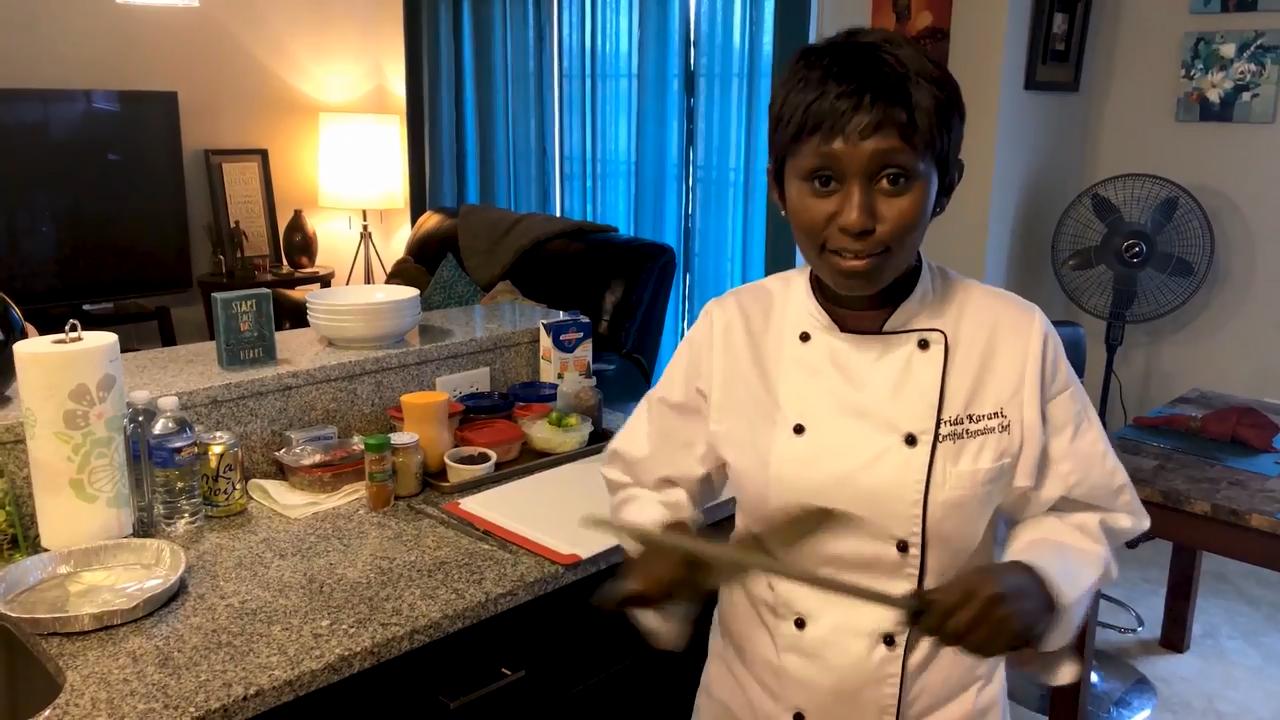
When Frida Mukei Karani left Kenya for the United States in 2006 as an exchange student in a
hospitality programme in Orlando, Florida, she could not have imagined that her journey would
one day lead her to the Pentagon, the headquarters of the U.S. Department of Defense, where
she now serves as an enlisted aide, effectively working as a private chef to top military officials.
Today, she joins a growing list of Kenyans in the diaspora making remarkable strides on the
global stage.
Born and raised in Mombasa, Karani did not initially have a passion for cooking. Instead, her
early exposure to the kitchen came from her grandmother, who insisted she learn basic culinary
skills not as a career path, but as a life necessity.
“I wasn’t interested in cooking at first,” she admits. “My grandmother just wanted me to know
how to cook for my family someday.”
After completing high school, Karani aspired to pursue customer service studies. However, in
what she describes as an unexpected turn of events, she found herself enrolled at Kenya Utalii
College studying food production. It was a decision that would quietly set the foundation for her
future.
Her passion for cooking developed gradually.
“At first I was not into cooking until I worked with a German chef in Dubai,” she recalls. “That’s
when my grandmother’s teachings came back to me, and I decided to take cooking seriously.”
Determined to refine her craft, Karani immersed herself in her studies and soon secured an
opportunity through the American Hospitality Academy (AHA), which places international
students in hospitality roles to gain practical experience.
After graduating, she worked in several hotels and restaurants in Kenya before landing a role at
the Hyatt Regency Dubai. The experience broadened her exposure to international cuisine and
professional kitchens.
At the end of her two-year stint in Dubai, she made a bold decision—to return to AHA and apply
for a placement in the United States.
“I just wanted the experience before coming back to Kenya,” she says. “So, I didn’t renew my
contract in Dubai. In August 2006, I was on a plane to Florida.”
Her transition to life in the U.S. was smoother than she expected, although not without its
challenges.
“I had a bit of culture shock,” she says. “Dubai felt familiar in some ways, but the U.S. was a
whole new environment, fast-paced, and of course, there are bills to deal with.”
While in the U.S., Karani furthered her studies at Le Cordon Bleu, one of the world’s most
prestigious culinary institutions. The training sharpened her technical skills and prepared her for
the next phase of her journey.
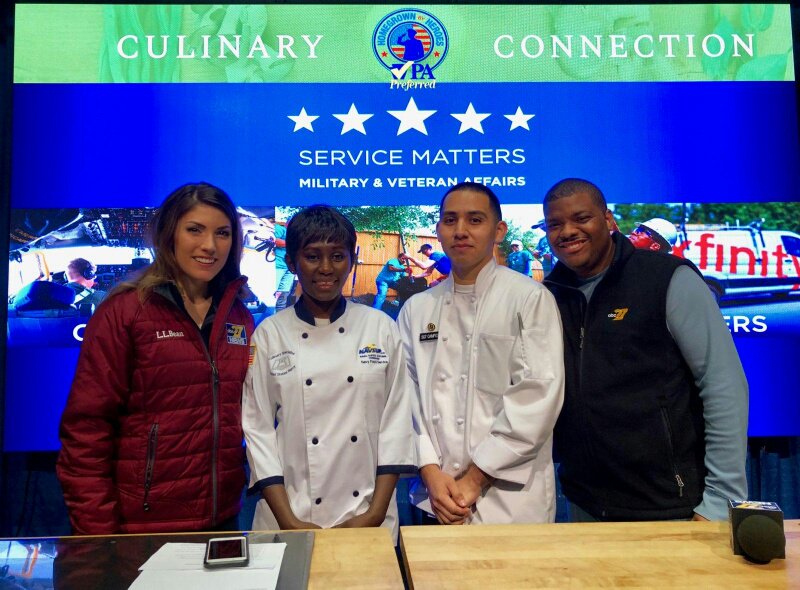
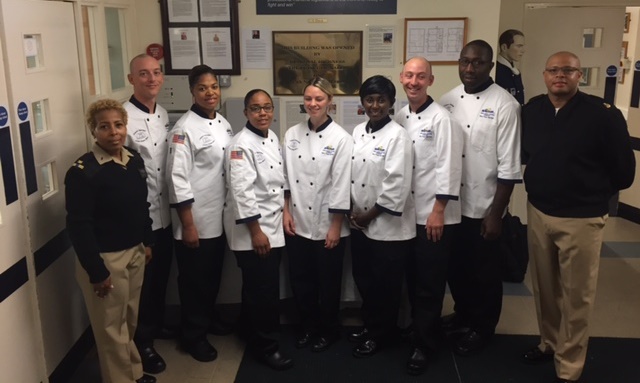
In 2010, she took a decisive step by joining the United States Navy as a culinary specialist. She
graduated at the top of her class from the Navy’s advanced culinary school, an early sign of the
excellence that would define her career.
For Karani, the learning never stops.
“Cooking is not a one-day thing,” she says. “Trends change; techniques evolve and you have to
keep learning every single day.”
Her commitment to growth has seen her earn certifications from the American Culinary
Federation and compete in numerous culinary competitions both in the United States and
internationally. She also gained widespread recognition after appearing on the popular
television show Chopped which she won.
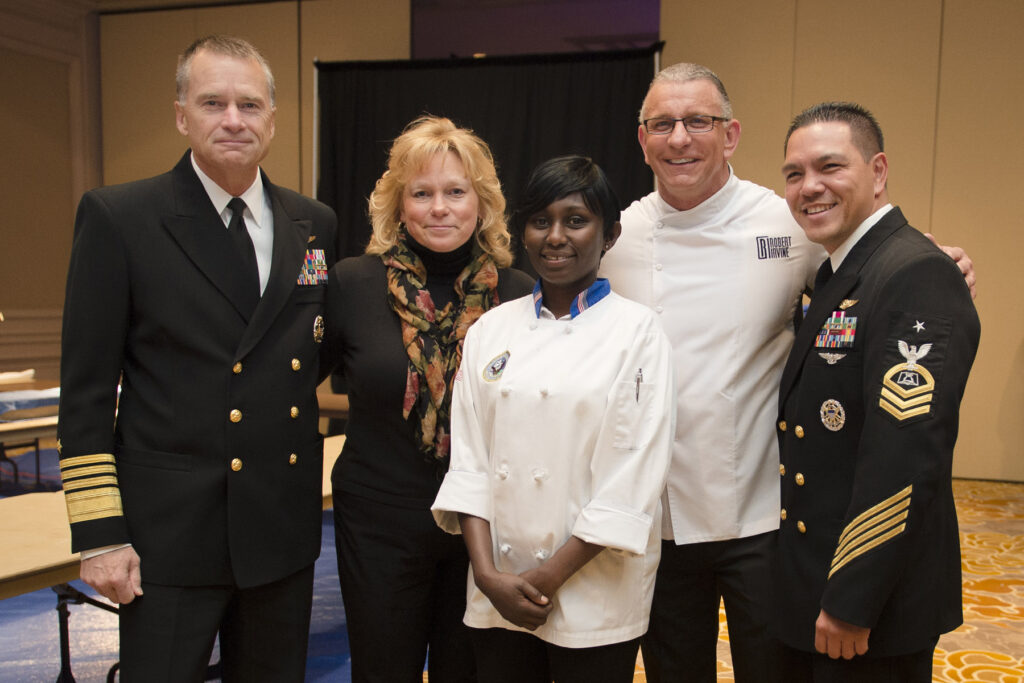
One of her most defining moments came in 2016, when she won the Armed Forces Chef of the
Year competition, becoming only the second woman in the event’s 41-year history to achieve
the feat. Working with a basket of mystery ingredients, she impressed judges with a
sophisticated four-course menu that included seared red snapper and fried smoked oysters
served with gnocchi in a clam-tomato broth.
That same year, she earned multiple accolades, including Joint Staff Sailor of the Year and
Enlisted Aide of the Year. In 2017, she continued her winning streak, taking home additional
honours, including the Joint Exercise Grand Prix award.
Her success story unfolds against the backdrop of a growing Kenyan diaspora in the United
States. While official estimates place the number at around 130,000, some figures suggest it
could be as high as 300,000. Within this community, experiences vary widely from thriving
professionals and entrepreneurs to those navigating significant challenges.
Karani acknowledges these realities but remains optimistic.
“The best thing about America is that you can make or break yourself,” she says. “You can
create your own path if you stay focused. Challenges are everywhere but it’s how you respond
to them that matters.”
She adds that growth often comes from stepping outside one’s comfort zone.
“If you are in a room where you are the smartest person, then it’s time to leave,” she says. “You
have to keep challenging yourself.”
Despite her success abroad, Karani has her sights set on giving back to Kenya. She hopes to
one day return home and mentor aspiring chefs, helping to elevate the country’s culinary
industry.
“Kenya has so much potential, and the food industry is evolving globally,” she says. “I want to
come back and make a difference, especially by mentoring young chefs.”