When Barbadian fashion designer J. Angelique arrived in Nairobi, it was more than a
professional milestone, it was a cultural homecoming of sorts. Known for her vibrant
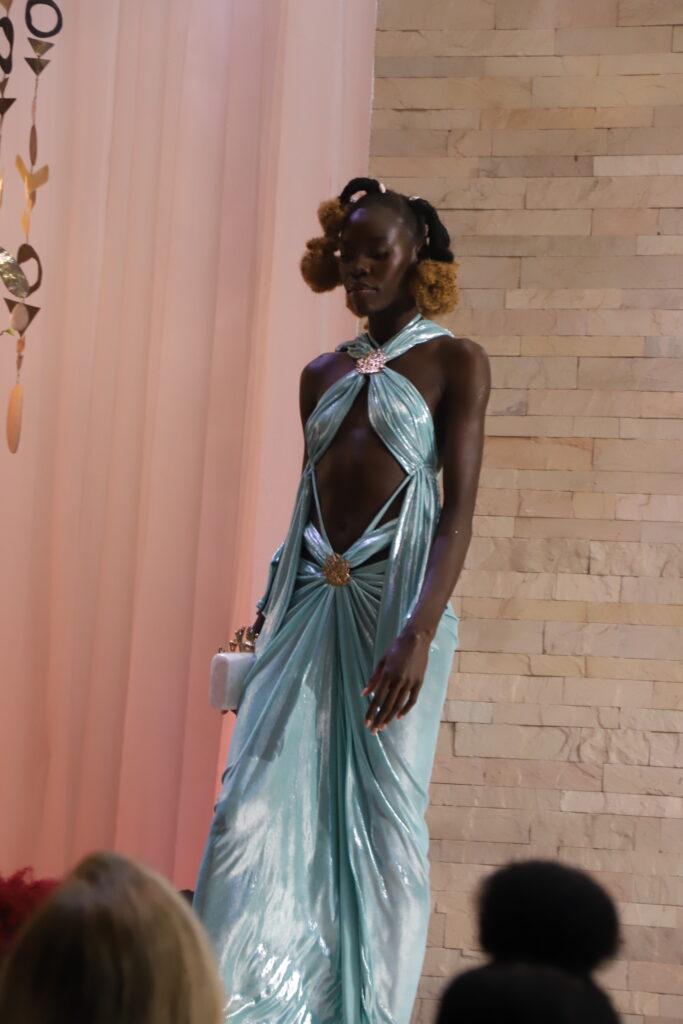
resort wear and festival designs, Angelique is using fashion as a bridge between the
Caribbean and Africa, exploring shared histories, identities, and creative possibilities.
As the founder of the J. Angelique brand and a director in the Crop Over festival
costume band Vida by Esquire, her work sits at the intersection of fashion, culture, and
celebration. Her designs—bold, colourful, and expressive—mirror the energy of
Caribbean festivals, where clothing becomes both art and identity.
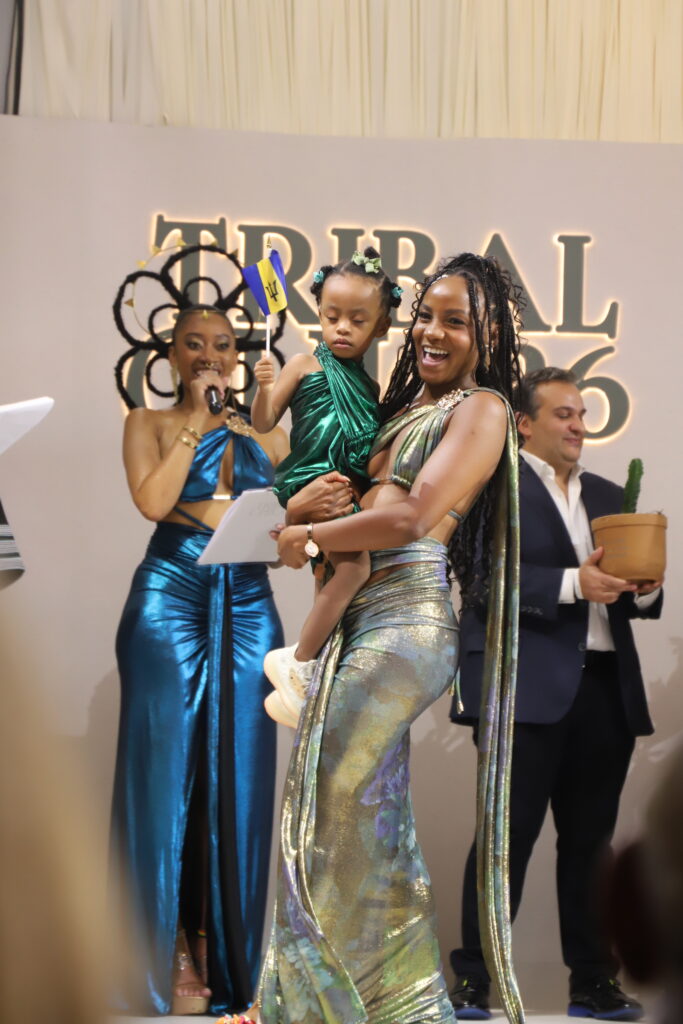
For Angelique, the journey into fashion began long before the runway.
“I think it was just a natural knack for fashion,” she says. “My mother and grandmother
were very stylish, and my grandmother was an expert seamstress. She was very
detailed and meticulous, and I think that love for craftsmanship passed down.”
Despite this early influence, her academic path initially took a different turn. She
pursued sociology at undergraduate level before advancing to a master’s degree in
development statistics. But fashion remained a constant thread.
“While I was at university, I got an opportunity to organize a fashion show,” she recalls.
“That experience pushed me to release my first collection around 2012 or 2013. It went
really well, and from there the journey just continued to grow.”
Today, her work is largely categorized as resort wear and festival fashion, styles deeply
rooted in Caribbean life.
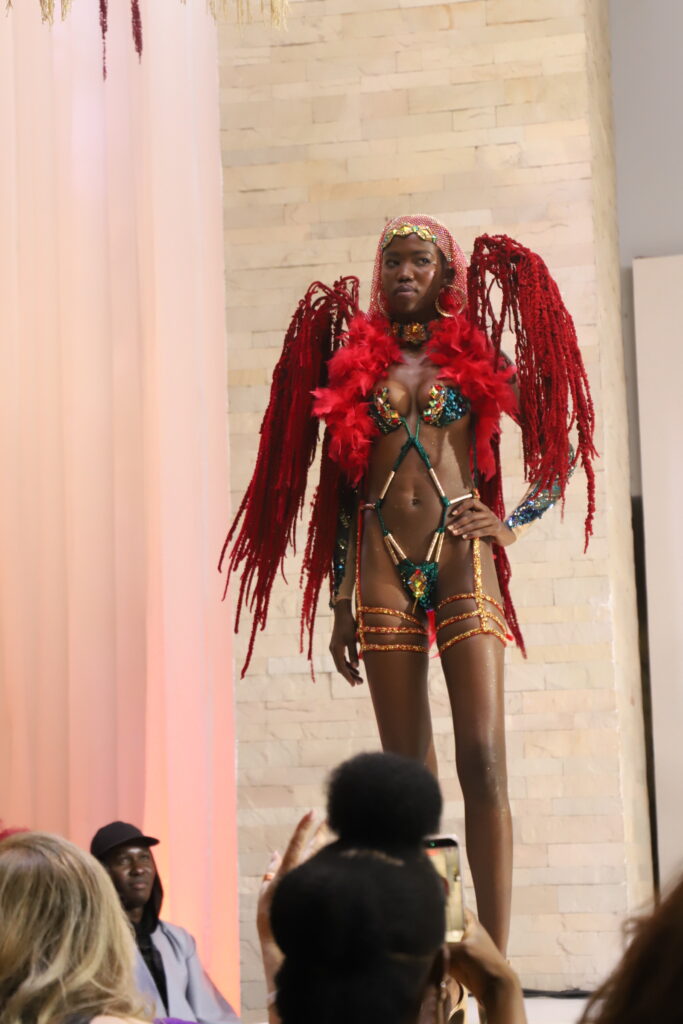
“Our designs are inspired by the culture and the things we do,” she explains. “During
carnival and festivals, people attend many events where they dress up, celebrate and
party. Our fashion reflects that very vibrant, very colorful, and full of life.”
Her identity also shapes her aesthetic. With a Trinidadian mother and a Barbadian
father, Angelique describes her work as a fusion of both cultures. In both countries, she
notes, there is strong pride in supporting local designers and expressing cultural identity
through clothing.
Her recent visit to Kenya marked a new chapter, one defined by cross-continental
exchange. The opportunity came through an unexpected connection involving the
Kenyan High Commission in Barbados.
“The High Commissioner’s wife was actually one of our customers,” Angelique explains.
“She told us she could see our brand in Kenya. From there, conversations started, and
eventually it became a collaboration to bring us here.”
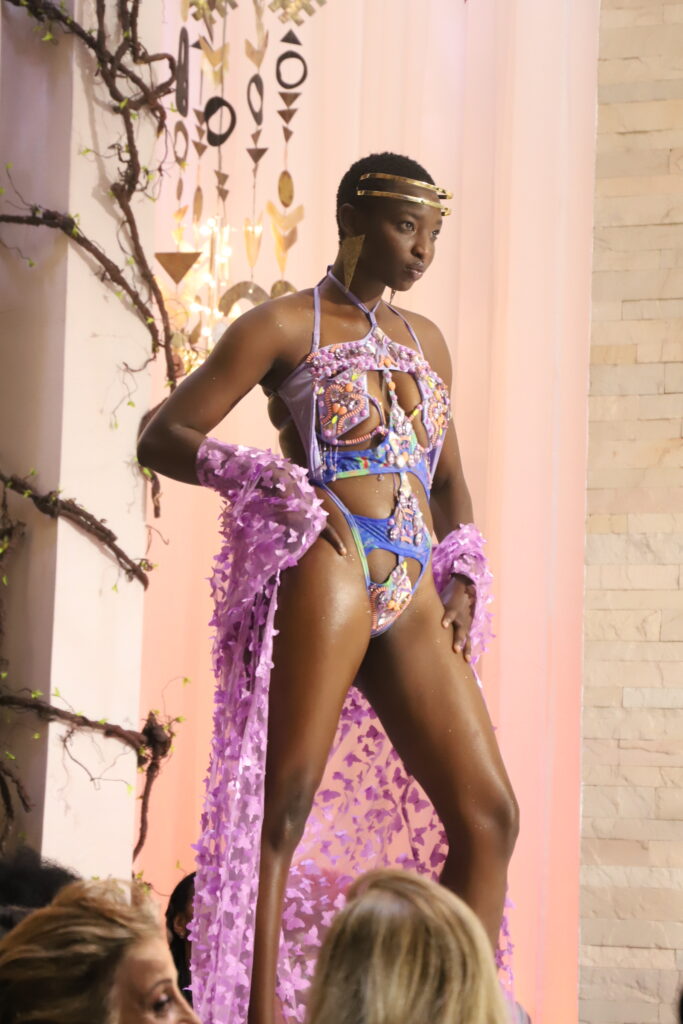
In Nairobi, Angelique participated in events linked to the Tribal Chic platform, where she
engaged with Kenyan designers and explored the local creative scene.
“There was a pop-up where designers showcased their work, and it was amazing to
meet local creatives,” she says. “They were very open and excited to see Caribbean
fashion up close, and I was equally excited to see what modern African designers are
doing beyond what you usually see on television.”
While she acknowledges stylistic differences between Caribbean and African fashion,
Angelique sees strong parallels particularly in the challenges designers face.
“Small designers everywhere struggle with financing, scaling their businesses, and
protecting their designs,” she says. “Large corporations sometimes replicate ideas, and
that’s something we all have to navigate.”
These shared realities, she believes, create fertile ground for collaboration.
That sense of shared experience extended beyond fashion. During her visit, Angelique
participated in a roundtable discussion with women leaders across industries, where
conversations revealed striking similarities.
“No matter the country or industry, the stories were very similar,” she says. “But the
common thread was resilience, people pushing through challenges until they achieve
success.”
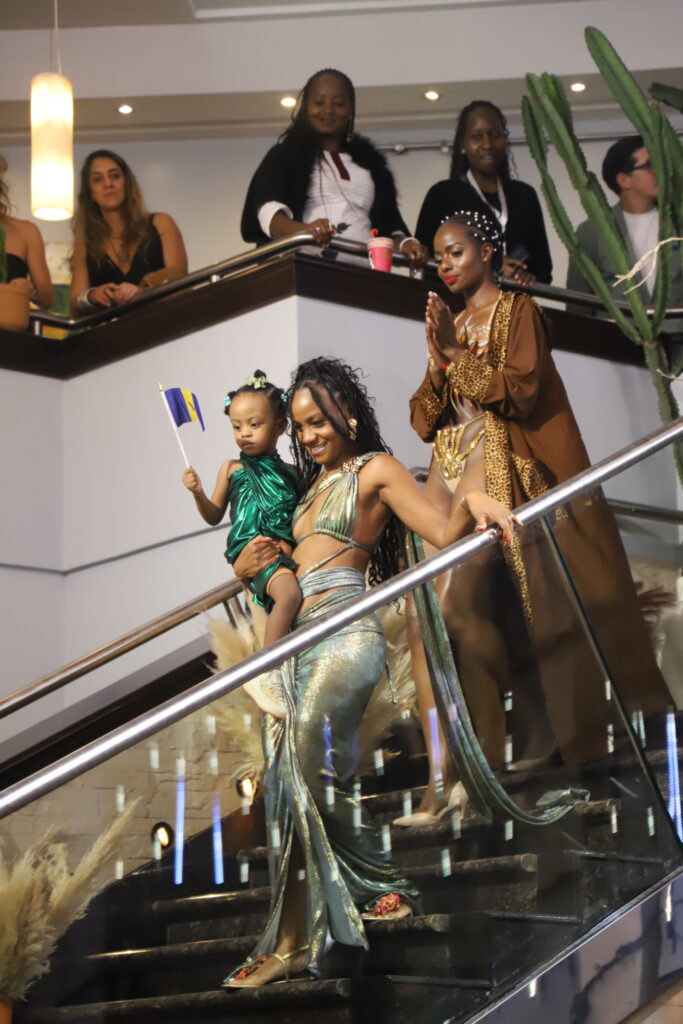
For Angelique, platforms that merge fashion, tourism, and culture are essential in
building sustainable creative industries.
“Fashion needs an ecosystem,” she explains. “It’s not just about showcasing designs
but also about creating opportunities to sell products, connect with customers and build
sustainable businesses.”
She points out that in the Caribbean, large-scale fashion platforms have become
limited, pushing many designers toward independent growth. Sustainability, however,
has naturally become part of that model.
“Many Caribbean designers produce in small batches or made-to-measure,” she says.
“You produce what you know you can sell instead of flooding the market with excess
clothing.”
This approach reduces waste and aligns with global conversations around sustainable
fashion, positioning Caribbean designers as quiet leaders in responsible production.
Beyond the runway, Angelique’s visit to Kenya also became a journey of cultural
discovery. Exploring museums and historical sites, she found echoes of the Caribbean
experience in Kenya’s past.
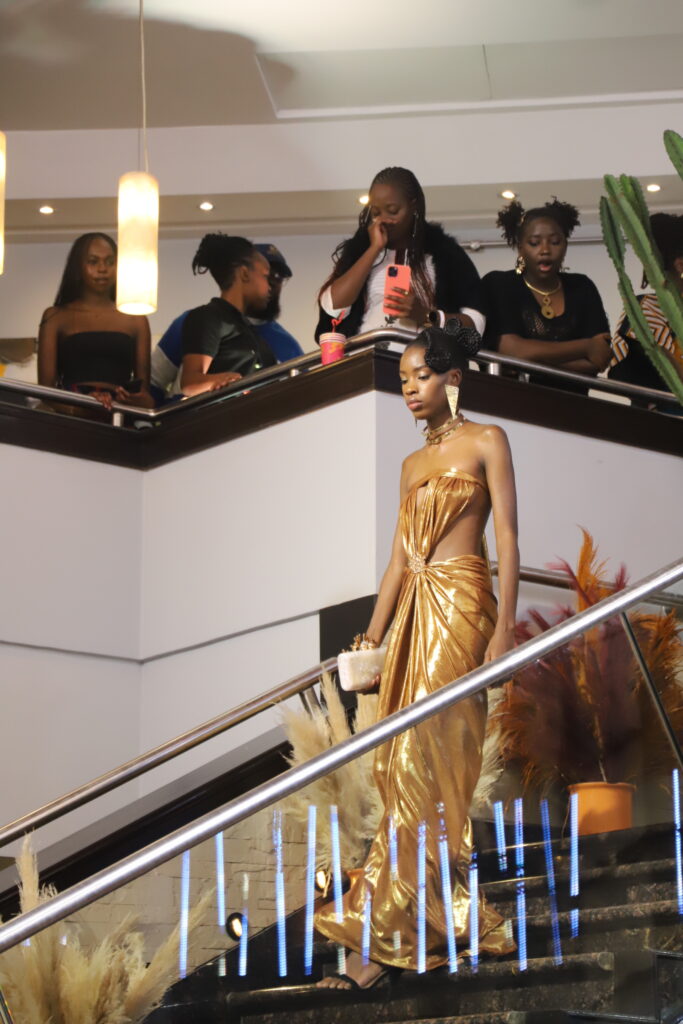
“The histories are surprisingly similar,” she says. “Of course, our ancestors came from
Africa, but learning about colonialism here and seeing the connections was very
powerful.”
Yet despite these deep historical ties, she notes that cultural exchange between Africa
and the Caribbean remains limited.
“Many people in the Caribbean don’t know much about Africa, and the same is true the
other way around,” she says. “Yet there are so many similarities.”
Improving connectivity, she adds, will be key to strengthening these links—not just in
fashion, but across tourism and trade.
“Sometimes people travel to places like Miami instead of neighboring regions because
it’s easier,” she notes. “So part of the solution is better connectivity and making it easier
for people to explore different places.”
For travelers, Angelique encourages a deeper engagement with culture whether in
Barbados or elsewhere.
“When you visit Barbados, do what the locals do,” she says. “Eat traditional dishes like
pudding and sauce or flying fish and cou-cou. Visit local streets, talk to people, and
explore places like Harrison’s Cave and our beaches.”
Equally important, she adds, is approaching travel with openness.
“Every culture has its own rhythm. The key is to be open, try the food, listen to the
music and appreciate the differences.”
Looking ahead, Angelique hopes her visit to Kenya will spark long-term partnerships
and expand her brand’s reach. With a population far larger than Barbados, she sees
Nairobi as a gateway to new opportunities.
“Nairobi is a huge market compared to where we come from,” she says. “The idea is to
connect, build partnerships and eventually expand.”
But beyond business, her mission remains rooted in something deeper: reconnecting
with heritage and celebrating cultural evolution across continents.
“We are descendants of the motherland,” she says. “Our culture in the Caribbean is
what grew from that history. It has evolved into something vibrant and beautiful, and we
want people to come and experience it.”