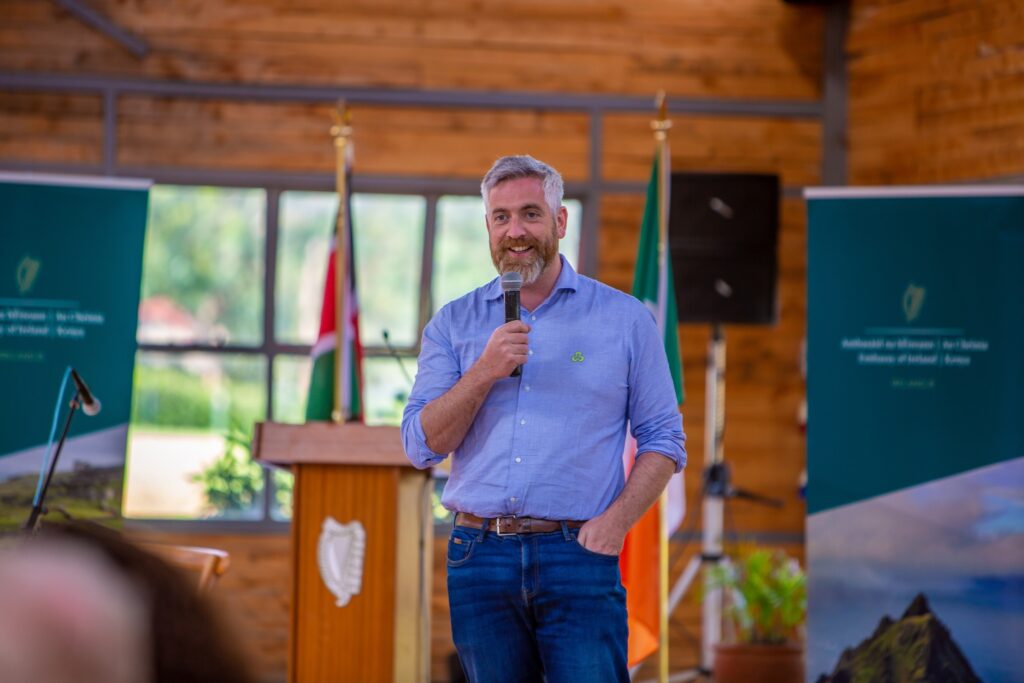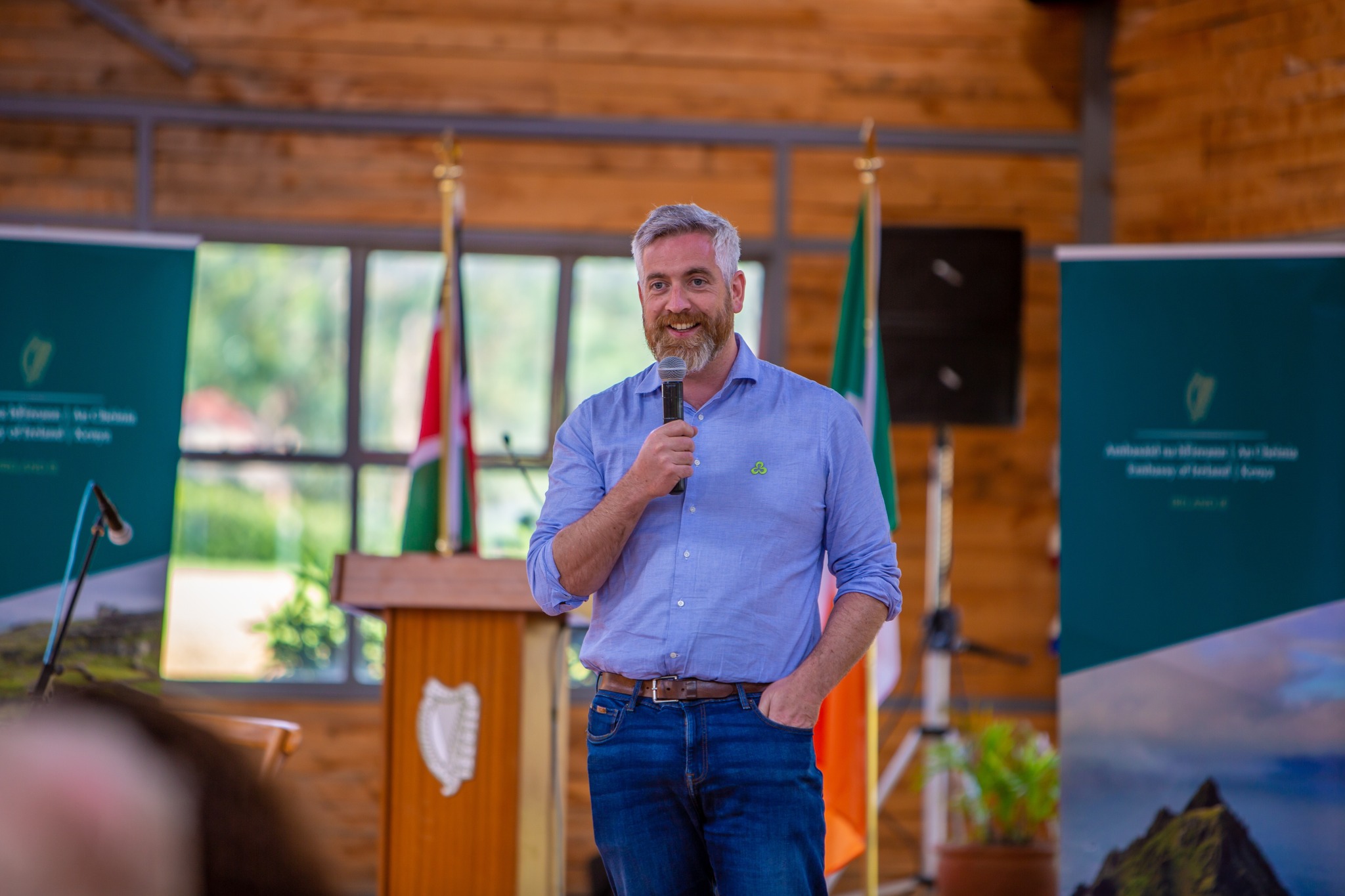
Relations between Ireland and Kenya have long been shaped by development
cooperation, education partnerships, and humanitarian support, often driven through
diplomatic channels and faith-based initiatives dating back decades. However, the
recent visit by Christopher O’Sullivan, Ireland’s Minister of State for Nature, Heritage
and Biodiversity, signals a shift toward a more dynamic and forward-looking
partnership between the two nations. The visit broadened the scope of cooperation by
directly engaging Kenyan youth leaders, exploring climate collaboration, strengthening
trade dialogue, and opening discussions on labor mobility opportunities for Kenyan
professionals. By combining grassroots community engagement with high-level
economic and environmental discussions, the visit highlighted a new phase in
Ireland–Kenya relations, one centered not only on support, but on mutual learning,
shared economic opportunities, and long-term partnership. As Kenya continues to
navigate rapid urban growth, environmental pressures, and an approaching election
cycle, partnerships such as this may play an increasingly important role in shaping the
country’s development path.
Speaking while at a round roundtable discussion at Mukuru Kwa Njenga which brought
together community organizers and youth activists working on housing rights, climate
advocacy, and civic education, the minister shared how Ireland is tackling its own
environmental and energy challenges, including grants to retrofit low-income homes,
and said rich polluting countries have a civic duty to fund solutions elsewhere.
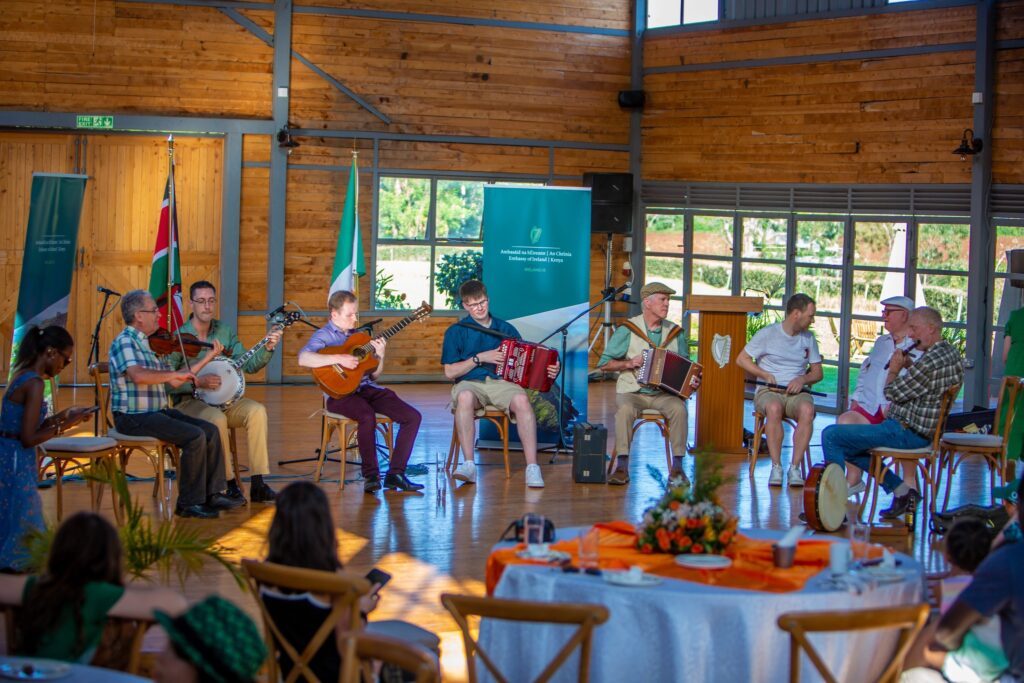
“In Ireland we’ve seen land that once acted like a sponge for water being drained,” he
said during the discussion. “That means rainwater moves faster into streams and towns,
which can lead to flooding. While the scale may differ, the challenge itself is something
many countries are facing.”
The minister also pointed to Ireland’s efforts to address energy poverty as an example of
how environmental policies can improve living conditions.
“Through government grants, low-income households receive financial support to
retrofit their homes with insulation, improved roofing, and energy-efficient windows.
These upgrades reduce heating costs while lowering overall energy consumption,” he
added.
For O’Sullivan, such initiatives demonstrate how governments can tackle climate
challenges while also addressing social inequalities. As a developed nation, he
acknowledged that Ireland has a responsibility to support climate solutions globally.
Civic education was another key theme of the Mukuru dialogue. Youth leaders asked
how Ireland encourages young people to participate actively in democratic processes
and hold leaders accountable. In response, the minister highlighted the role of youth
assemblies in Ireland—platforms where young citizens debate national issues and
present recommendations to policymakers.
According to O’Sullivan, these forums have become powerful channels for youth voices.
When young people challenge government policies, he said, leaders take notice because
of the political influence young voters can wield.
“Young people in Ireland are becoming increasingly active in using their democratic
vote,” he noted. “Politicians understand that if young voters feel disconnected, they will
choose someone else.”
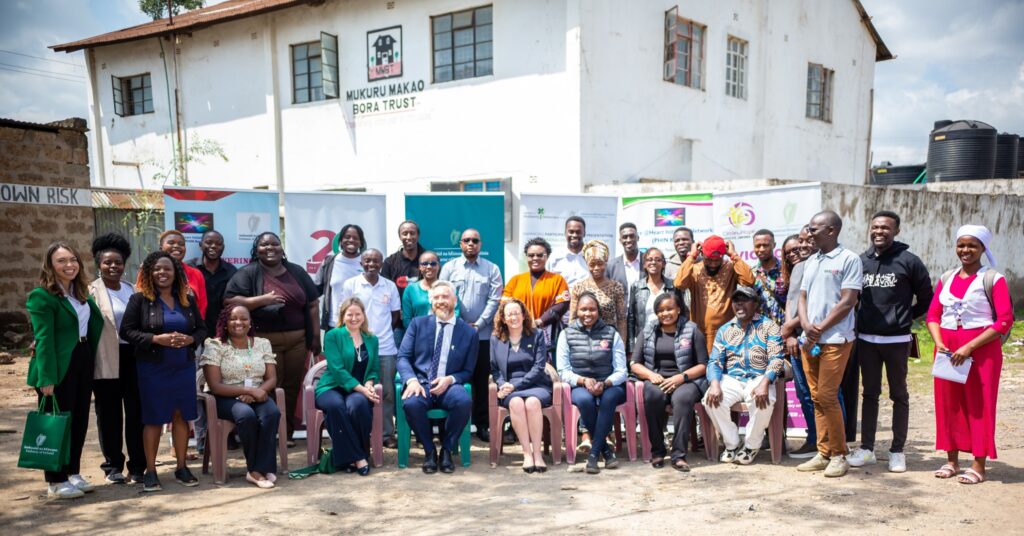
For Kenyan youth activists preparing for the country’s 2027 elections, the message
reinforced the importance of strengthening civic awareness and participation among
younger generations.
Beyond grassroots engagement, the minister’s visit also included discussions with senior
government officials on expanding economic ties between the two countries. A key
outcome was the announcement that Kenya and Ireland will begin negotiations on a
structured labor mobility framework that would allow Kenyan nurses and midwives to
work in Ireland.
The proposal was discussed with Musalia Mudavadi and reflects growing cooperation
between the two countries in addressing global workforce needs. Ireland’s healthcare
sector has experienced shortages of skilled professionals, while Kenya produces a
significant number of well-trained nurses and midwives each year.
Officials say the framework could create new employment opportunities for Kenyan
healthcare workers while strengthening professional exchanges between the two
nations.
Trade and investment also featured prominently in the minister’s discussions with
Kenyan leaders. While economic ties between Ireland and Kenya remain relatively
modest, both countries are exploring ways to expand business partnerships and
encourage greater investment.
O’Sullivan noted that Kenya’s strong education system and skilled workforce make it an
attractive destination for Irish companies seeking opportunities in Africa’s growing
markets. Increased investment, he suggested, could help create jobs while supporting
Kenya’s economic development.
However, he emphasized that investment must benefit local communities as well.
Ensuring that economic growth reaches disadvantaged areas such as Mukuru, he said,
will be essential to building equitable development.
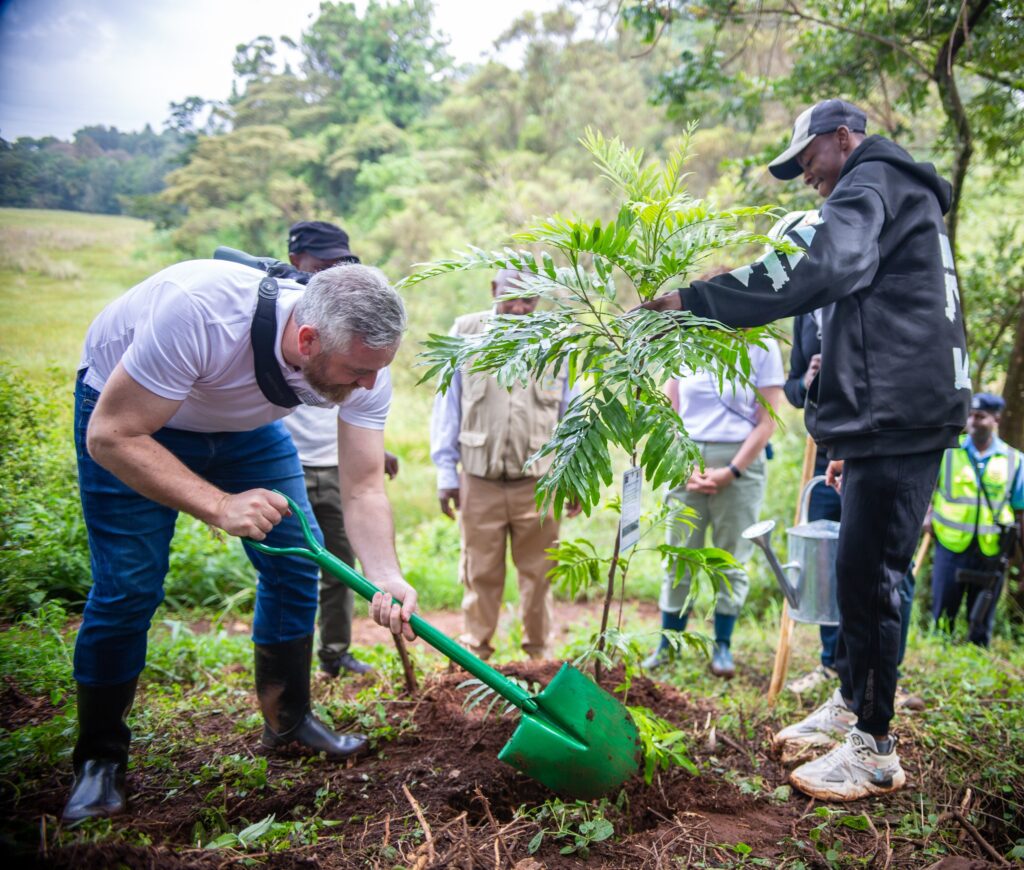
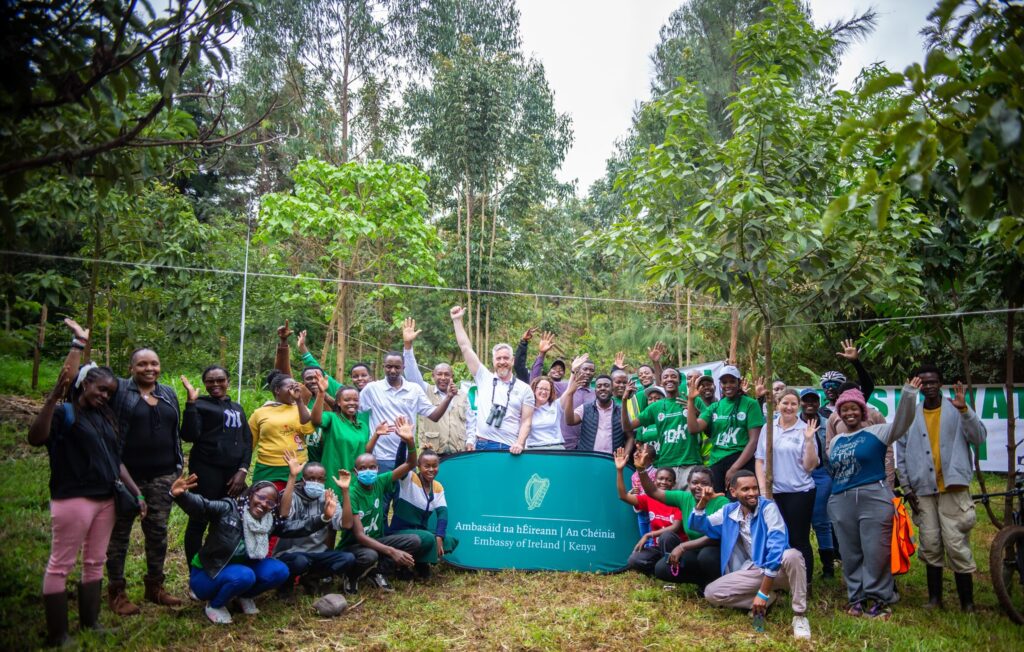
As part of his environmental portfolio, the minister also visited Ondiri Wetland in
Kikuyu Town, where he met community conservation groups and youth volunteers
working to restore the ecosystem. The wetland plays a critical role in water regulation,
biodiversity conservation, and carbon storage, making it an important site for climate
resilience.
The visit highlighted the global significance of wetlands and peatlands in addressing
climate change. These ecosystems store large amounts of carbon while also providing
habitats for wildlife and regulating water systems. O’Sullivan noted that Ireland’s own
peatlands share ecological similarities with wetlands such as Ondiri, offering
opportunities for cross-country learning on conservation strategies.