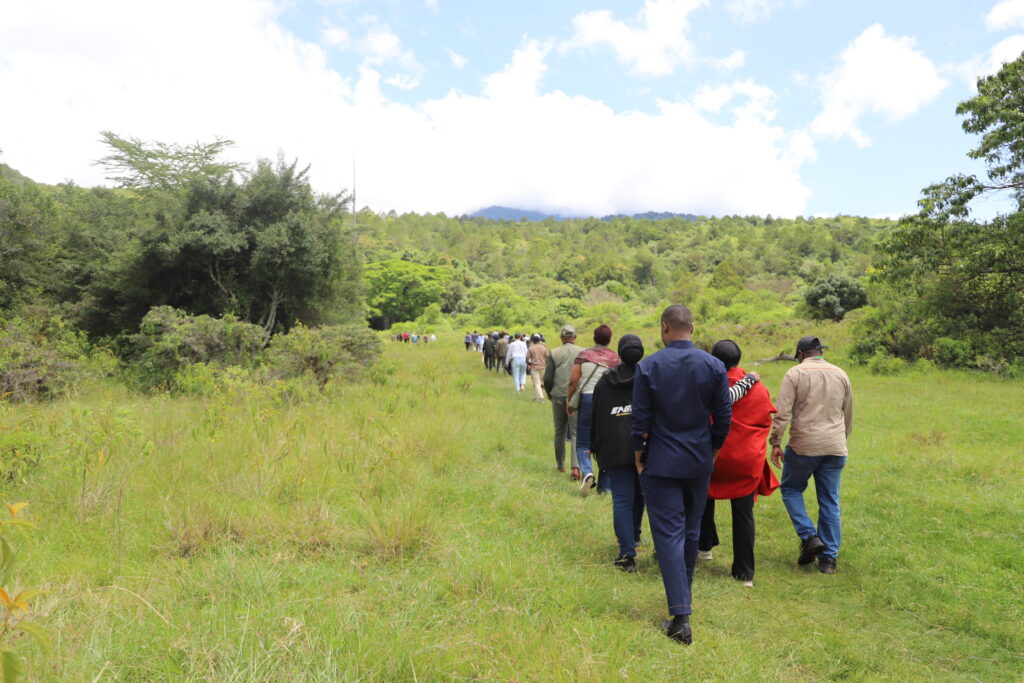
“Karibu sana! Welcome to Arusha National Park, home of Mount Meru. This is not just
any park—it’s a special place for climbers like you,” said our guide, Peter Exaudi with a
warm smile as our vehicle approached the entrance of Arusha National Park.
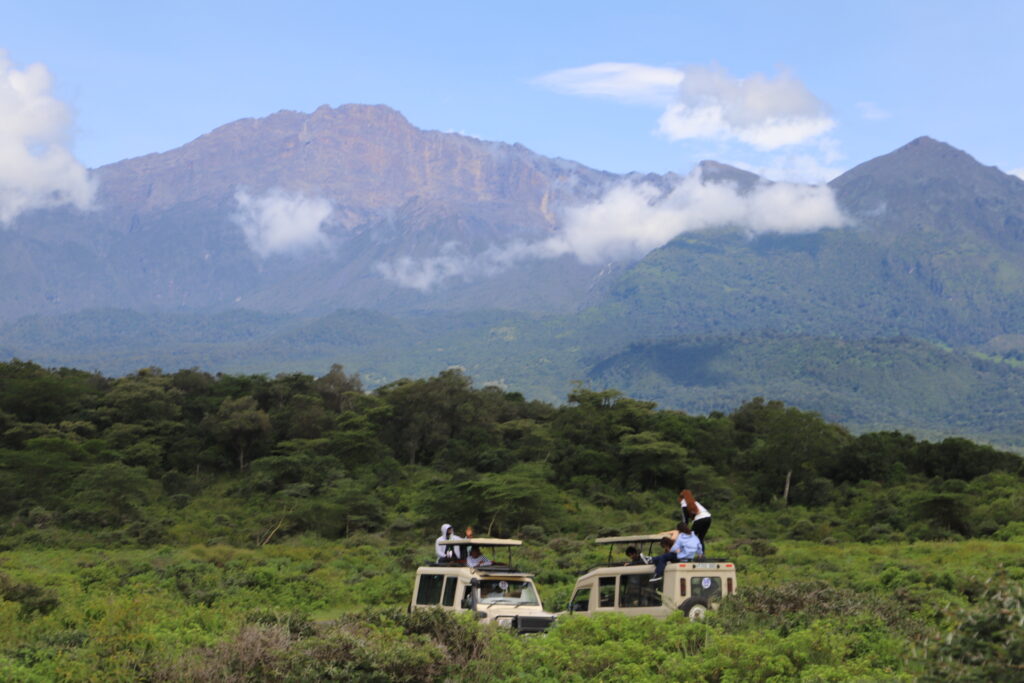
We craned our necks to catch a glimpse of Mount Meru, the fifth highest mountain in
Africa, as it came into view, its rugged peak dusted with clouds. Peter gestured toward
the mountain.
“You see that? That’s Mount Meru—4,566 meters high. Many trekkers come here to
climb it first. Why? Because it helps your body adjust to the altitude before taking on
Kilimanjaro.”
“It’s steep, scenic, and usually less crowded than Kilimanjaro,” he said. “And by
climbing it first, your body gets used to hiking at altitude, which makes your Kilimanjaro
experience safer and more successful.”
One of the Arusha National park’s most defining features is Mount Meru, a dormant
stratovolcano that rises to 4,566 meters. It stands in the background like a quiet
guardian, its peak often hidden in a wisp of cloud or glowing orange at sunset. I found
myself ever ready with my camera taking different shots of it at various backgrounds at
the park. Seeing Mount Meru from within the park feels intimate just like gazing at the
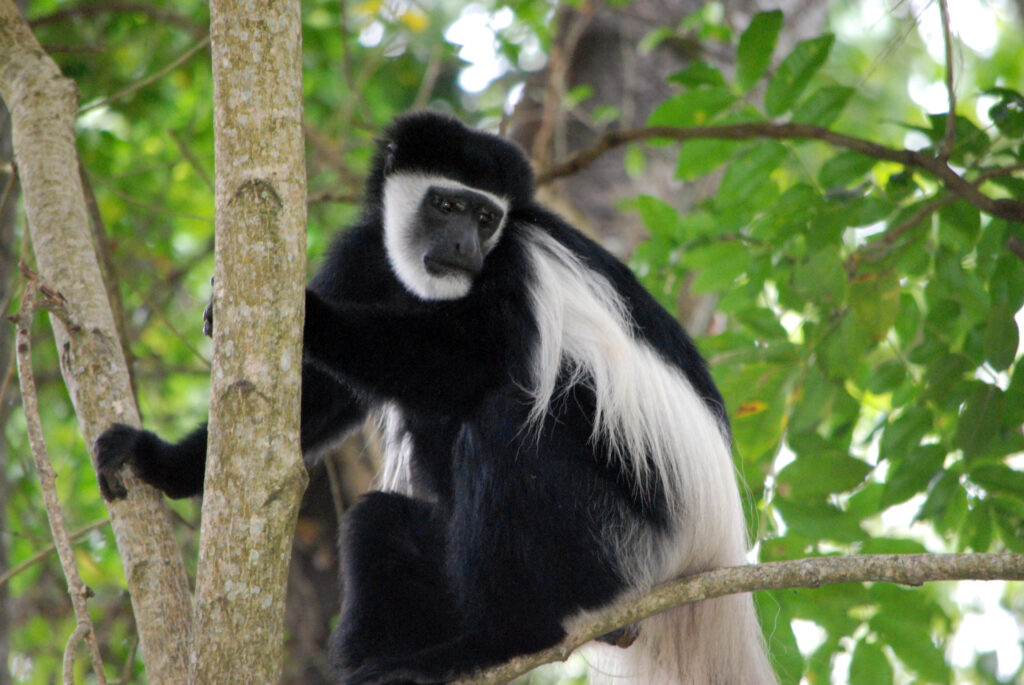
iconic gaze one has of Kilimanjaro at Amboseli. The mountain is home to black-and-
white colobus monkeys, bushbucks, duikers, and leopards, and offers hikers the rare
opportunity to trek through multiple vegetation zones in just a few days.
Even for visitors who don’t climb the mountain, the presence of Mount Meru creates a
striking backdrop. The park’s scenic beauty is undeniable—thick forests give way to
open glades, waterfalls tumble down rocky outcrops, and clouds swirl dramatically over
crater rims. Every corner offers a postcard-perfect view.
For travelers beginning or ending their Tanzanian safari, Arusha National Park is the
perfect introduction or soft landing, depending on what you prefer.
Nestled just 45 minutes from the bustling safari hub of Arusha town, Arusha National
Park is a sanctuary of quiet beauty, often overlooked in favor of its more famous
Tanzanian siblings like Serengeti or Tarangire. But for those who venture in, the reward
is immense. Unlike the open savannahs of most Tanzanian parks, Arusha National Park
is small and ecologically diverse. In a few hours, the landscape shifts dramatically—from
lush montane forest to open grasslands, sparkling lakes to alpine highlands. The park
wraps around Mount Meru’s slopes, with highland trails that climb through fig-draped
forests and open onto craters and waterfalls. A walk here feels less like a game drive and
more like wandering through a forgotten Eden.
Another difference is unlike the other parks, Arusha National Park is not a “Big Five”
destination; lions and leopards are rare and elusive. However, as you drive along, you
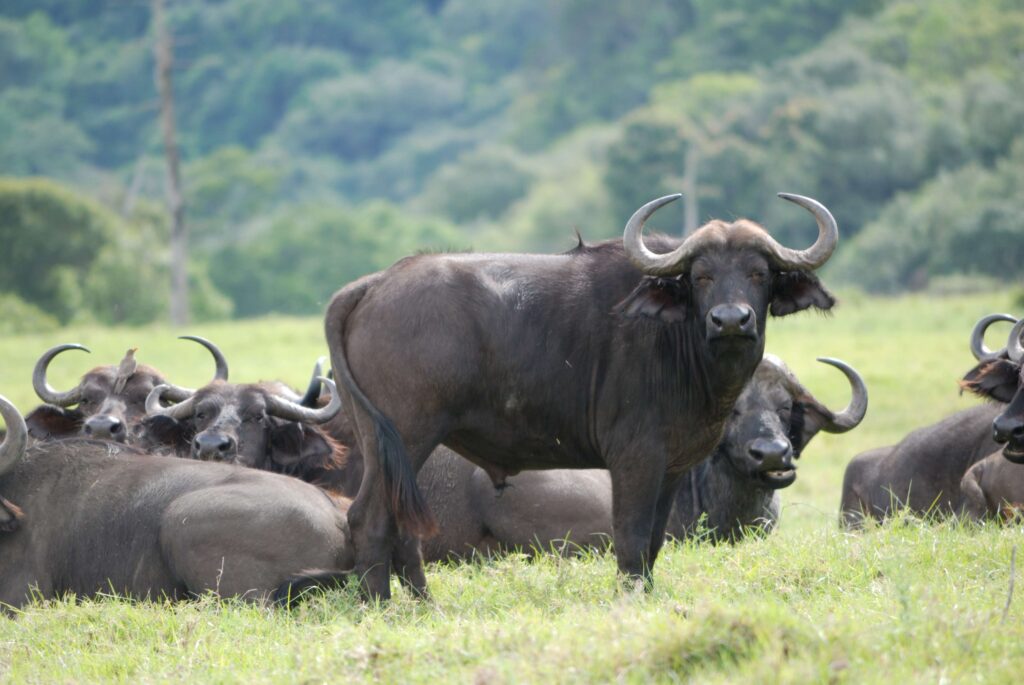
might come across herds of buffalo lounging in the grasslands of the Ngurdoto Crater,
flamingos feeding in the Momella Lakes, or the endangered red duiker tiptoeing through
underbrush. Elephants sometimes roam in the deeper forest, and hippos wallow in
shallow pools.
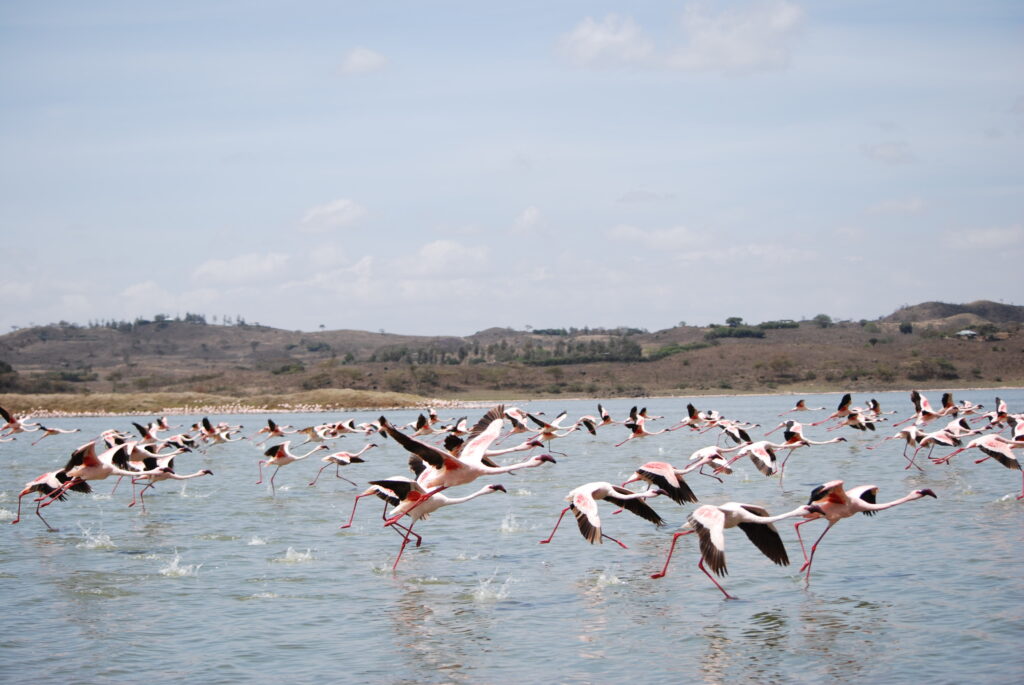
We stopped at one of the Momella Lakes, a chain of seven alkaline lakes in the northeast
corner of the park, offer a pastel-colored contrast to the forested slopes.
Unlike many of Tanzania’s famous lakes, the Momella Lakes are not connected by rivers.
These are shallow, alkaline lakes formed from volcanic activity, and while they’re too
salty for most fish, they are a birdwatcher’s paradise. Flamingos—both greater and
lesser—gather in pink flocks, moving in slow, synchronized ripples across the surface in
the month of June. Sacred ibis, herons, kingfishers, and African fish eagles fill the air
with their calls and flashes of color. It is said that more than 400 bird species have been
recorded here, making it a paradise for birdwatchers and nature lovers.
We drove through the Ngurdoto Crater in Arusha National Park and it felt like entering
a hidden, ancient world — one carved by nature and carefully guarded by time.
It’s a deep, lush bowl nearly three kilometers wide which spreads out below like a secret
garden. Its steep walls are covered in dense green vegetation, and the flat, marshy floor
is a mosaic of swamps, grasses, and forest patches. From the rim, it’s like looking into a
living amphitheater, where nature is the only performer.
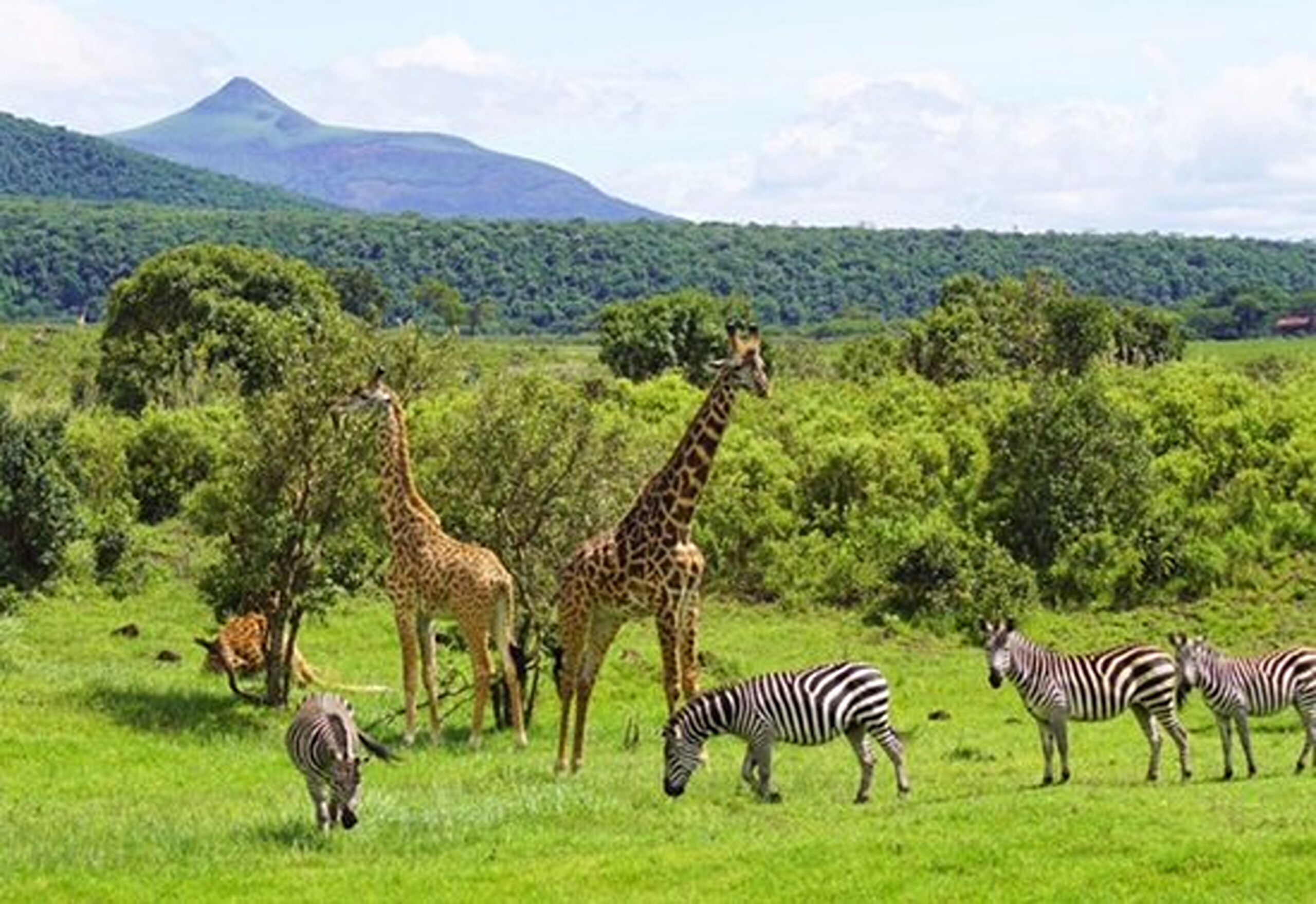
Down below, we spotted warthogs trotting through the grass with tails raised like little
flags. We also saw a tower of giraffes stretching their long necks as they moved silently
in the crater and we never missed the memory making moment. Compared to
Ngorongoro’s vast and open crater, Ngurdoto is quieter, more intimate. While you can’t
descend into it, the view from the rim is stunning.
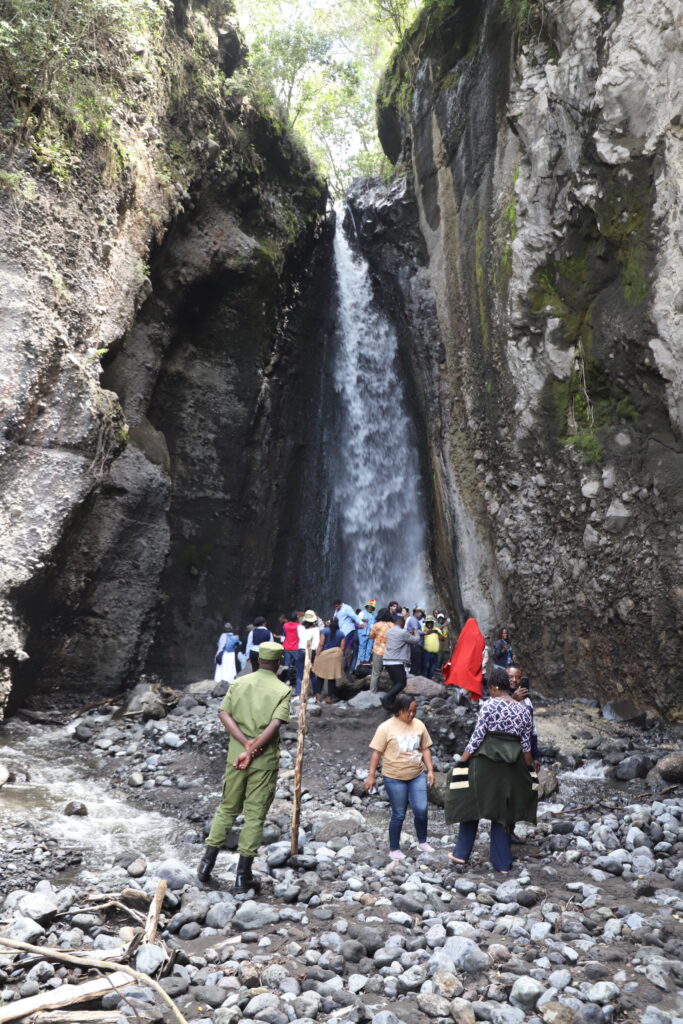
We descended down the vehicle and walked through the quiet, mossy forest to catch a
glimpse of Tululusia Waterfall, a 28-meter-high waterfall, one of the park’s hidden
gems.
We finished the 4-hour game drive and explored the vibrant city of Arusha for a while
before retiring to the Little Home in Morombo, Arusha which hosted me during the trip.
Small hotels like Little Home are ideal for travelers who want a quieter, more grounded
experience in Arusha. It’s 6km from Arusha town, where markets buzz and tour
operators line the streets, yet it feels removed enough to let you breathe and unwind.
You can plan your safari excursions to Arusha National Park or Mount Meru during theday,
and return in the evening to a calm, welcoming space that feels like home. Being
that Arusha is the tourist capital where all the safari dreams begin, this transit city
serves as the gate way to some of the iconic parks like Tarangire, Lake Manyara,
Serengeti and Ngorongoro and the hotel is perfectly situated just off the Morombo
bypass making it an ideal and cozy base for travelers heading onwards.