
Arriving at the National Museum of Ethiopia in Addis Ababa is like stepping into the
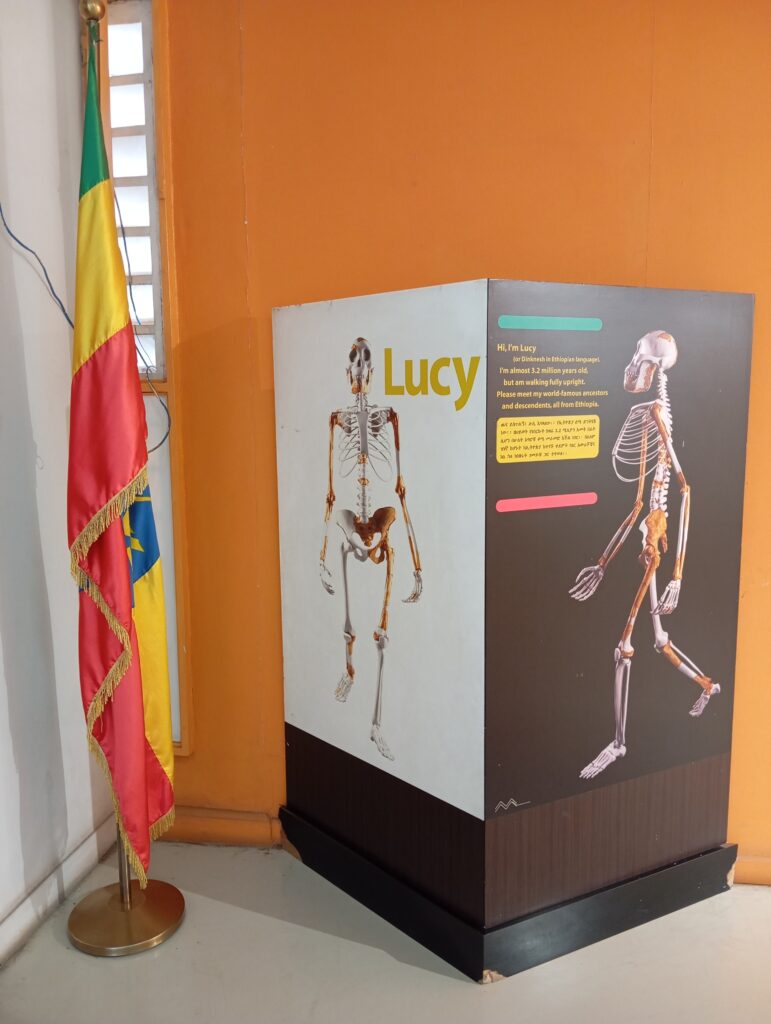
very dawn of humanity. Among its most celebrated exhibits is Lucy, the 3.2-million-
year-old Australopithecus afarensis, whose discovery in the Afar Triangle in 1974
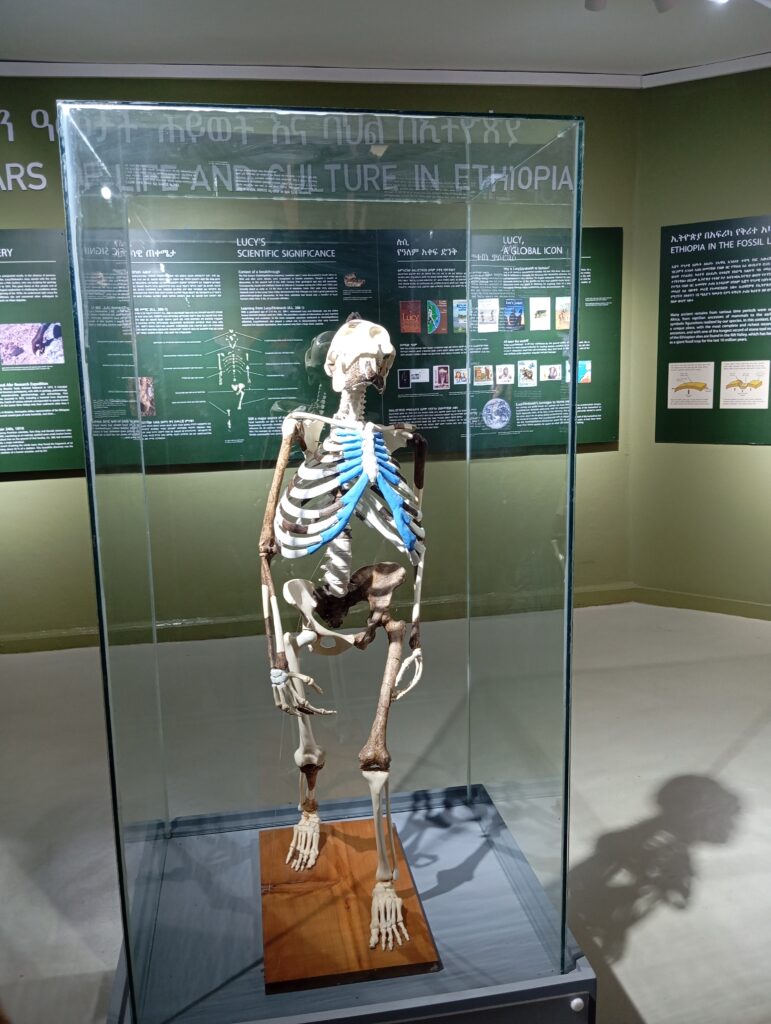
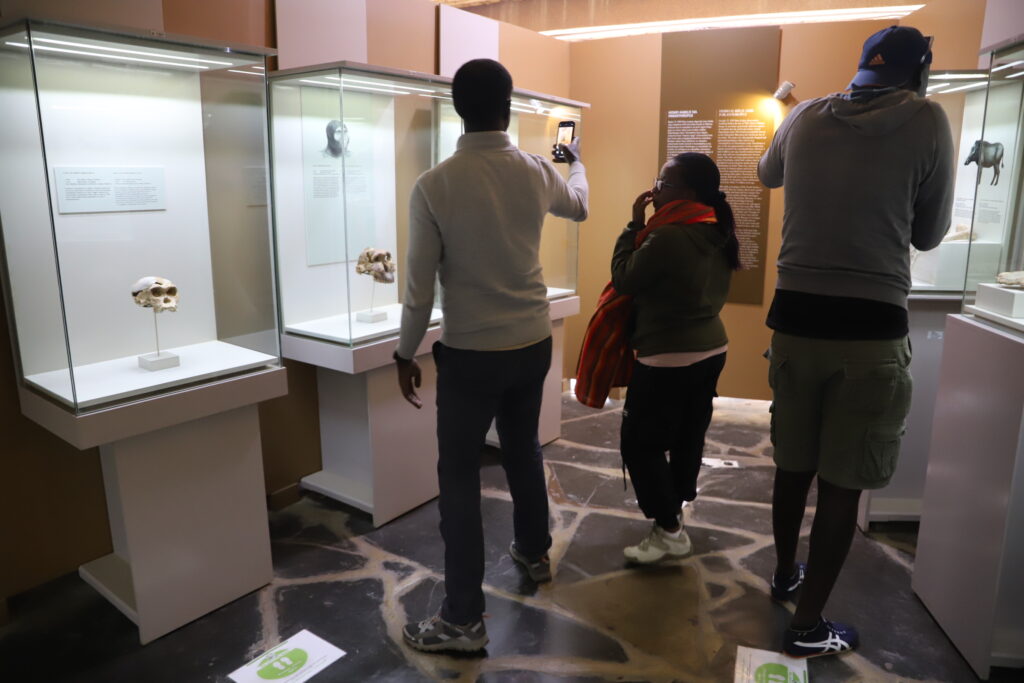
revolutionized our understanding of early human evolution. Her replica laid inside,
beneath soft lights and glass cases, small, fragile, and unmistakably human. Discovered
in 1974 in the Afar Triangle and dating back 3.2 million years, Lucy is not just Ethiopia’s
most famous fossil; she is one of the strongest arguments for why the country lays claim
to being the cradle of humankind. Around her are other discoveries that deepen that
case: early hominin jaws, teeth, and skeletal fragments that trace the evolution of
upright walking, survival, and adaptation long before the emergence of modern humans.
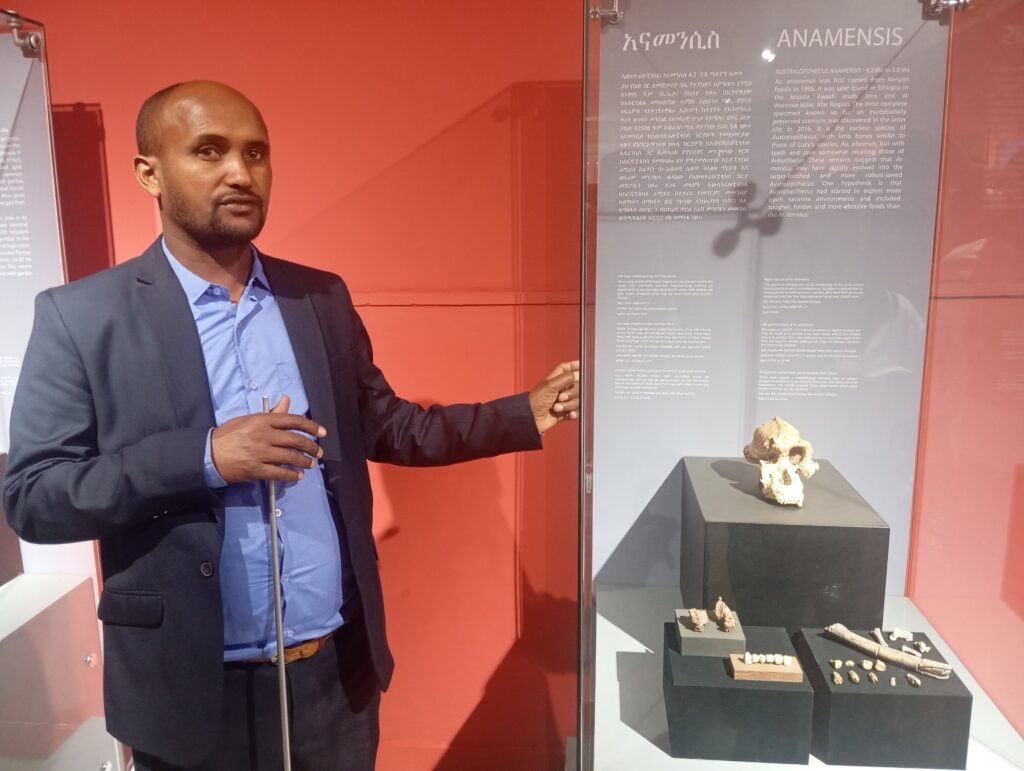
The museum also showcases other critical fossils, including Ardipithecus ramidus and
Australopithecus garhi, along with stone tools and skeletal reconstructions that paint a
vivid picture of life millions of years ago.
“These discoveries highlight Ethiopia as one of the richest sites for early human fossils,
offering evidence of bipedalism, tool use, and adaptation long before the emergence of
Homo species, said our museum guide as we stopped to learn about one more fossil
replica.
While Ethiopia alone does not account for all known human species, its fossil record is
undeniably central to the story of humanity, anchoring its claim as a pivotal cradle of
mankind and a key chapter in the evolutionary saga that unfolded across East Africa.
Ethiopia’s fossil record stretches across millions of years, offering scientists some of the
earliest evidence of bipedalism and human ancestry anywhere in the world. The Afar
Depression alone has yielded multiple hominin species, making it a cornerstone of
paleoanthropological research. Standing in the museum, it becomes clear that Ethiopia
is not just telling one story, but many each fossil another chapter in humanity’s long
beginning.
Yet as compelling as Ethiopia’s claim is, it is not the only one. Travel further south from
Ethiopia and Kenya too lays the claim to be the “Cradle of Humankind” turning this into
a shared East African narrative rather than a single national title.
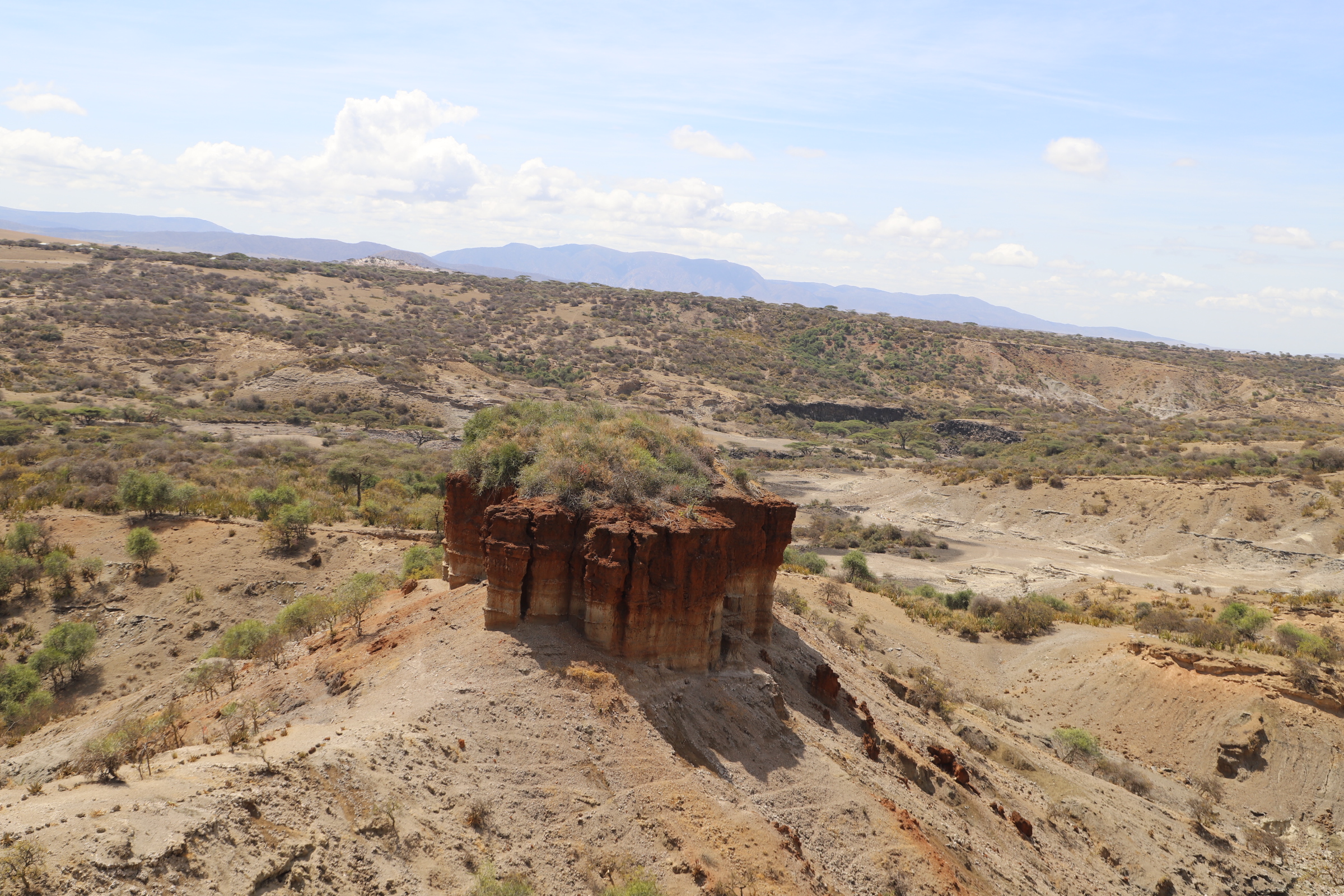
Olduvai Gorge, often called the “Grand Canyon of Human Evolution,” is one of the most
important paleoanthropological sites on Earth. In the 1950s, Mary and Louis Leakey
discovered fossils of Homo habilis here, a species dating back roughly two million years.
Often described as the first true members of the genus Homo, Homo habilis is
associated with the Oldowan stone tools—simple but revolutionary implements that
marked a turning point in human history.
Once, during my visit in Tanzania, I toured this place and saw the tools made by Homo
habilis and learnt from my tour guide that the tools were not just for survival but also
revealed cognitive shifts like planning, adaptation, and problem-solving. It becomes
easy to imagine early humans navigating this environment, shaping stones, and altering
their relationship with nature. Tanzania’s claim to the cradle rests firmly on this
moment when technology entered the human story.
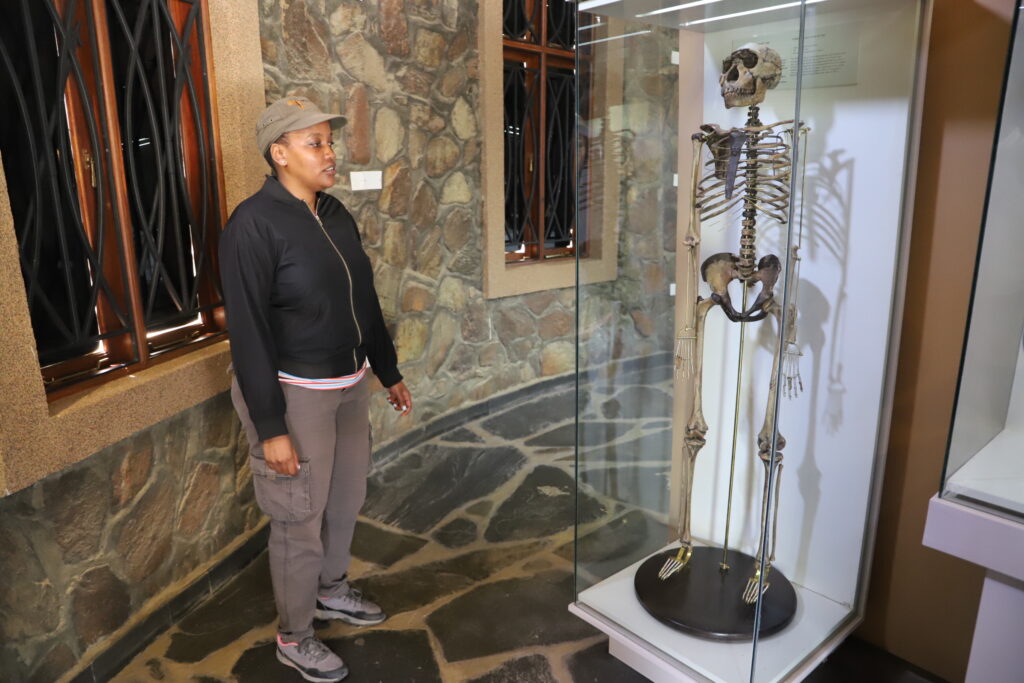
Kenya’s Turkana Basin offers another crucial chapter. The discovery of the nearly
complete Homo erectus skeleton known as Turkana Boy in 1984 transformed scientific
understanding of early human biology. Dating to about 1.6 million years ago, Turkana
Boy revealed a tall, long-limbed body adapted for long-distance walking and
endurance—features strikingly similar to modern humans.
Seen today at the National Museums of Kenya, Turkana Boy is more than a fossil but
evidence of how early humans matured, moved, and possibly migrated out of Africa.
Kenya’s role in the cradle debate lies in illuminating how humans evolved physically and
behaviorally, transitioning from earlier hominins into global travelers capable of
shaping the world beyond Africa.
Paleoanthropologists are careful to avoid crowning a single winner. Instead, they
describe East Africa as a mosaic of evolutionary experiments, where different species
emerged, adapted, and sometimes disappeared. Ethiopia reveals the earliest walkers,
Tanzania captures the dawn of tool-making, and Kenya documents the rise of human-
like bodies and movement. Together, these sites form a continuous narrative rather than
competing claims.
Visiting all these museums made me understand the critical role they play in translating
this deep past for the public. Olduvai’s site museum contextualizes fossils within the
land itself, while Addis Ababa’s National Museum anchors Ethiopia’s role through Lucy
and related finds. In Nairobi, Turkana Boy bridges science and storytelling, helping
visitors grasp the physical realities of early human life.
So where is the cradle of humankind? I would like to say Kenya, because I’m biased but
the honest answer might probably be that it spans borders. It lies in Tanzania’s gorges,
Kenya’s deserts, and Ethiopia’s valleys written in fossils, stone tools, and ancient
footprints.
