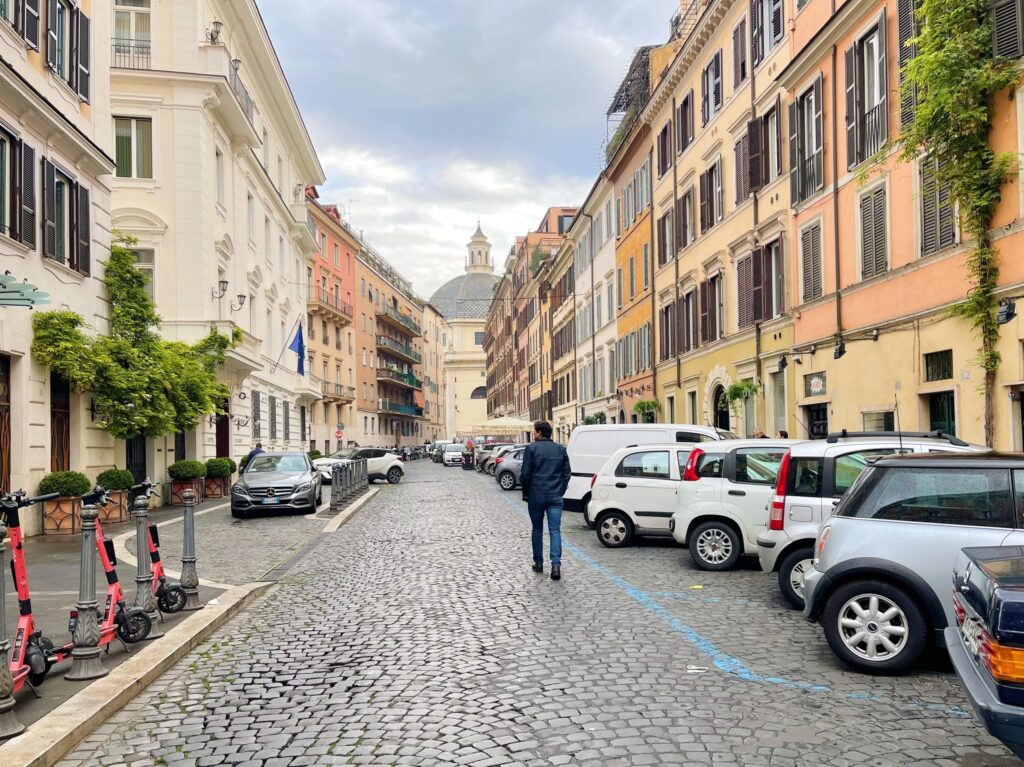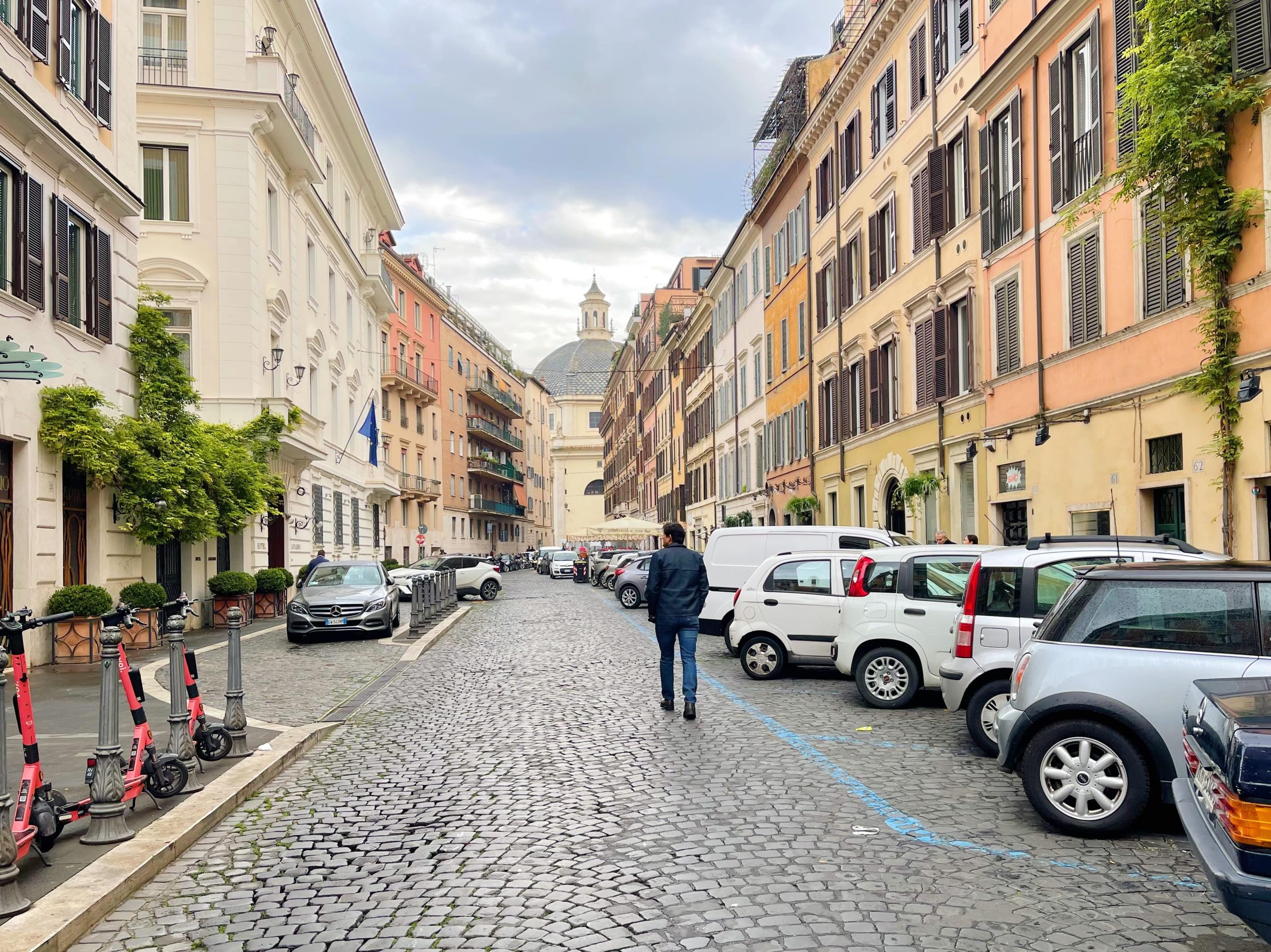
Traveling to Rome is like stepping into a vast, open-air museum — a city where every
street, square, and corner breathes history. From the grandeur of the Colosseum to the
quiet grace of ancient piazzas, Rome tells its story not through words but through stone.
Nowhere else does the past feel as alive, or as present, as it does in the Eternal City,
where statues, monuments, and fountains are more than mere relics, they are
storytellers of empire, faith, and art.
“Rome doesn’t preserve history; it lives with it,” says Lucia Ferraro, an Italian cultural
guide who has spent 15 years leading walking tours through the city’s ancient heart.
“Every monument here still has a role in our lives. We pass the Colosseum like you’d
pass a market or a church.”
At the heart of Rome’s cultural preservation lies its remarkable relationship with
sculpture and architecture. Walking through the city, one quickly realizes that Rome has
mastered the art of keeping its past visible, allowing travelers to experience history in
three dimensions. Statues and ruins are not tucked away behind glass or confined to
museums; they stand proudly in public spaces, shaping the rhythm of daily life. Whether
it’s the mighty figure of Emperor Augustus in marble, the serene face of a saint in
Bernini’s chapel, or the silent strength of a Roman soldier cast in bronze, each piece
holds a fragment of time carefully protected, restored, and displayed for all to see.
Few landmarks capture this spirit like the Colosseum, an enduring symbol of Roman
ingenuity and endurance. Once the grand stage for gladiators and emperors, the
Colosseum still dominates the skyline as a reminder of the empire’s power. Nearby, the
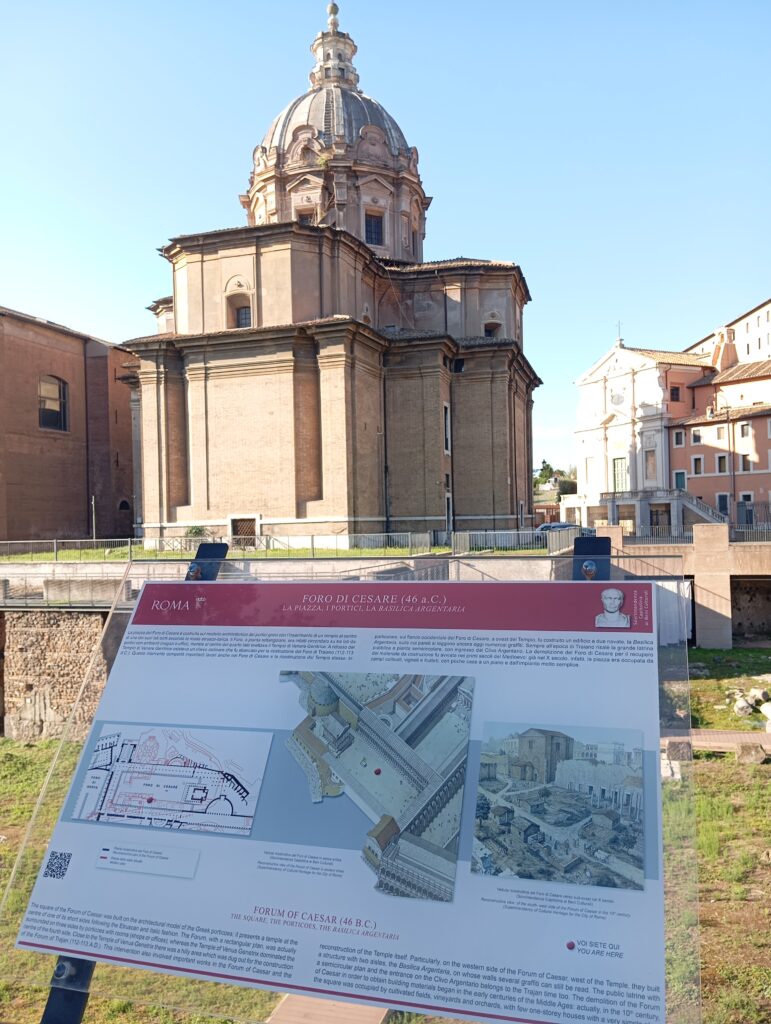
Roman Forum and the Forum of Caesar offer a powerful glimpse into the seat of Roman
rule. Standing among the marble columns, visitors can almost hear the debates of
senators and orators who once shaped the destiny of millions. Here, Julius Caesar
himself is remembered not just as a historical figure, but as a tangible presence — his
statue standing watch where his body was once laid to rest, immortalized in stone and
memory.
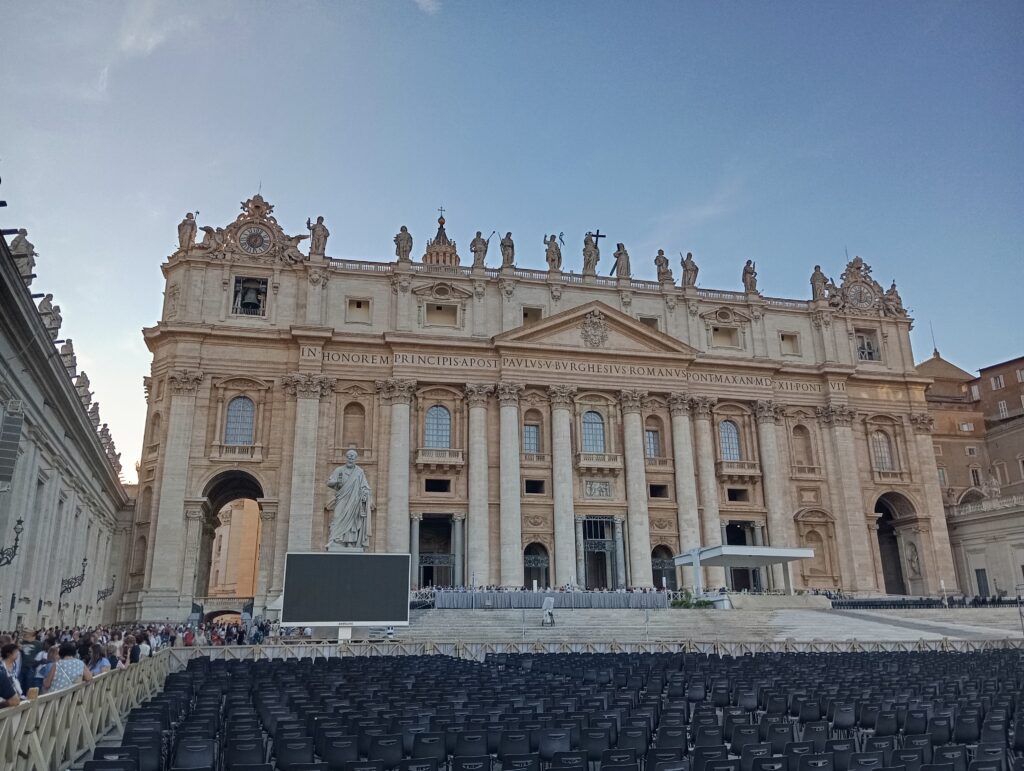
“Every stone here tells a story,” adds Lucia. “When we restore a statue, we are not
polishing marble; we are reawakening voices from two thousand years ago.”
A short walk from the Forum leads to Trajan’s Markets, one of the world’s oldest
commercial complexes. Once bustling with traders and merchants, it now serves as a
museum that narrates Roman commerce and art. The statues and reliefs preserved here
show how even trade was adorned with creativity, where business met beauty.
The devotion to sculptural beauty continues in Rome’s public fountains, none more
iconic than the Trevi Fountain. Designed by Nicola Salvi in the 18th century, this
Baroque masterpiece blends myth, movement, and marble in one breathtaking
composition. Its central figure, Oceanus, rises amidst cascading water, symbolizing the
life-giving force of Rome’s aqueducts. Visitors toss coins into the fountain, promising
their return to Rome, a ritual that has endured for centuries.
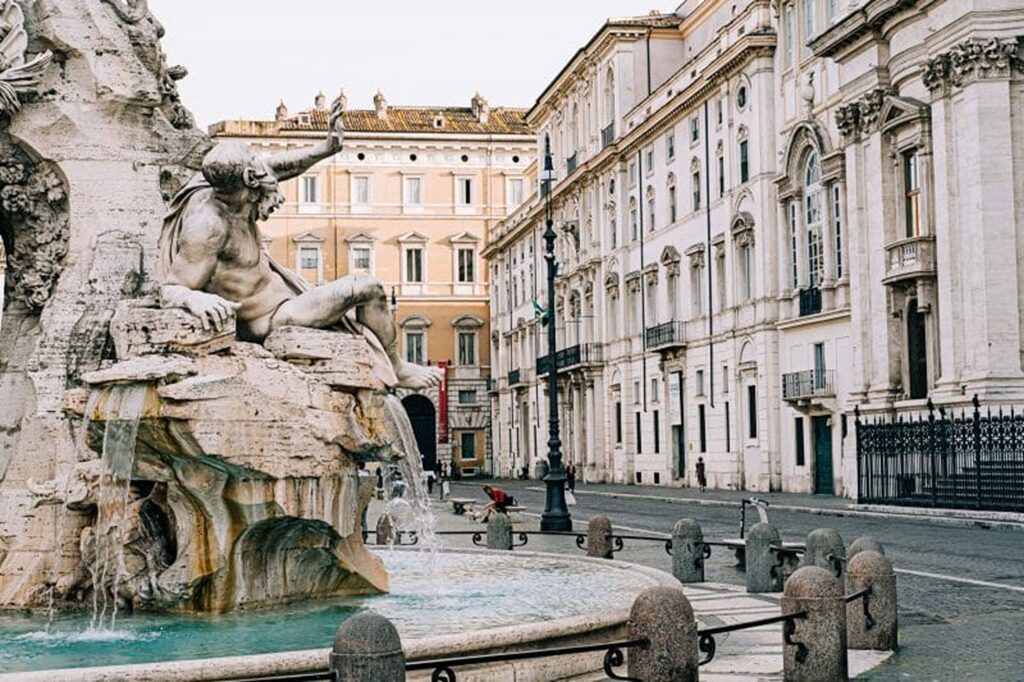
Piazza Navona, once an ancient stadium, now hosts fountains adorned with
mythological sculptures, none more famous than Bernini’s Fountain of the Four Rivers,
where marble figures represent the Nile, Ganges, Danube, and Rio de la Plata. Each
statue is a geographic narrative linking Rome to the broader world. At Capitoline Hill,
the equestrian statue of Marcus Aurelius stands as a symbol of wisdom. It survived
centuries, saved because early Christians mistook it for Emperor Constantine, an
accident of faith that ensured its preservation.
Modern Rome embraces technology to protect its treasures. The city’s heritage authority
oversees restoration using digital mapping, laser cleaning, and protective coatings.
These innovations ensure that marble figures eroded by time regain their brilliance. The
Fendi for Fountains initiative, which restored the Trevi Fountain, exemplifies how
private companies and government can collaborate to safeguard art.
Yet preservation comes with challenges, pollution, vandalism, and the weight of millions
of tourists. Despite all these, Rome’s philosophy remains unwavering: to live beside its
past, not behind it. Every restoration is done with reverence, maintaining authenticity
while ensuring relevance.
There are valuable lessons here for Kenya, a country rich with historical figures and
heritage sites. First, Kenya can invest in heritage-led urban design integrating statues
and historical markers into public spaces. Second, partnerships between government,
artists, and private sponsors can fund consistent restoration and storytelling, just as
Rome’s Fendi model has done.