As urbanization accelerates across Kenya, reshaping landscapes and lifestyles, cultural
centers are emerging as vital spaces for preserving identity, memory and heritage. Rapid
development, migration and modern influences have increasingly distanced younger
generations from traditional ways of life, placing languages, customs and oral histories
at risk of disappearing. In this shifting environment, community-led cultural centers are
becoming critical anchors, safeguarding both tangible artefacts and intangible
knowledge systems that define who people are and where they come from.
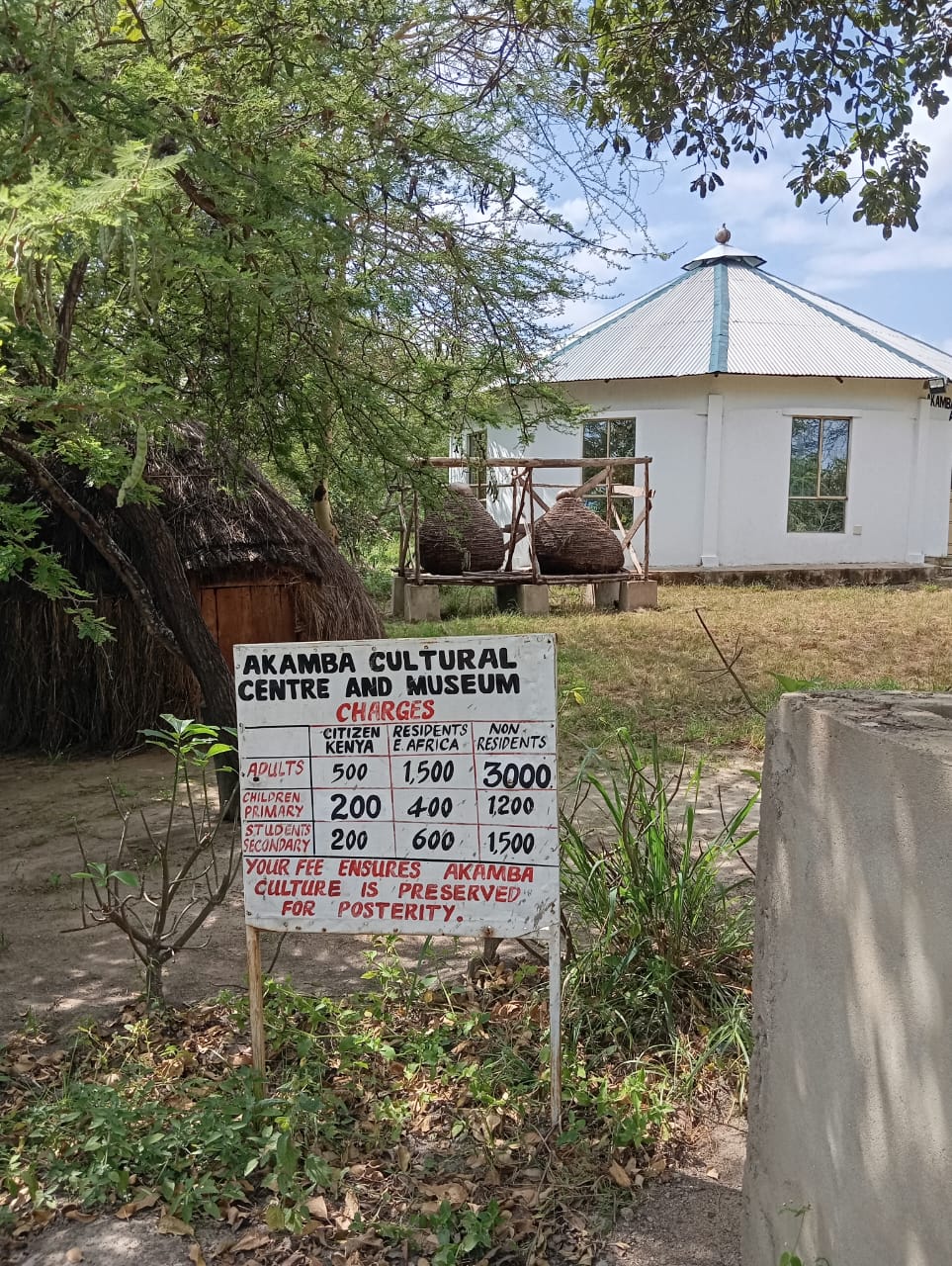
It is within this context that the Akamba Cultural Centre in Uvilisyani village stands out.
Located about 7 kilometres from Emali town in Makueni County, the center is quietly
preserving the heritage of the Akamba people while positioning itself as an emerging
cultural tourism destination.
Approaching the centre, visitors are immediately drawn into a carefully curated cultural
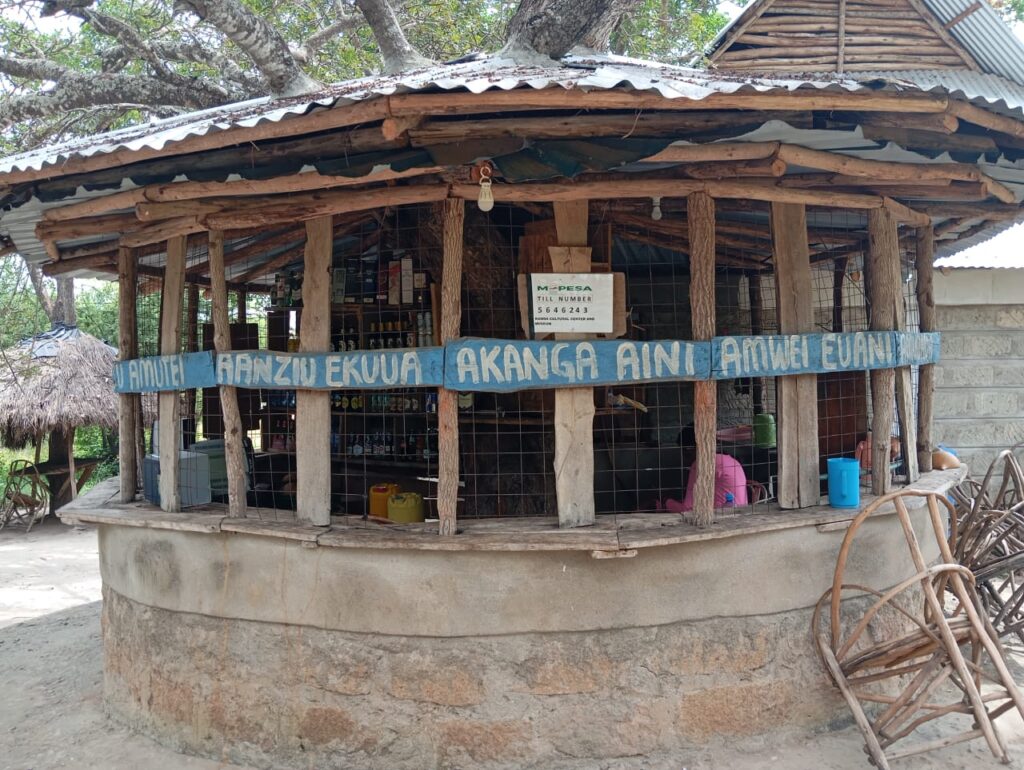
landscape. Indigenous trees line the compound, each labelled with their Akamba names,
a simple yet powerful act of preserving language and knowledge. Inside, the centre
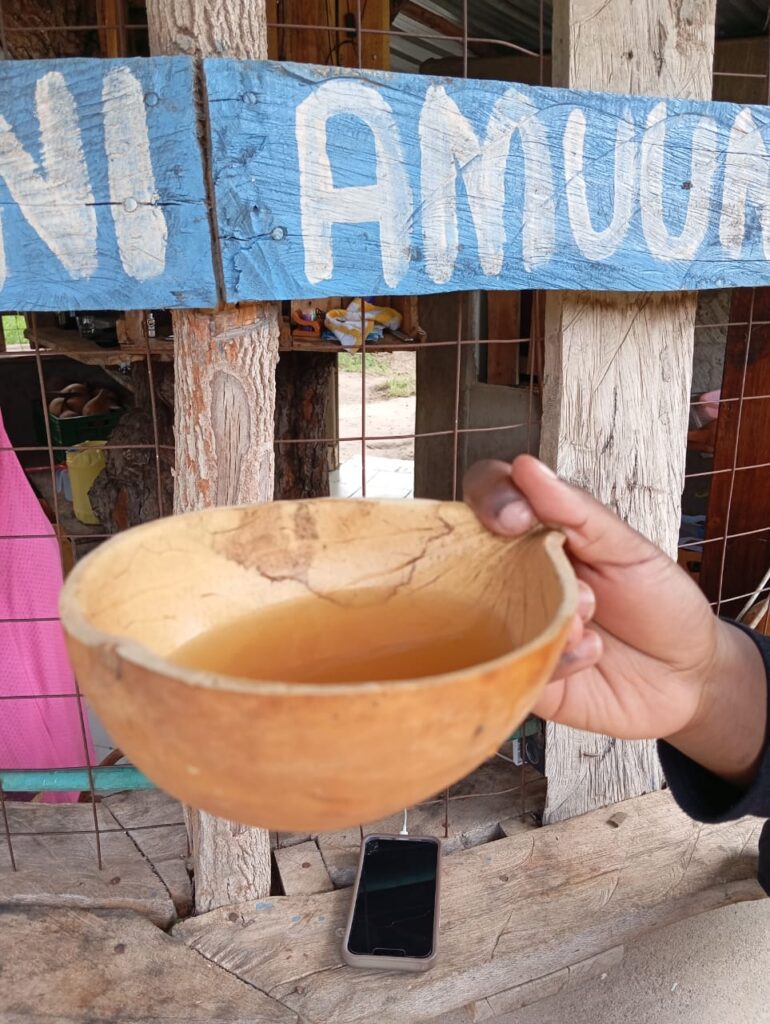
unfolds into a mix of tradition and hospitality. A bar that doubles as a restaurant serves
both modern beverages and traditional offerings, including kaluvu, a locally fermented
brew. The walls are adorned with the names of Akamba clans, grounding the space in
lineage and community identity.
At the heart of the Akamba Cultural Centre is its founder, Julius Mutuku, whose vision
has driven the project for nearly three decades. What began in 1995 as a personal
initiative to collect cultural artefacts which are quickly disappearing, has evolved into a
comprehensive preservation project.
“Through my own savings and initiative, I have collected over 400 artefacts and
documented them. I have also collected intangible heritage too like collecting proverbs
and folktales.
Stepping into the center’s herbarium is like entering a living library of indigenous
knowledge. Spread across a 12-acre landscape, the space is rich with carefully preserved
and cultivated plants, each holding centuries of healing wisdom passed down through
generations of the Akamba people. More than 600 herbs have been identified,
categorized and documented, their uses ranging from treating common ailments to
addressing more complex conditions. As you walk through the grounds, the air carries
the subtle scent of leaves, roots and bark with each plant labelled, each story intact.
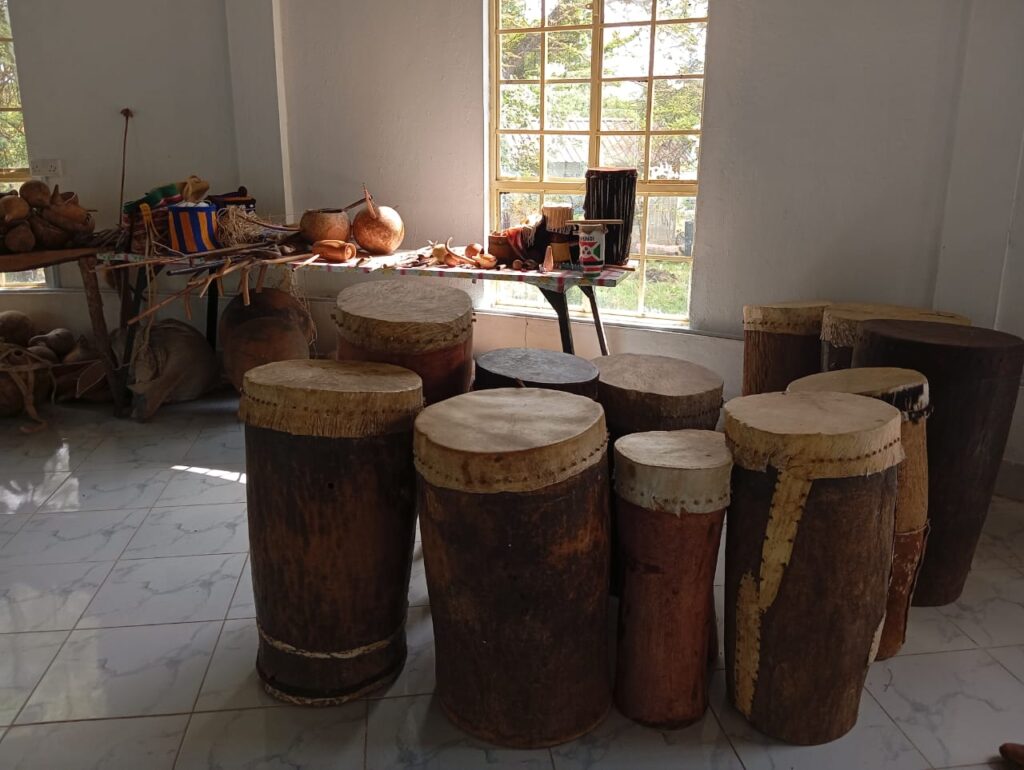
One of the center’s most significant additions is its museum, which houses an extensive
collection of artefacts that trace the history and way of life of the Akamba community.
From traditional farming tools, hunting implements and intricately carved wooden
stools to calabashes used for storing milk and brewing kaluvu, the collection reflects
everyday life in vivid detail. There are also stringed musical instruments, beaded
adornments, ceremonial staffs and gourds, as well as household items such as grinding
stones and woven baskets once central to domestic life. Together, these objects offer a
layered narrative of how the community has lived, adapted and evolved over time,
preserving both function and meaning across generations.
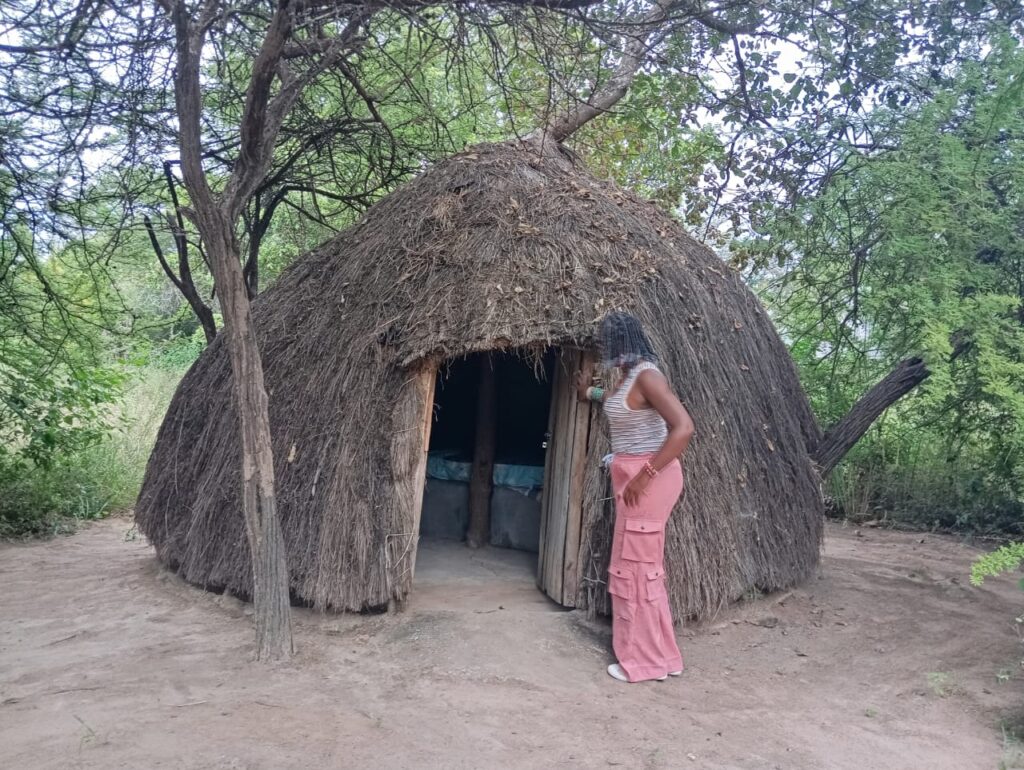
The center also has a section that showcases the Kamba traditional grass-thatched huts
known as isukuu. Stepping inside one of the isukuu feels like slipping into a quieter,
more grounded rhythm of life. The structure is simple yet intentional with low, rounded
walls, a neatly thatched roof, and an earthy interior that stays cool even under the
Makueni sun. Inside, the space is modestly furnished, often with woven mats, wooden
stools and carefully arranged bedding that reflects traditional living. Light filters in
softly through small openings, and the scent of grass and earth lingers in the air.
It was interesting to learn about the traditional Kamba
The Akamba Cultural Centre is also positioning itself within Kenya’s tourism ecosystem.
Its location between Amboseli National Park and Tsavo West National Park makes it an
ideal stopover for travelers exploring the southern circuit.
Visitors can break their journey to engage with culture, rather than simply passing
through. For those seeking a deeper experience, the center offers overnight stays in
traditional grass-thatched huts known as isukuu, allowing guests to immerse themselves
in a more nature-connected way of life.
However, the work is not without challenges. Preserving culture in a rapidly changing
world requires continuous effort, resources and community engagement. There is also
the delicate balance of presenting culture for tourism without diluting its authenticity.
“So far schools have shown a lot of interest and we have put the artefacts in a tent where
they can see them but the weather is degrading them they need to be housed and
protected from elements of weather. When this is done this will be for posterity it will be
for all humanity,” shared Mutuku.
The good news is that the project has recently gained international recognition as it was
among seven initiatives worldwide awarded funding by the British Council to support
the collection, documentation and preservation of cultural heritage.
If you complete the trip visit Makindu Sikh Temple, built in 1926 by Sikh workers
during the construction of the railway from Mombasa towards Uganda.