
Olive oil is steadily finding its way into Kenyan kitchens, restaurant menus, and
supermarket shelves, driven by rising health awareness, changing urban lifestyles,
and growing exposure to international cuisines. Once considered a niche product for
expatriates and high-end hotels, olive oil is increasingly embraced by middle- and
upper-income Kenyans seeking healthier cooking alternatives, a shift that is
reshaping the country’s edible oils market and opening new trade corridors with
North Africa.
Kenya produces very little olive oil locally, meaning the market is almost entirely
import-driven. Traditionally, most imports came from Mediterranean powerhouses
such as Spain, Italy, and Greece. But recent trade data points to a significant new
player: Tunisia.
Statistics from the embassy of Tunisia indicate that in 2025, Kenya imported 215.8
tonnes of Tunisian olive oil, making it the largest importer of Tunisian olive oil in
Africa and the 11th globally. The figures underscore Kenya’s rapid rise as a strategic
market for Tunisian producers and reflect a broader shift in how Kenyans are
consuming and thinking about food.
Urbanization has played a central role in olive oil’s growing appeal. With more
Kenyans exposed to global food trends through travel, social media, and dining
culture, Mediterranean-style diets have gained traction. Olive oil is now commonly
used for salads, light sautéing, and drizzling over cooked dishes, especially among
consumers focused on heart health and wellness.
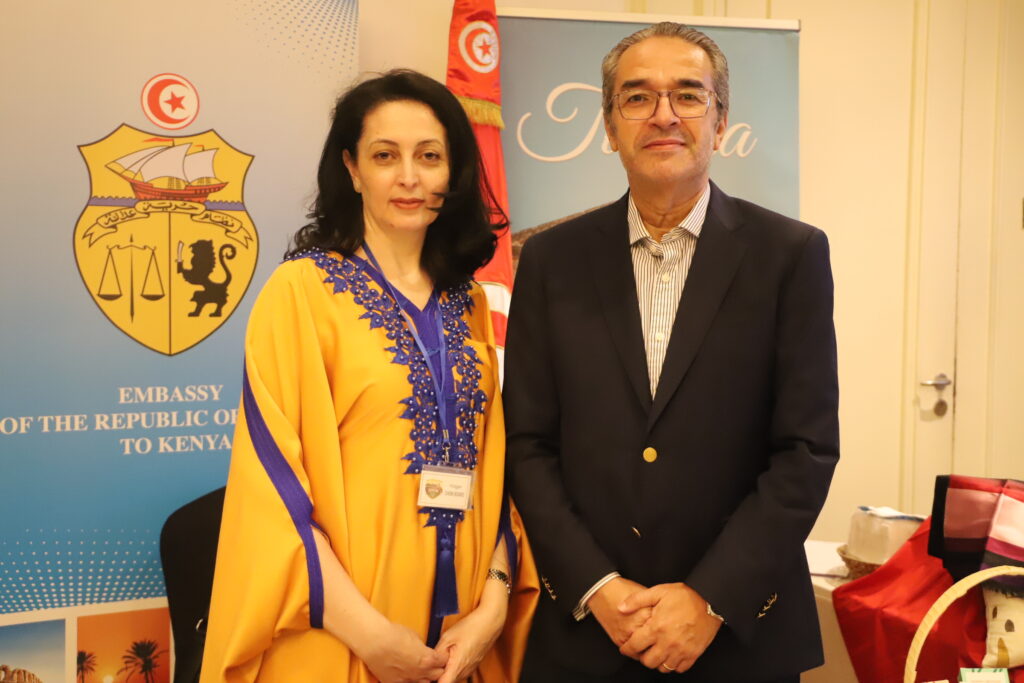
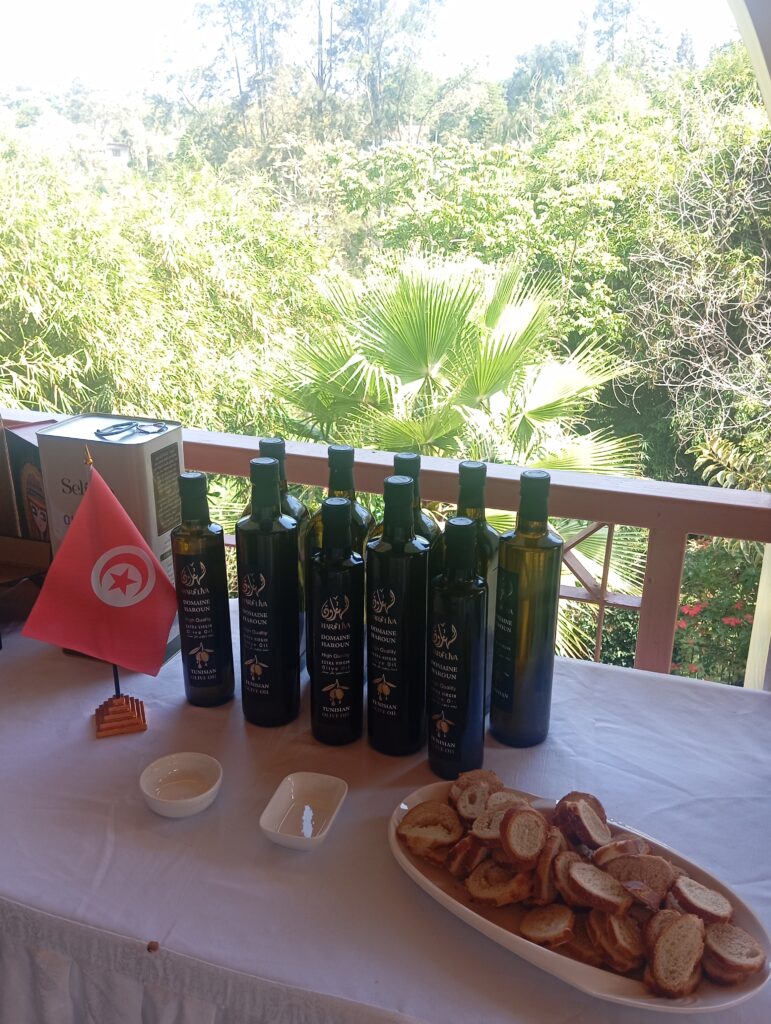
We interviewed H.E. Anouar Ben Youssef, Tunisia’s Ambassador to Kenya on this
during the during the second edition of Tunisian olives and Olive oil day promotion
day at the embassy.
What gaps in Kenya’s edible oil market does Tunisia’s olive oil fill and
what would be some of the reasons why Kenyans love your olive oil?
The growing appreciation for Tunisian olive oil in Kenya is a wonderful testament to
the deepening trade and cultural ties between our two Nations. Kenya boasts a
vibrant and dynamic market, and we are proud that our olive oil is finding a special
place in the kitchens and hearts of Kenyan consumers.
Tunisia offers great variety of Olive Oil. coming from many Tunisian regions, with
guaranteed terroir, traceability, and processing methods. This fills a gap for
discerning consumers, chefs, and hospitality industries seeking unique, high-end
products with a story.
I can also mention that there is a need to bring a different flavour to the rich Kenyan
Cuisine: Our extra virgin olive oil’s robust flavour profile stands up beautifully many
palates.
Kenyans are growing to love Tunisian olive oil and I am confident that it comes from:
1. Uncompromising Quality and Authenticity: Tunisia is the world’s leading
exporter of organic olive oil and a top global producer. Kenyans, with their
keen sense for quality, recognize and value this authenticity. They trust that
our oil is a genuine, artisanal product, cultivated with centuries-old Tunisian
expertise.
2. A Flavour for Every Dish: The Kenyan palate is sophisticated and diverse.
Tunisian olive oil offers the possibility to enhance, the beautiful flavours of
fresh Kenyan produce, from avocado and tomato salads to grilled meats and
fish, creating a delightful fusion of North African and East African tastes.
3. Shared Values of Family and Hospitality: At its heart, olive oil is about
community, family gatherings, and sharing meals. This resonates deeply with
the Kenyan spirit of “karibu” (welcome) and the importance of hospitality.
Our oil is more than a commodity; it is an invitation to a healthier lifestyle and
a symbol of shared values around the dining table.
What is Tunisia’s target market when it comes to the olive oil?
To answer to this question, it is important first to return to the fundamental element,
which is production. It should be emphasized that olive oil production in Tunisia
varies from season to season, but remains highly significant at the global level.
For the 2024–2025 season, Tunisian production reached approximately 340,000
tons of olive oil, and forecasts for the next season are even higher.
This situation encourages the institutions and organizations responsible for
promoting olive oil exports to target the main importing markets and to develop
appropriate strategies to access them. Therefore, there is not just one single target
market, but rather several priority markets.
Each year, the support organizations in charge of the olive oil sector develop a
promotional program covering, on average, 30 or more markets, through
participation in major international trade fairs, the organization of business and
networking missions, and the invitation of key buyers and olive oil importers to visit
Tunisia.
For example, Tunisia plans to participate in 14 major professional exhibitions in
2026, exclusively to further strengthen exports in the olive oil sector.
How has Tunisia ensured that their olive oil completes with the global
olive oil giants like Italy and others? What makes the oil special and
unique?
Thank you for this excellent question, which gets to the heart of Tunisia’s evolving
role in the global olive oil landscape. Competing with historic giants like Italy and
Spain is a great challenge, but Tunisia has carved out a strong and respected position
by leveraging its unique strengths in quality, volume, and distinctive character.
Our strategy is to excel in our own right. Here is how we ensure our olive oil stands tall on
the world stage:
1.Competing Through Uncompromising Quality: Tunisian producers now compete
directly with the best in the world by participating in the most prestigious
international competitions and winning top honors. For instance, our “Triomphe
Thuccabor” extra virgin olive oil recently secured the Extra Gold award at the BIOL
ITALIA 2025 competition in Italy—a key benchmark judged by leading experts. In
Abu Dhabi from April 1 st to 4 th , 2025, Tunisia participated with 65 samples of virgin
olive oil and won first place with 60 gold and 4 silver medals.
In The 2025 European competition in Geneva, Tunisia also won 49 medals achieving
first place. In France, Tunisian olive oil Terra d’Elyssa (its already in the Kenyan
market) won the award for Product of the Year, the highest award given by French
consumers for innovation in high-quality products. At the Mario Salinas competition,
the largest international competition in Madrid, under the auspices of the
International Olive Council, Tunisia achieved second place globally, after Spain.
This is not an isolated case; Tunisian oils have a long history of winning awards in
the US, Italy, and Spain. This commitment to excellence is recognized annually at the
NYIOOC World Olive Oil Competition, the industry’s most respected contest. In the
2025 edition, Tunisian producers earned 10 awards, demonstrating consistent quality amidst fierce global competition.
These accolades are our most powerful testament to the world that Tunisia is a source of premium, award-winning oil.
1. Competing Through Scale and Organic Leadership: Beyond quality, Tunisia
competes through significant production scale and a strategic focus on sustainability.
2. Tunisia is now the world’s second-largest producer of olive oil, with 1.96 million
hectares of olive groves and over 107 million trees, a significant portion is certified
organic. Our sustainable, often rain-fed farming practices result in a lower
environmental footprint and meet the growing global demand for clean, transparent
food.
Now let’s come to your question about What Makes Tunisian Olive Oil Special and
Unique: Our oil’s uniqueness stems from a combination of ancient heritage, exclusive
olive varieties, and a healthful profile.
1. Ancient Roots & Exclusive Varietals: Our cultivation legacy dates back over 2,000
years. This history has preserved over 200 native olive varieties found nowhere else,
each offering unique flavors.
2. A Healthful Choice: The resilience of these native trees, often grown without
irrigation, concentrates beneficial compounds. Research indicates that non-irrigated
Tunisian olives can yield oils with higher phenol content, enhancing their health
benefits.
What regulatory restrictions still exist when it comes to importing olive
oil in Kenya?
I think that the main challenges are building strong commercial partnerships and
consumer awareness. The Tunisian government and exporters are actively working
to address these through initiatives like a dedicated Olive and Olive Oil promotional
day organized by the Embassy and the CEPEX on January 29 th , 2026 on its second
edition, and the regular economic forums that connect together Tunisian exporters
and Kenyan exporters. Another challenge is the transportation cost: we need work
closely with our Kenyan partners to establish an air and maritime link between
Tunisia and Kenya.
How has Tunisia’s entry in COMESA eased the flow of goods?
Tunisia’s entry into COMESA since 2018 and to the COMESA Free-Trade Zone in
2020, has streamlined the flow of goods by eliminating major trade barriers and
simplifying regional commerce. Here are the key ways it has eased trade:
Tariff Elimination: Most goods traded between Tunisia and other COMESA member
states, including Kenya, are now exempt from import duties and taxes, making
Tunisian products like olive oil more price-competitive.
Simplified Customs: The use of a unified COMESA Customs Declaration Document
has replaced varied national forms, speeding up and standardizing clearance
procedures at borders.
Improved Logistics and Market Access: Membership facilitates better transit
arrangements and reduces bureaucratic delays, while providing direct access to a
vast integrated market of over 640 million consumers.
COMESA membership is a strategic choice that transformed Tunisia’s trade with
many African countries into a smoother, more efficient regional exchange. In 2022,
the commercial exchange between Tunisia and COMESA members has reached 1
billion USD.
- Share the statistics of olive oil as well for 2025.
| 2022/2023 season | 2023/2024 season | 2024/2025 season | Evolution from 2023/24 to 2024/25 | |
| Quantity exported (tons) | 194 559 | 195 368 | 269 000 | +37% |
| Country | Quantity (t) |
| 1- Canada | 15,938.4 |
| 2- USA | 7,714.5 |
| 3- Belgium | 5,023.8 |
| 4- France | 2,855.8 |
| 5- Brazil | 999.4 |
| 6- Saudi Arabia | 913.2 |
| 7- United Kingdom | 499.7 |
| 8- United Arab Emirates | 410.8 |
| 9- Switzerland | 329.7 |
| 10- Oman | 300.4 |
| 11- Kenya | 215.8 |
| 12- Sweden | 184.5 |
| 13- Qatar | 136.7 |
| 14- Japan | 122.5 |
| 15- Bahrain | 116.7 |
