
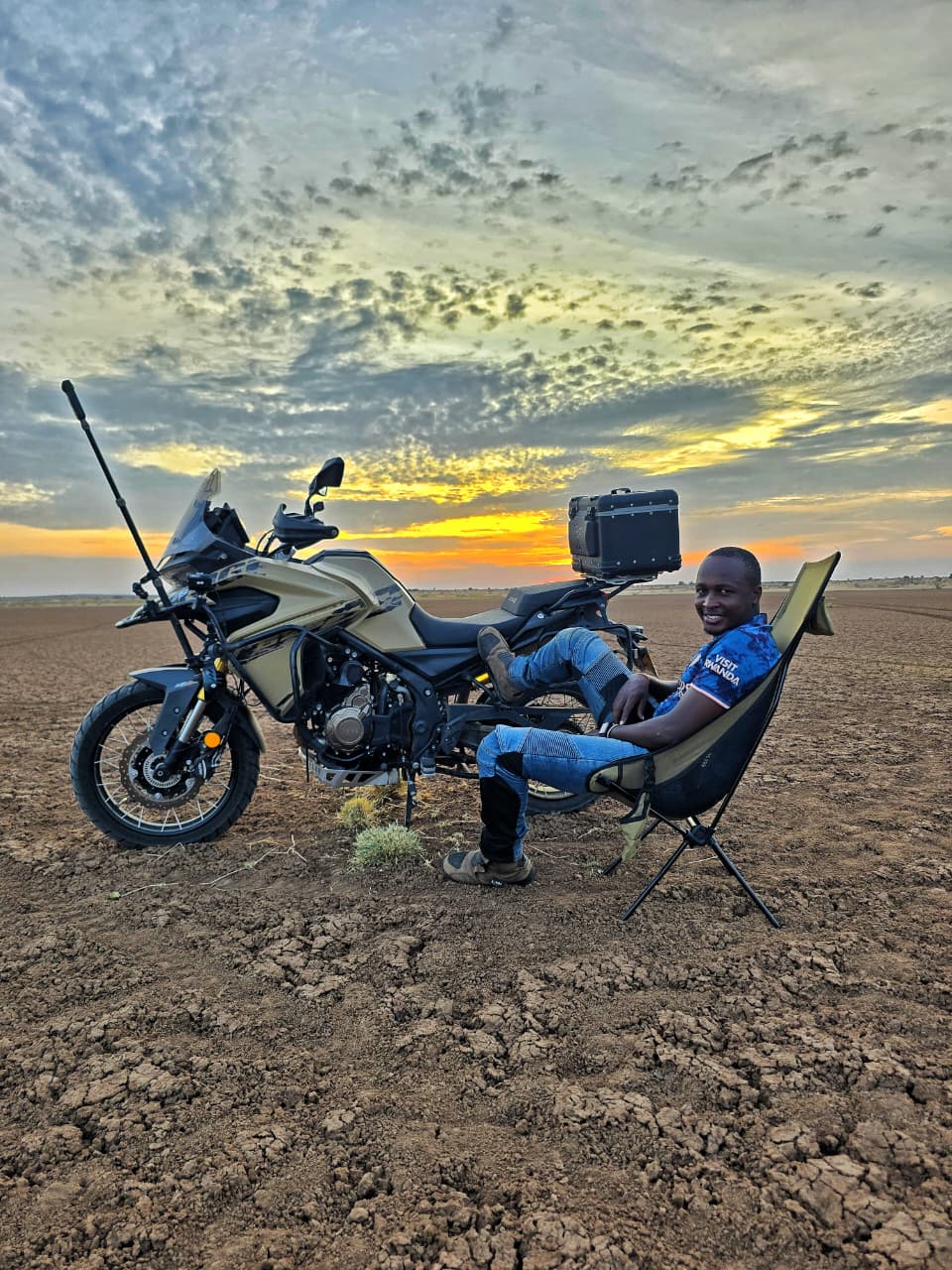
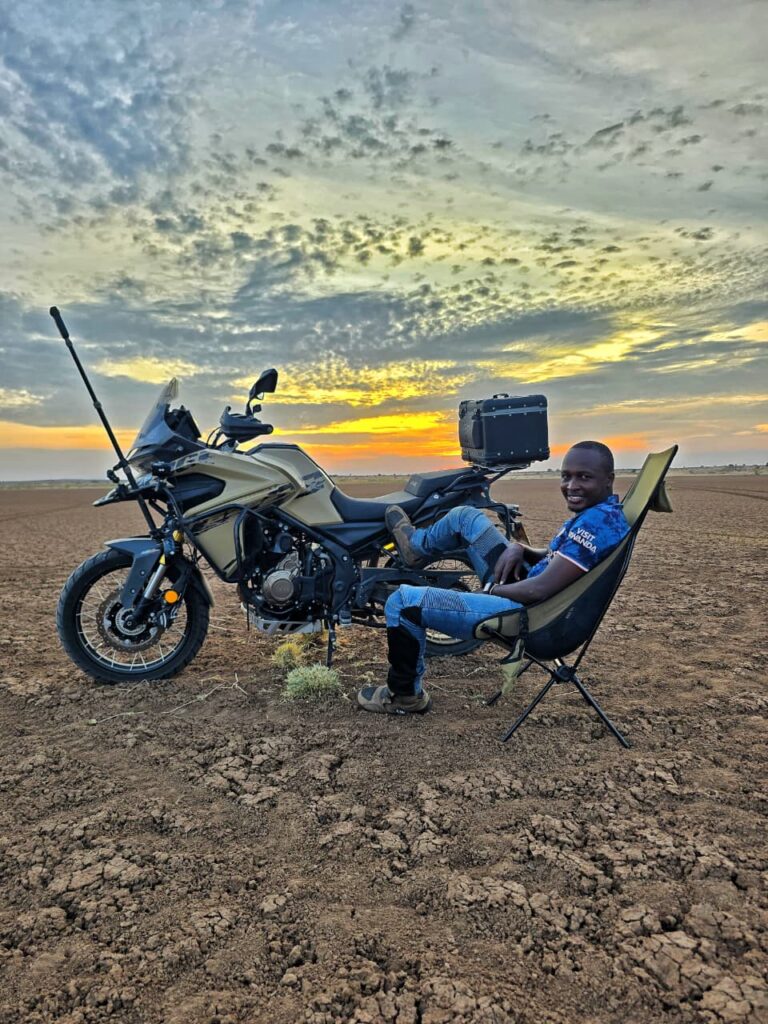
Weston on his adventure bike in Turkana.
At dawn on a dusty highway in northern Kenya, the roar of motorcycle engines cuts
through the silence as a small group of riders disappears into the vastness of Turkana.
Their destination is not a resort, not a city, but the edge of Kenya itself — Nadapal, the
border with South Sudan. For Kenya’s growing community of adventure bikers, this is
what travel looks like: raw, risky, and deeply intimate with the land.
One of them is Denis Micheni Gitonga, whose journey into long-distance biking began
not with wanderlust but frustration.
“I started riding in August 2021 simply to escape matatu queues,” he says. “I lived in
Ruiru and worked in the CBD. Waiting an hour for transport every day was exhausting,
so I bought a bike. That decision changed my life.”
Within weeks, he was no longer just commuting but touring the country.
“The same month I got my bike, I rode to Masinga Dam with a group of beginners I met
on Facebook,” he recalls. “That ride lit the spark.”
Today, Denis has ridden through almost every county in Kenya. Only Mandera, Wajir,
Lamu and Marsabit remain. Beyond Kenya, he has crossed into Uganda, riding all the
way to Entebbe and back.
His most recent journey, completed on January 5, 2026, was his most ambitious yet: a
10-day expedition covering Nairobi, Nakuru, Bomet, Elgeyo Marakwet, West Pokot,
Turkana, Nadapal, South Sudan, Kerio Valley, Suguta Valley, Samburu, Isiolo, Meru,
Nanyuki, Nyeri and Murang’a.
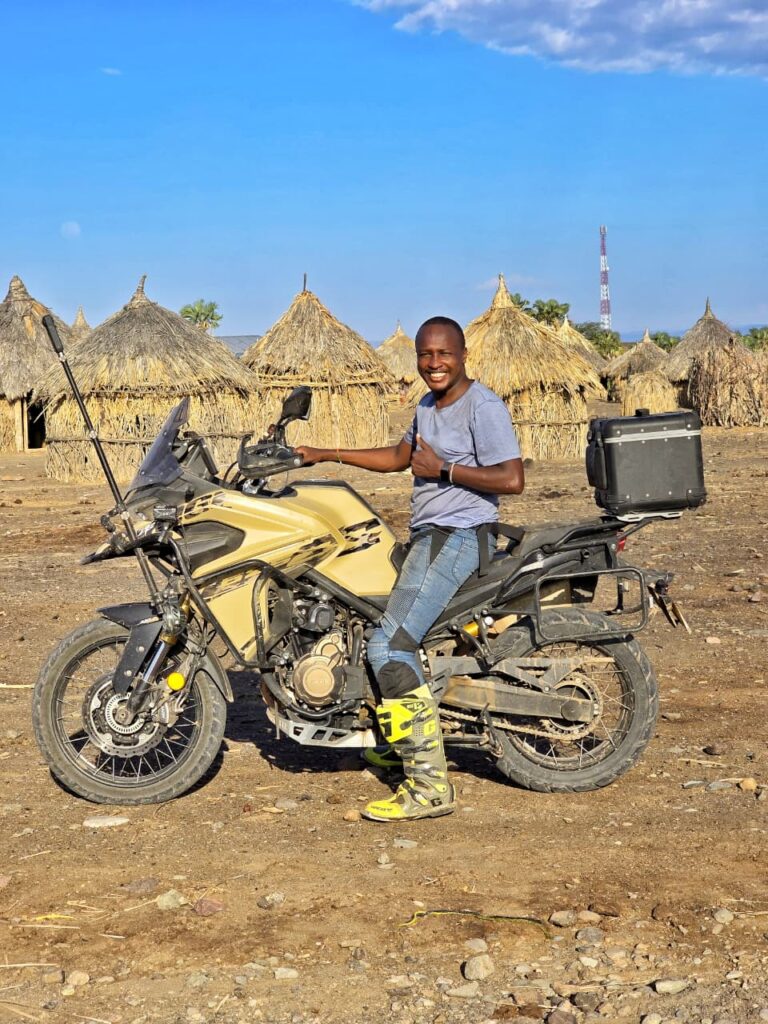
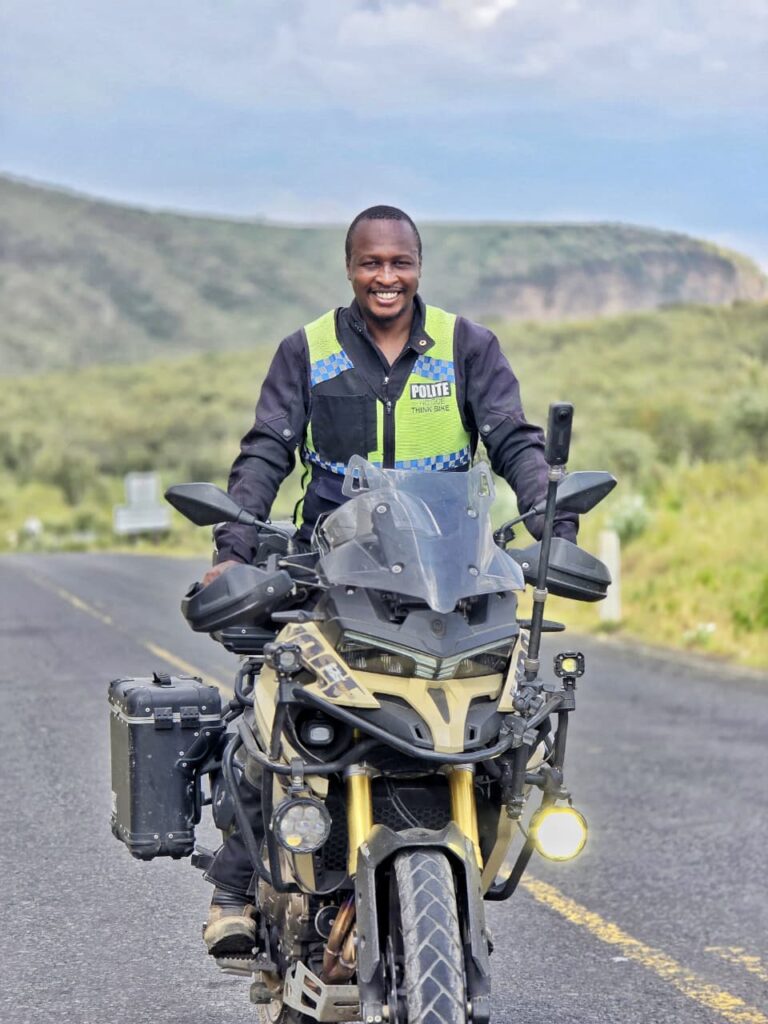
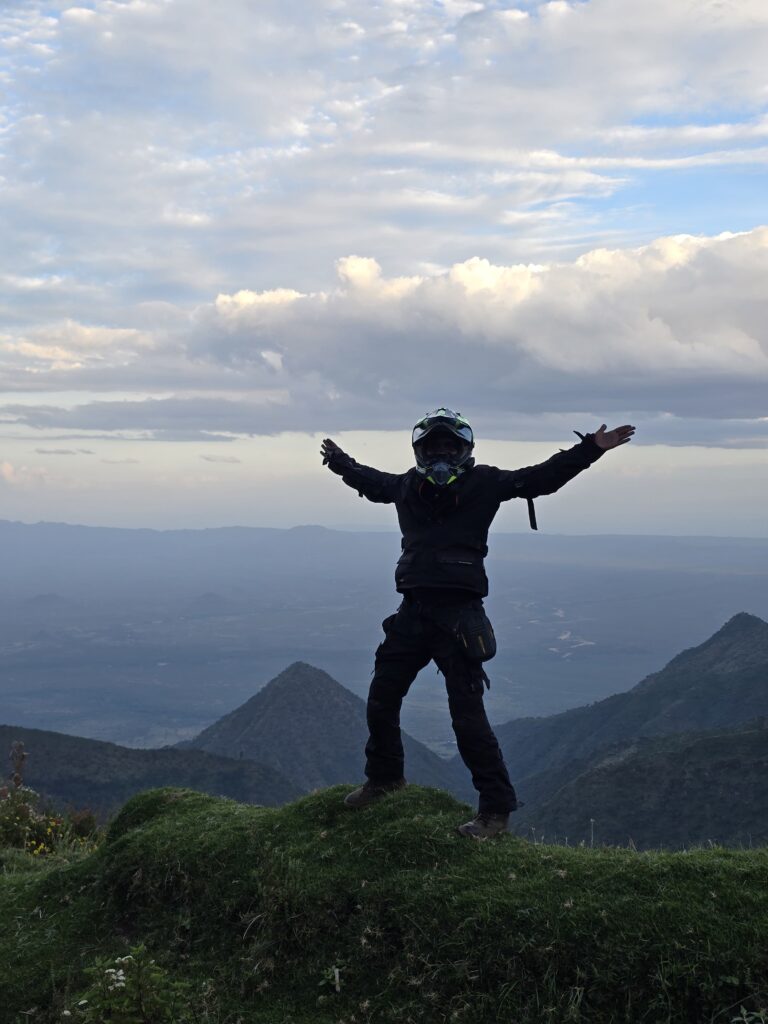
“We rode into some of the wildest landscapes Kenya has,” he says. “Eliye Springs on the
shores of Lake Turkana. The magical Suguta Valley. The twisting mountain roads of
Elgeyo Marakwet. These places change you.”
For Denis and his fellow riders, the road is the destination.
“We don’t care about speed,” he says. “A 200-kilometre ride can take us five hours or a
whole day. We stop for photos, to talk to locals, to breathe in the scenery. That’s not
inefficiency but it’s intentional.”
Young Kenyans are increasingly using motorbikes to tour the country and travel across
borders because they offer freedom, affordability, and access that other forms of travel
cannot. Motorbikes can navigate rough rural roads, border towns, and remote
landscapes that are often invisible to mainstream tourism, allowing riders to experience
the country more intimately. For many young riders, these journeys are also about
storytelling and identity — documenting their travels on social media, building
followings, and showing a different image of African mobility that is adventurous,
skilled, and self-reliant.
For Kimani Webston, another adventure rider, motorcycles represent something deeper
than transport.
“I love the convenience as you can get anywhere, anytime,” he says. “But what really
inspired me was watching travel vloggers like Itchy Boots, a woman riding solo around
the world. I knew that’s what I wanted to do.”
Webston began riding seriously around 2020, got his first bike in 2022, and has since
covered 90 percent of Kenya and much of East Africa.
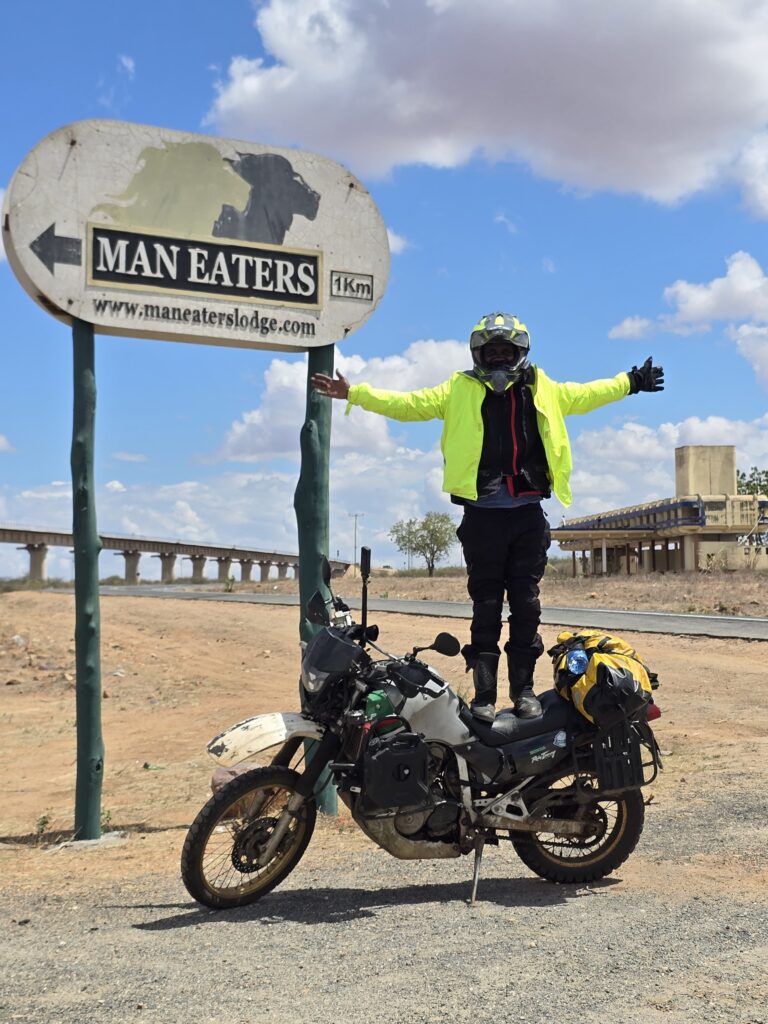
His most unforgettable journey was crossing the Kerio and Suguta valleys from Lodwar
to Baragoi with Denis.
“It was dangerous, exhausting and thrilling in equal measure,” he says. “That’s the kind
of riding that stays with you forever.”
Adventure biking looks glamorous on social media, but it demands serious preparation.
“Your body and mind must be ready,” Denis says. “You don’t build endurance in a gym
but you build it by riding. Start with 100 kilometres, then 200, then 300. Let your body
adapt.”
Hydration, rest and bike maintenance are critical. “Riding demands 100 percent focus,”
he says. “One mistake can change your life.”
“People think bikes are cheap, but adventure bikes cost hundreds of thousands,” Denis
says. “Then there’s gear, accessories, maintenance. Parts are often imported and
mechanics are few.”
Webston adds that border crossings can be exhausting. “African borders are still very
bureaucratic,” he says. “That’s why I advocate for a borderless Africa.”
And then there’s traffic.
“Some drivers don’t respect bikers,” Denis says. “A Nairobi–Mombasa ride can mean
ten near-death moments because of careless motorists.”
Yet for all the risks, these riders are quietly becoming unofficial tourism ambassadors.
They reach places tour buses never go. They interact with communities rarely seen by
visitors. They document Kenya’s landscapes in ways no glossy brochure can.
“We invite stakeholders like Magical Kenya, the Kenya Tourism Board and KWS to work
with us,” Webston says. “We are already promoting Kenya — just give us support and
recognition.”
Denis agrees. “We show the real Kenya-the valleys, the villages, the people. On a bike,
you don’t just pass through. You belong, even if just for a moment.”
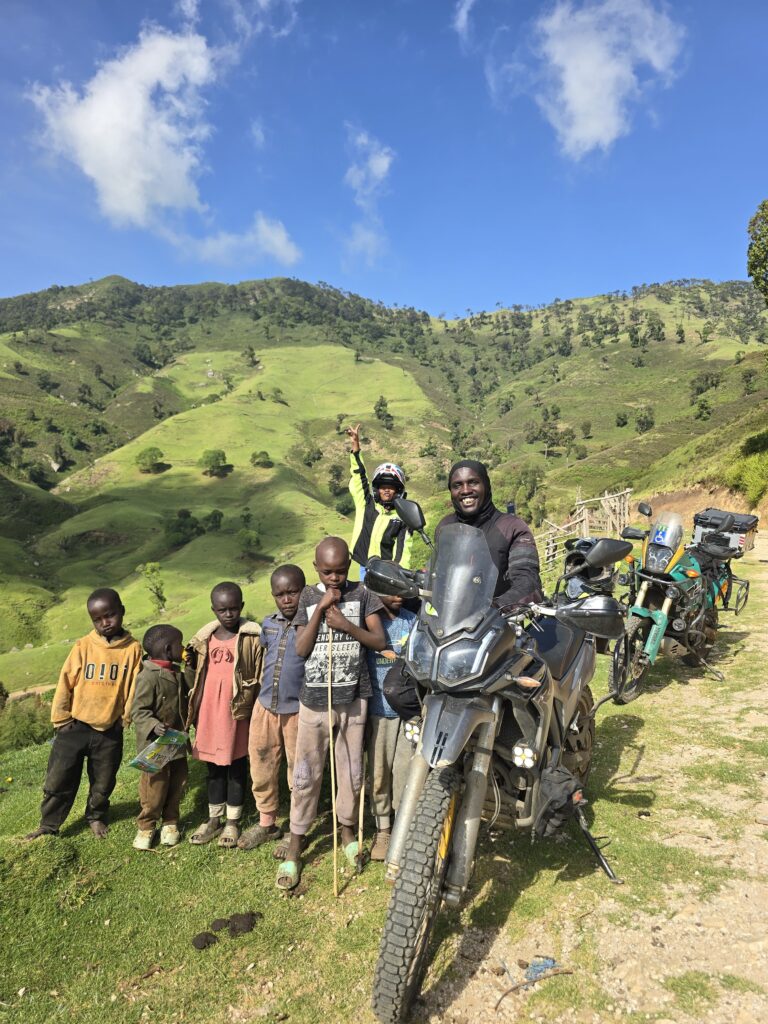
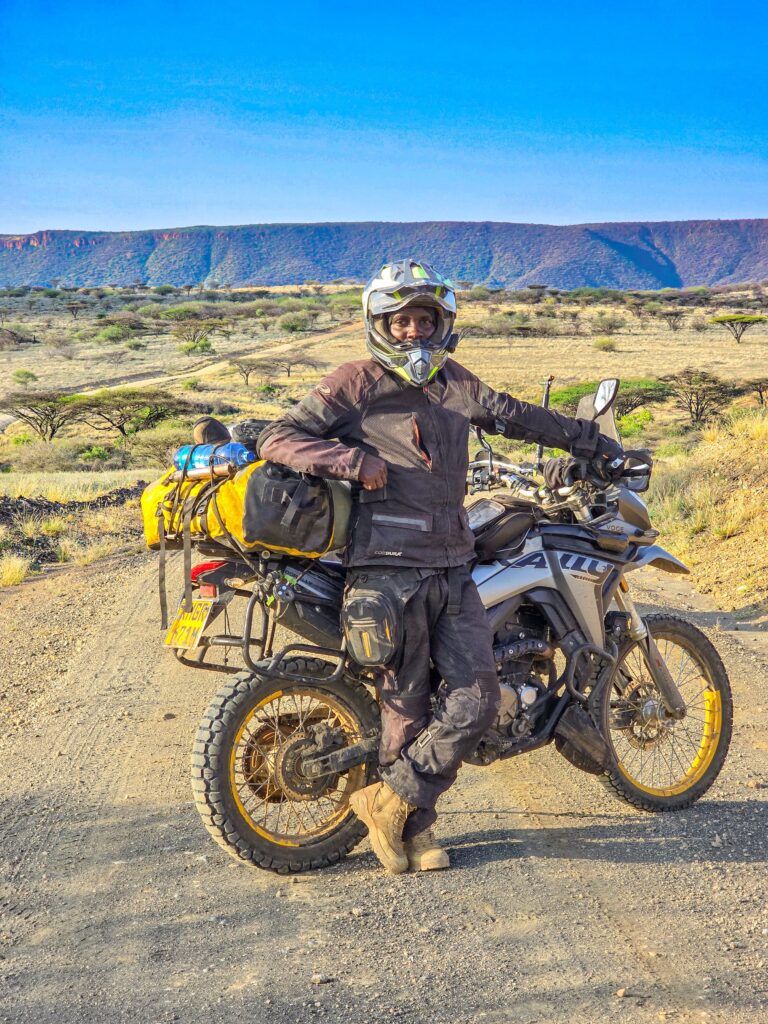
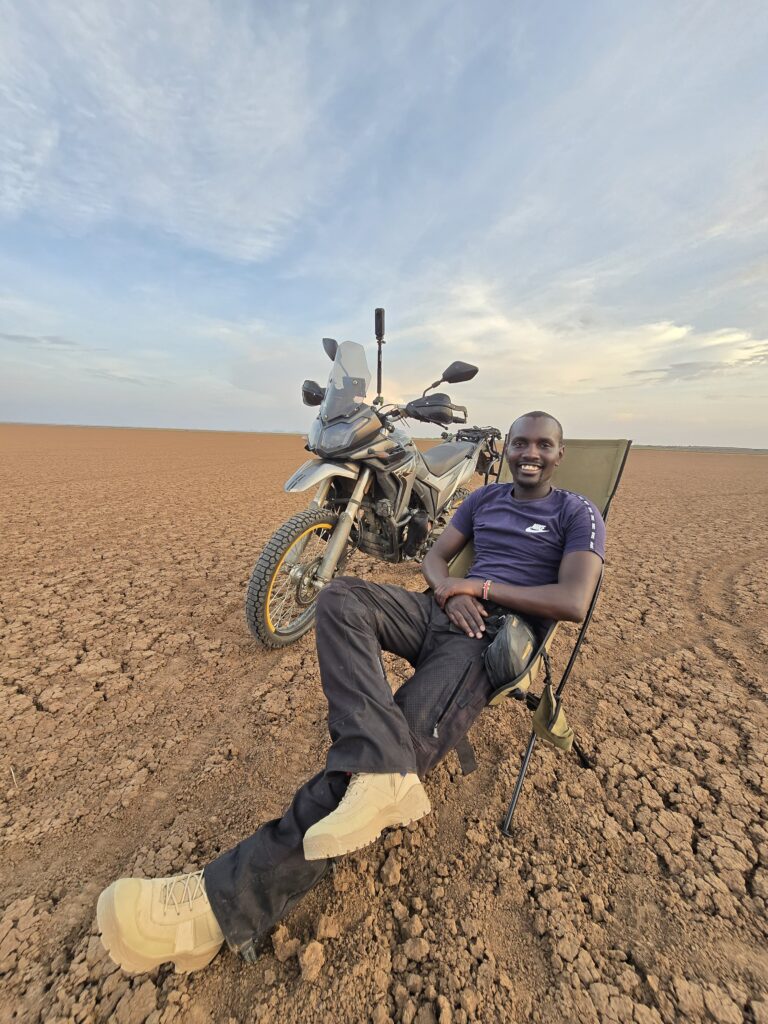
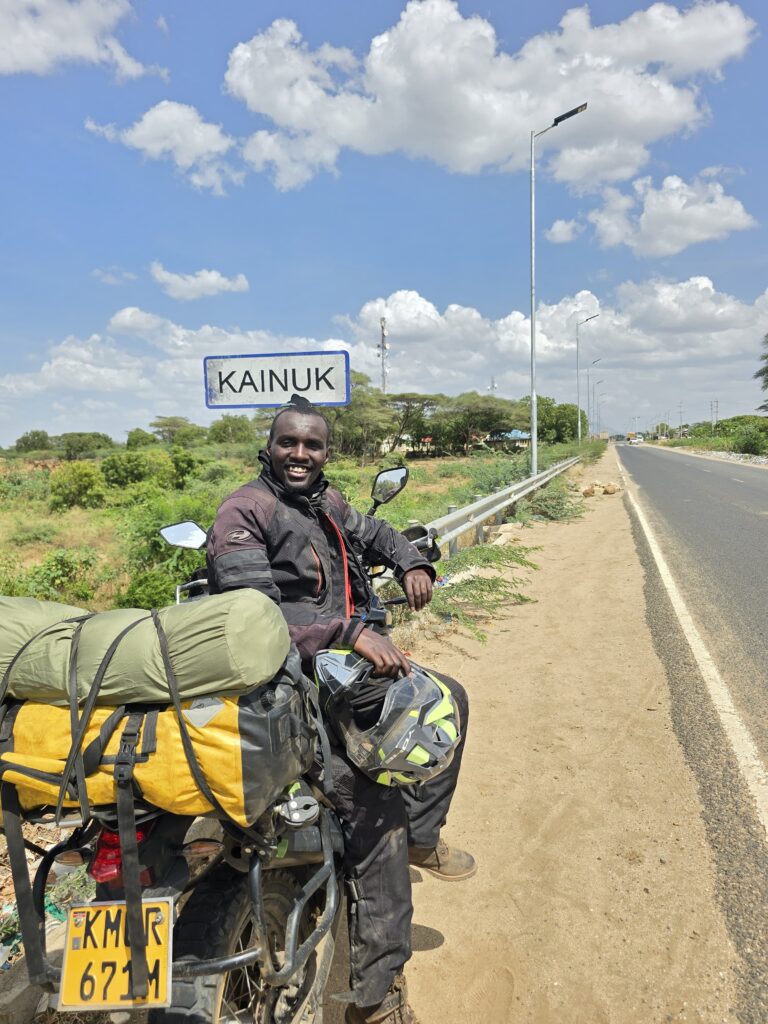
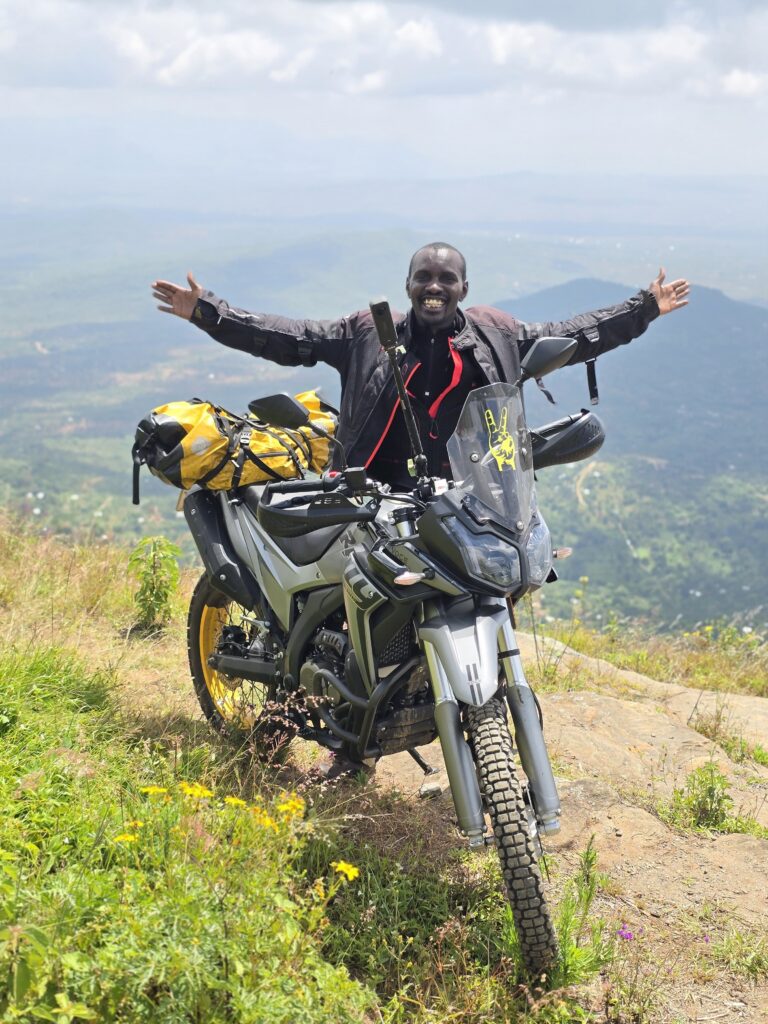
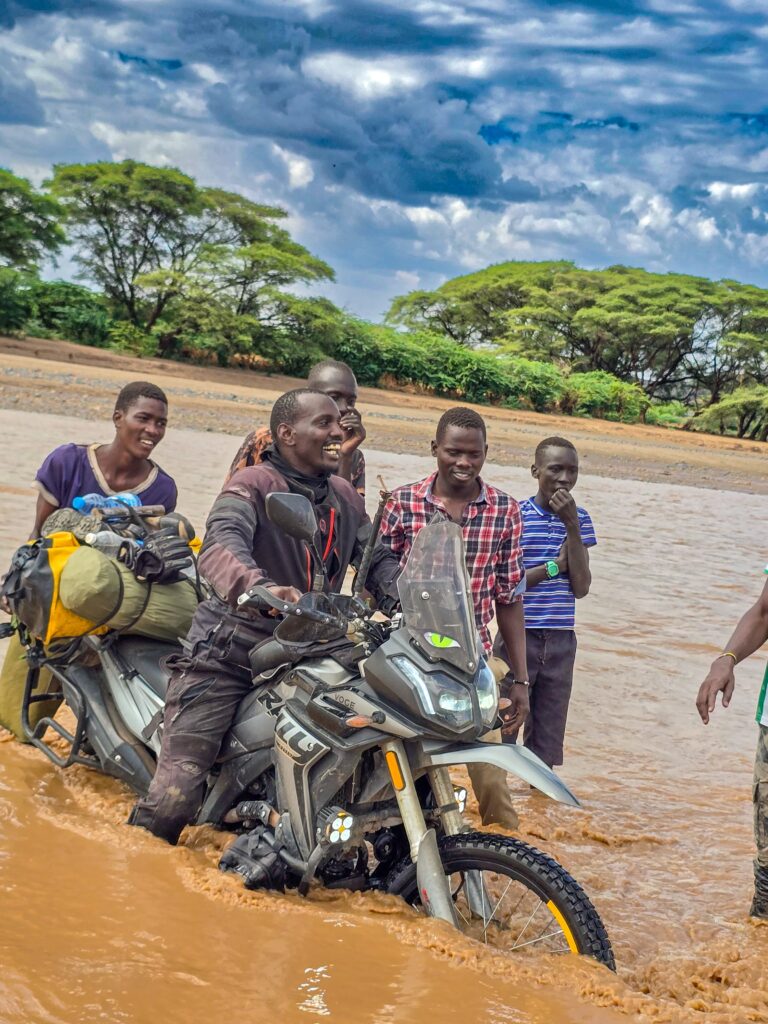
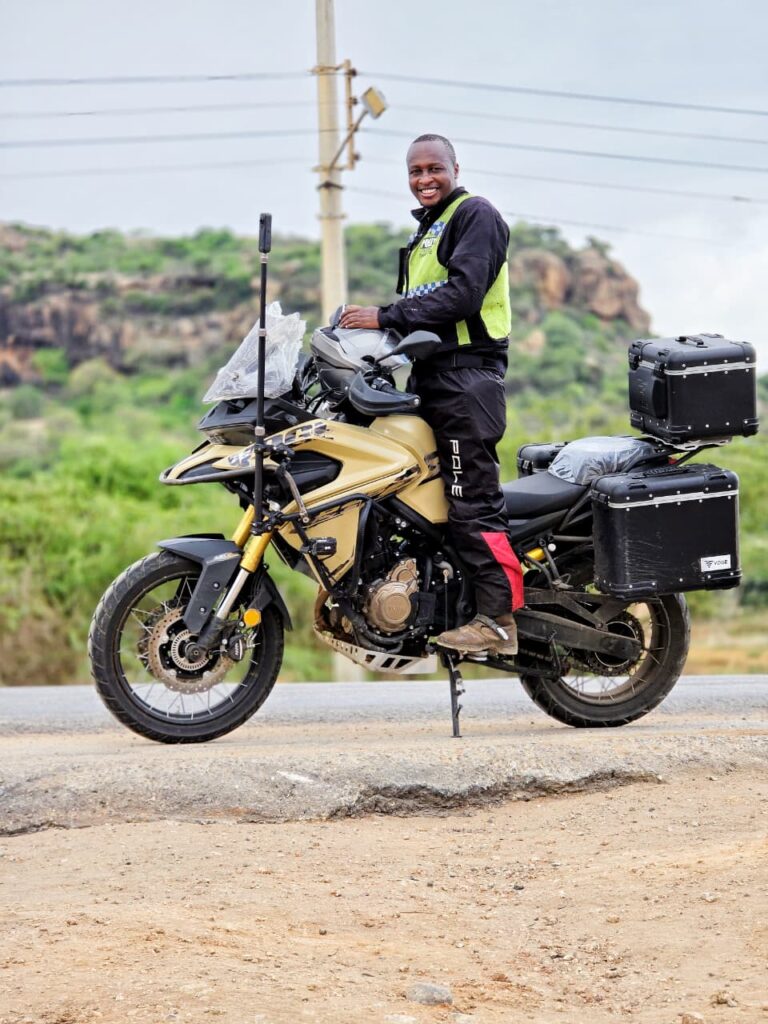
Dennis in his advntures in a bike
