

In Makandura, a quiet settlement in Laikipia North, music carries more than rhythm—it
carries advice, warning, and hope. For 25-year-old Samuel Papenye Marmali, better
known by his stage name Sammy Ramaz, singing is not just a creative pursuit but a
responsibility to his community. Through songs delivered in the Maa language, the
young musician is carving out space for cultural pride, social guidance, and peace-
building in a region that has faced economic hardship and insecurity.
Born and raised in Makandura, Ramaz identifies as an Il-Laikipiak from the Maa
community. His roots shape both his sound and his purpose.
“I discovered my talent at a young age,” he says, explaining that music offered him a way
to advise people both young and old about the choices they make and the paths they
take. “I wanted to use my music to share good news and correct the mistakes we
sometimes make, so the community can grow.”
That commitment to clarity is why Ramaz sings primarily in his mother tongue. For
him, language is not a barrier but a bridge.
“I want my message to be crystal clear to the people I’m trying to help,” he explains.
Singing in Maa, he adds, keeps culture alive while passing on positive values to listeners
who understand the language and even to those who don’t but feel its intent.
The journey to being heard, however, has not been easy. When Ramaz first decided to
pursue music seriously, financial constraints nearly shut the door. Studio time was
expensive, and Laikipia North lacked recording facilities. To record, he often had to
travel long distances to Samburu or Isiolo—an added cost and logistical challenge for an
emerging artist with limited means. Insecurity in his hometown made things harder
still, creating an environment where creative ambition felt risky.
Discouragement came not only from circumstance but from people, too.
“Many told me music was a waste of time,” he recalls.
For a young man trying to survive and support a family, the pressure to abandon his
dream was constant. Yet Ramaz persisted, driven by the belief that music could be both
purposeful and practical.
His resilience is rooted in a childhood defined by hard work. Raised in a family with very
limited resources, Ramaz did not always have the chance to fully focus on school.
Instead, he spent much of his time doing manual labor in a place known as Kiwanja
Ndege in Doldol, working simply to get by. Those early struggles, he says, shaped his
character and sharpened his resolve.
“They made me the man and the artist I am today.”
Slowly, perceptions began to change. As his songs spread and his consistency showed
results, the community started to listen differently. “Now they see that my music
provides for my family and educates people,” he says. What was once dismissed as a
distraction is now recognized as a tool for growth. Singing in Maa, the community has
realized, is not just entertainment—it is education.
That shift in attitude has been Ramaz’s greatest reward so far. While he has not received
formal awards, he measures success by the response of his audience. “The support and
congratulations from my fans mean everything,” he says. In Laikipia, he notes, many
local artists feel overlooked by government structures, with little support for the music
industry. Against that backdrop, community acceptance feels like a hard-won victory.

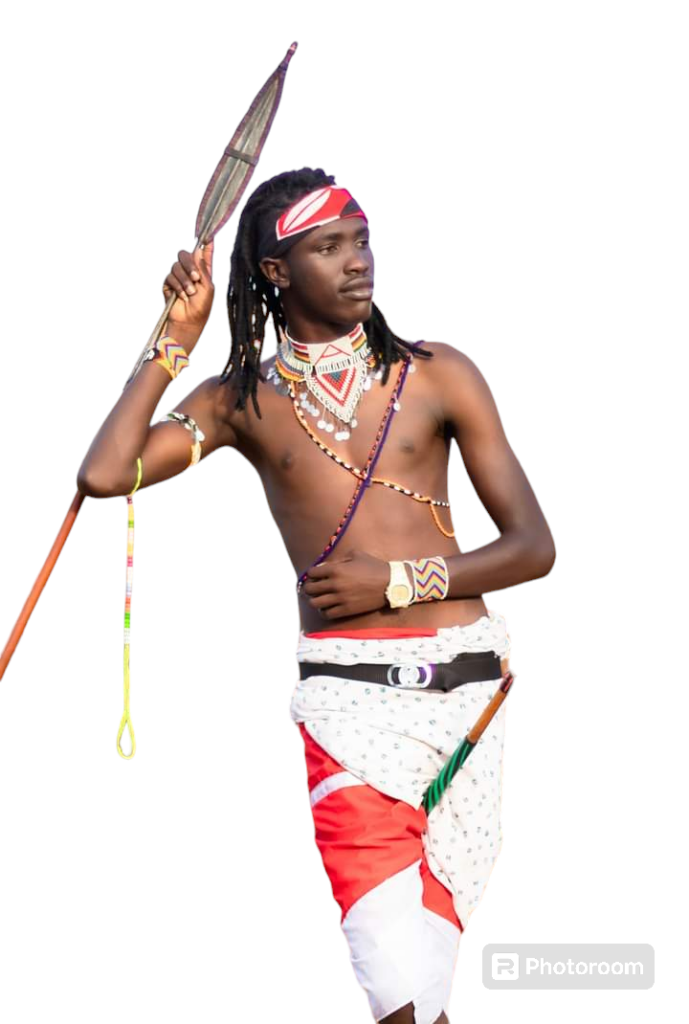
Looking ahead, Ramaz is clear about what local artists need to thrive: strong family
support and the courage to ignore negative voices. His advice to fellow creatives is
practical and firm.
“Stay focused, avoid drugs, and set personal limits to protect your mission. Discipline is
as important as talent.”
His ambitions stretch beyond personal success. Ramaz is seeking partnerships with
organizations to serve as a Peace Ambassador, using his Maa-language music as a
platform for education and social change. He believes songs can help address conflict,
guide youth away from destructive paths, and promote unity not only in Laikipia North,
but across northern Kenya, including Samburu and beyond.
Five years from now, Ramaz envisions a much wider stage. He hopes his music will
reach a global audience and that he will be a household name across East Africa. He is
also the founder of Shining Star Music, a band and creative platform supporting young
musicians and other creatives. One of his biggest dreams is to establish a professional
recording studio in his home area, so upcoming artists do not have to endure the same
financial and logistical barriers he faced.
