
Eating food from different cultures is a very enriching and fascinating experience, I must admit. I say fascinating because it’s interesting learning the combinations that different cultures create, as well as the unusual things they consider delicious—while for you, it might be a pass. It’s also fascinating because you might sample a dish once and suddenly it becomes your favorite food.
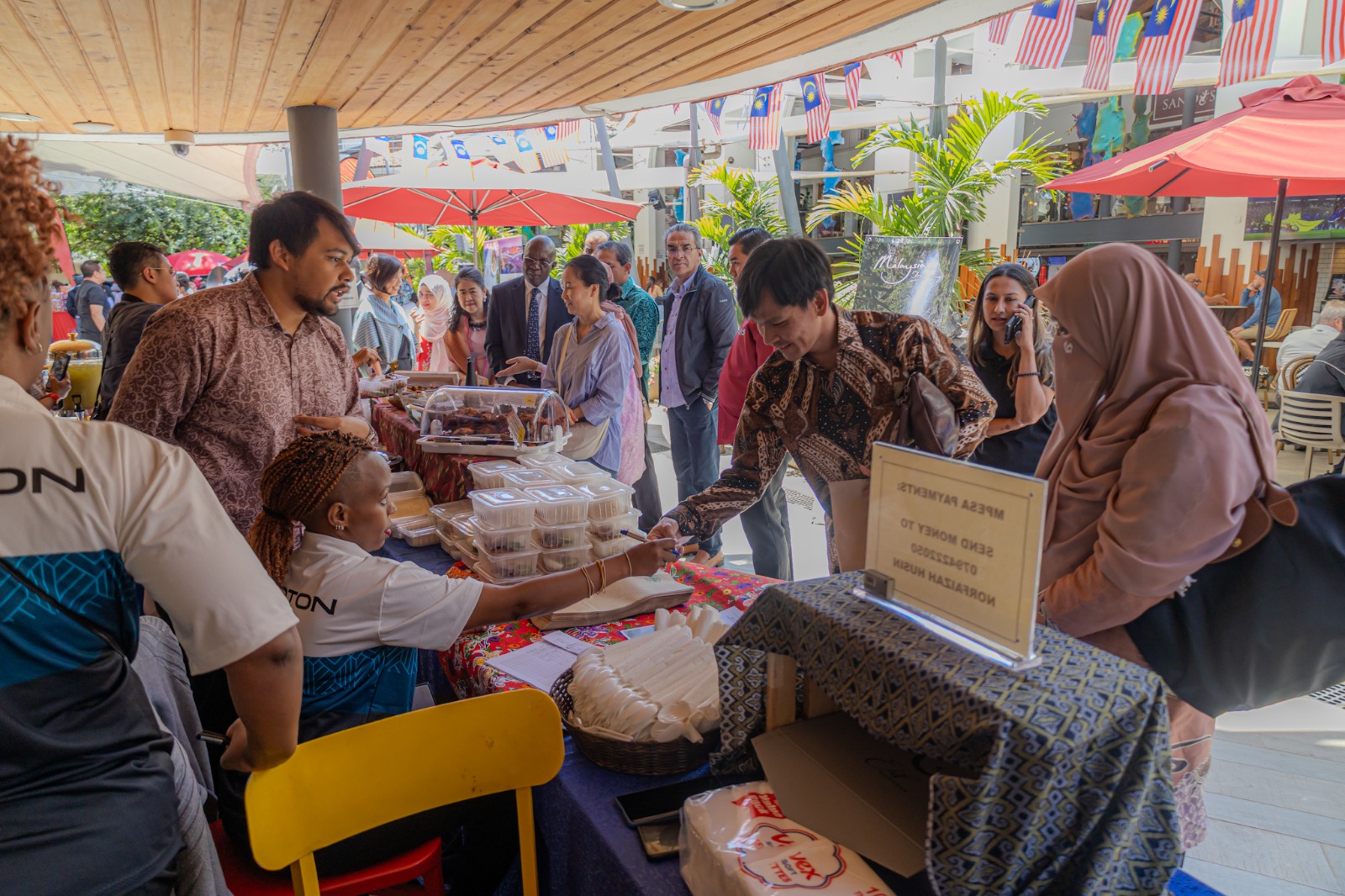
There was a food festival organized by the ASEAN countries recently, and I had the opportunity to sample their cuisines and beverages. When I say ASEAN countries, I refer to Asian nations that have representative offices in Kenya—namely Indonesia, Malaysia, the Philippines, and Thailand. From this experience, I learned that Asian and African food share similarities, as both have deep and rich histories shaped by diverse climates, local ingredients, and cultures. While we share elements such as spices, communal eating, and rice-based dishes, there are clear distinctions in cooking methods, staple ingredients, and flavor profiles.
In his welcoming speech, the Indonesian Ambassador to Kenya, Dr. Mohamad Hery Saripudin—who is also the Vice Chair of the ASEAN Committee in Nairobi (ACN), representing the Chair, the Thai Ambassador who was unable to attend—explained that the festival was one of many initiatives aimed at introducing Southeast Asian culinary delights to Kenyans, ultimately strengthening people-to-people connections.
“Food is a bridge between cultures that crosses borders and adapts to local conditions. The deliciousness of food and the enjoyment of typical drinks from ASEAN countries, consumed with joy, will create unforgettable shared experiences and strengthen bonds between nations,” he said.
The venue featured booths from Indonesia, Malaysia, the Philippines, and Thailand, each offering culinary specialties unique to their countries. I began my tasting journey at the Indonesian booth, which was conveniently the first stand at the entrance. Their offerings were particularly popular among visitors and included chicken satay, fried rice, siomay, meatballs, chicken noodles, and light snacks such as lemper, dadar gulung, and risol. Refreshing drinks like iced cendol and RI UC1000 lemon and orange-flavored beverages were also in high demand, especially under the sunny skies.
Being famished, I started with Nasi Goreng—literally “fried rice” in Indonesian and Malay. Calling it fried rice feels like an understatement, as the dish bursts with flavor thanks to spices such as ginger, chili, and shrimp paste. It embodies the philosophy of using leftover ingredients and reflects the resilience and creativity of the Indonesian people. I also sampled Sate Ayam, a popular Indonesian dish made of marinated chicken skewers grilled to perfection and served with groundnut soup.
“Sop Kacang refers to the peanut soup or sauce served with the skewers,” explained Madam Zulfah Saripudin, wife of the ambassador. “It’s made from a rich blend of ground peanuts, spices, and sometimes coconut milk. This combination is common in several regions of Indonesia and is loved for its balance of salty, sweet, and savory flavors, with the peanut sauce providing a creamy, nutty depth that complements the grilled chicken.”
The Indonesian spread also included acar or achar—a pickled vegetable condiment served as a side dish. Made with crunchy vegetables such as carrots, cucumbers, and sometimes green chilies, it is pickled in a mixture of sugar, salt, and vinegar. I paired it with the nasi goreng and loved the tangy, refreshing contrast it added. Although I didn’t try it, I was intrigued by the drunken ice avocado and milk drink, a rich and creamy Indonesian treat made from avocado, sweetened condensed milk, and ice. For those who indulge, a splash of vodka is sometimes added, giving the drink its “drunken” twist.
Next, I headed to the Philippines stand, where my love for chicken wouldn’t let me pass by Chicken Inasal. Served with rice, the dish captures the essence of Filipino cooking by blending acidity, sweetness, and savoriness into a beautifully balanced flavor.
“It’s an iconic symbol of Filipino culinary heritage and is traditionally served with a mound of steamed white rice,” said H.E. Marie Charlotte G. Tang, the Philippines Ambassador to Kenya.
At the Thailand stand, the dish that stood out was Green Chicken Curry, also known as Gaeng Keow Wan Gai. One of Thailand’s most popular dishes, it is a rich and aromatic curry made from chicken simmered in a coconut milk base. Its vibrant green color comes from a blend of fragrant herbs, spices, and fresh green chilies. As expected, it is best enjoyed with steamed rice.
