Through Business and Social Media
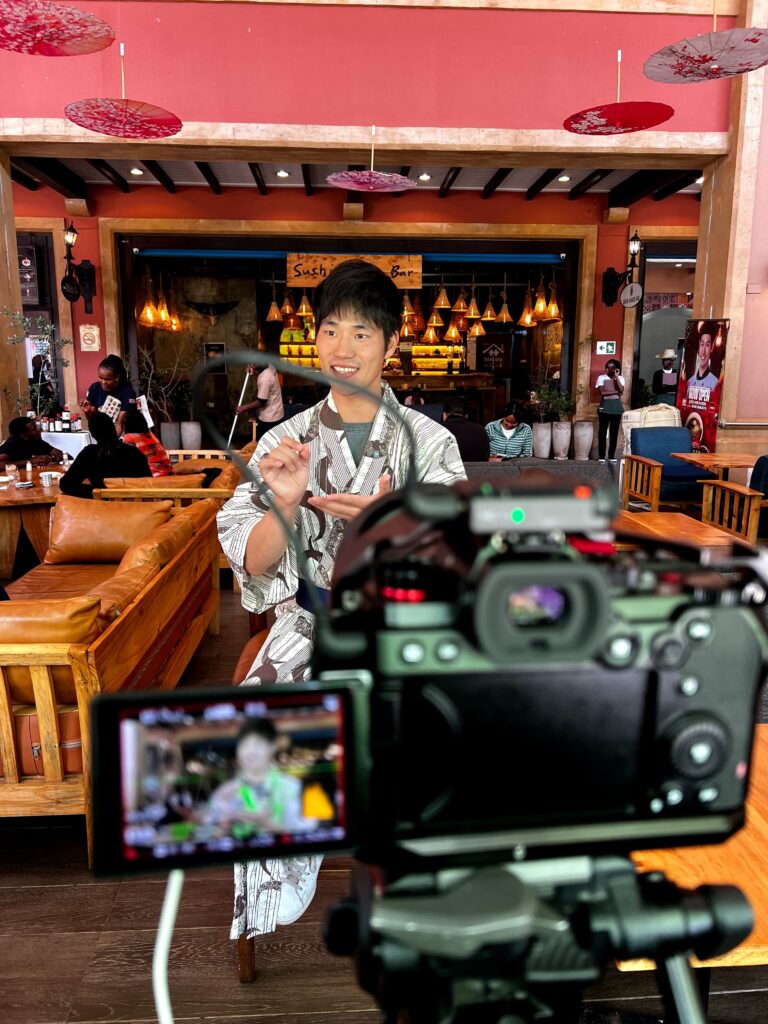
When Koki Nakaya first arrived in Kenya six years ago, it was curiosity that brought him.
Today, it is purpose that keeps him here.
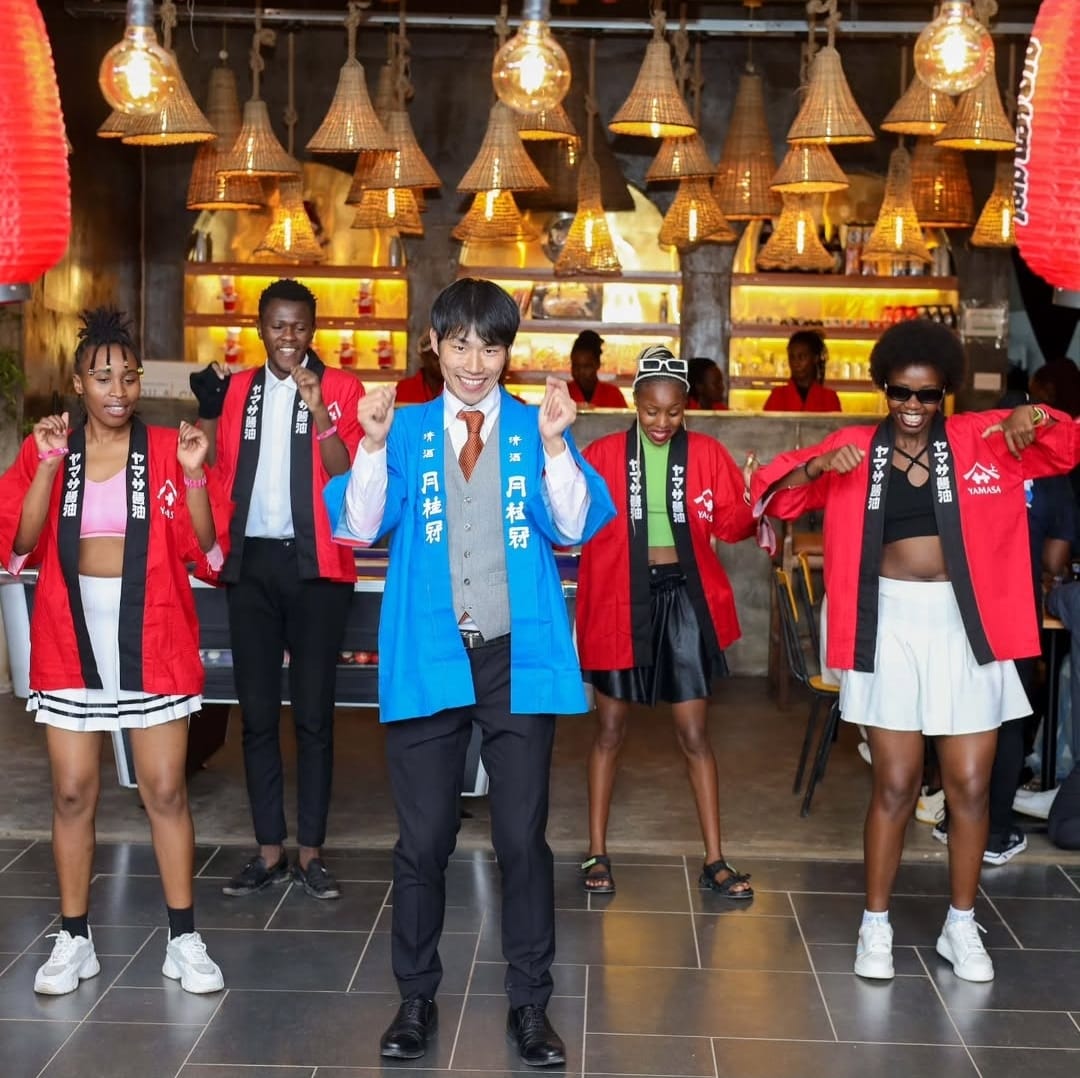
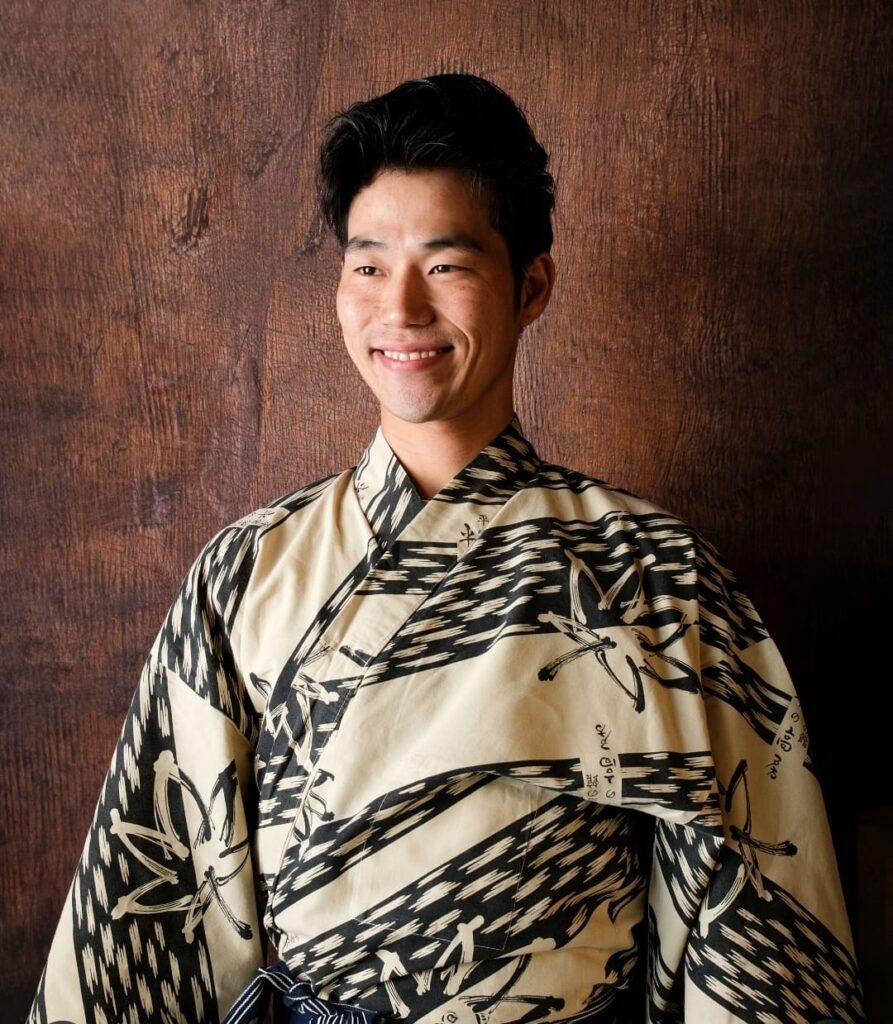
Now based in Nairobi, Nakaya-a Japanese entrepreneur and content creator—has built
a unique career at the intersection of culture, media, and business. As the founder of
ChiQ-QICK Group and Nataka Inc., he is part of a growing wave of global creatives who
see Africa not just as a market, but as a space of opportunity, innovation, and cultural
influence.
“My first impression of Kenya was the energy,” Nakaya says. “There is a strong
entrepreneurial spirit here that you can feel everywhere.”
A Fast-Moving, Digital-First Economy
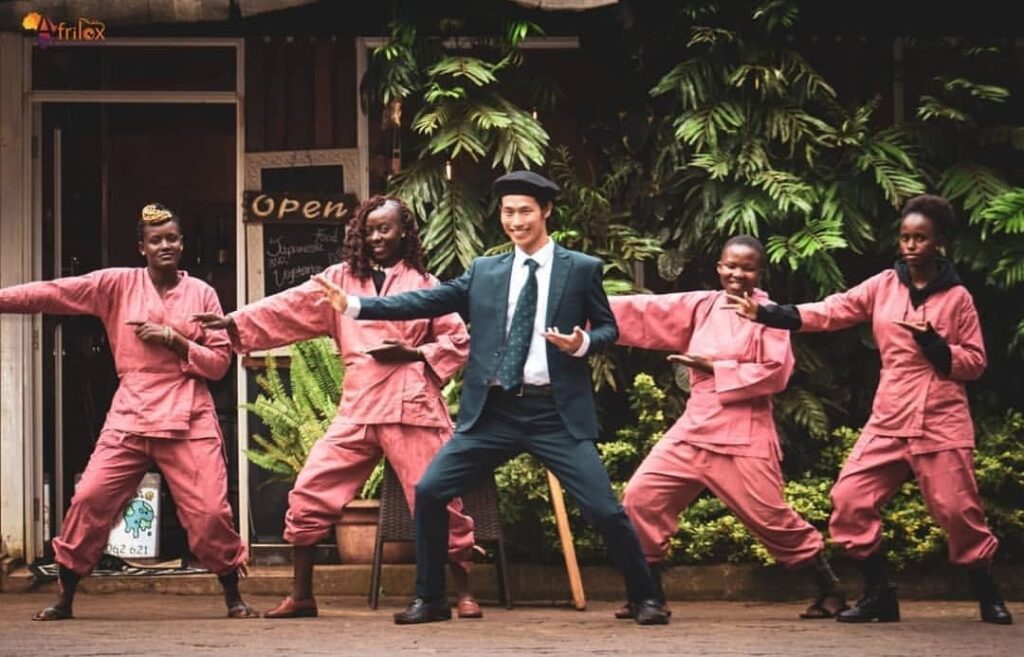
What stood out most to Nakaya was not just the people, but the pace at which Kenya
operates, particularly in the digital space.
“Kenya moves very fast,” he explains. “With mobile money and social media, in many
ways the country is ahead of many parts of the world in adapting to new technology.”
This fast-moving environment, combined with a young and ambitious population,
convinced him that Kenya was the right place to build. Over time, what began as an
exploration turned into something more personal.
“Kenya started to feel like a second home,” he says. “It’s the relationships and the
openness of people that made the difference.”
Culture as a Business Strategy
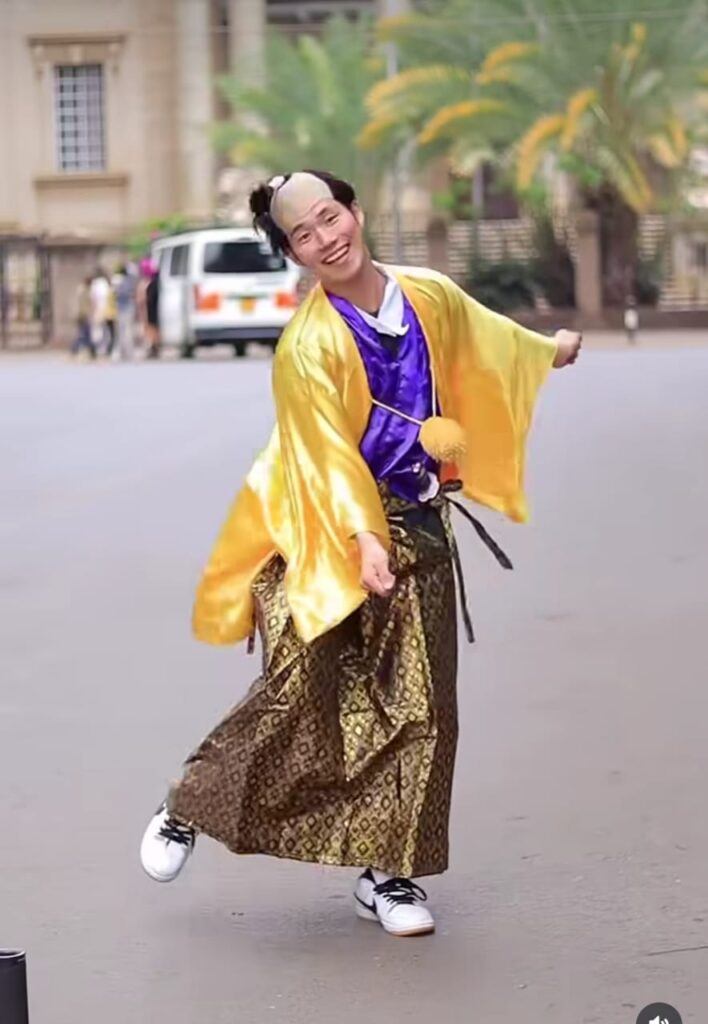
Unlike traditional entrepreneurs, Nakaya chose culture as the foundation of his business
model—using food, media, and creative projects as tools to connect people across
borders.
“Culture connects people instantly,” he says. “Food, music, and entertainment are
universal languages.”
Through Japanese cuisine, particularly matcha and creative storytelling, he has found a
way to spark curiosity while encouraging cultural exchange.
“When people experience Japanese culture, they also become proud to share their
own,” he explains. “It becomes a two-way conversation.”
Nakaya sees strong parallels between Kenya and Japan, despite their geographical and
cultural distance.
“Both cultures value community, respect, and hard work,” he notes. “People care deeply
about relationships and family.”
At the same time, the contrasts are what make the exchange dynamic.
“Japanese culture is more structured and detail-oriented, while Kenyan culture is
expressive, energetic, and flexible. When these two meet, something very creative
happens.”
Social Media as a Cultural Bridge
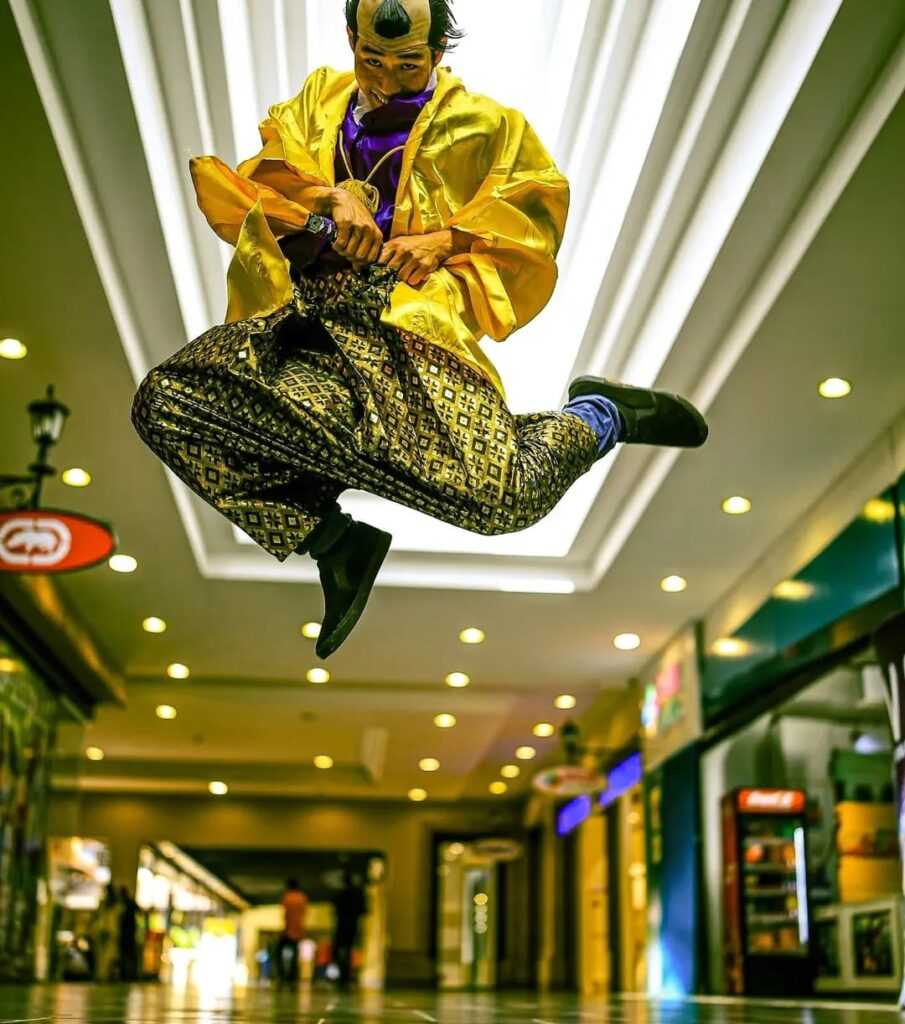
A major part of Nakaya’s work now lives online. Through platforms like TikTok, he
shares everyday moments that highlight the intersection of Kenyan and Japanese
culture from food experiences to humor and lifestyle.
“Social media was a natural extension of what I was already doing,” he says. “It allows
you to communicate directly with people and show culture in a fun, authentic way.”
The response, particularly from Kenyan audiences, has been overwhelmingly positive.
“People are very curious about Japanese culture: food, traditions, daily life,” he says. “At
the same time, I am learning so much about Kenya from my followers.”
This digital exchange has become one of the most powerful aspects of his work,
allowing him to not only introduce Japan to Kenyans, but also showcase Kenya to a
global audience.
“In Japan, many people only see Africa through the news,” he explains. “But there is so
much creativity, innovation, and talent here that deserves to be seen.”
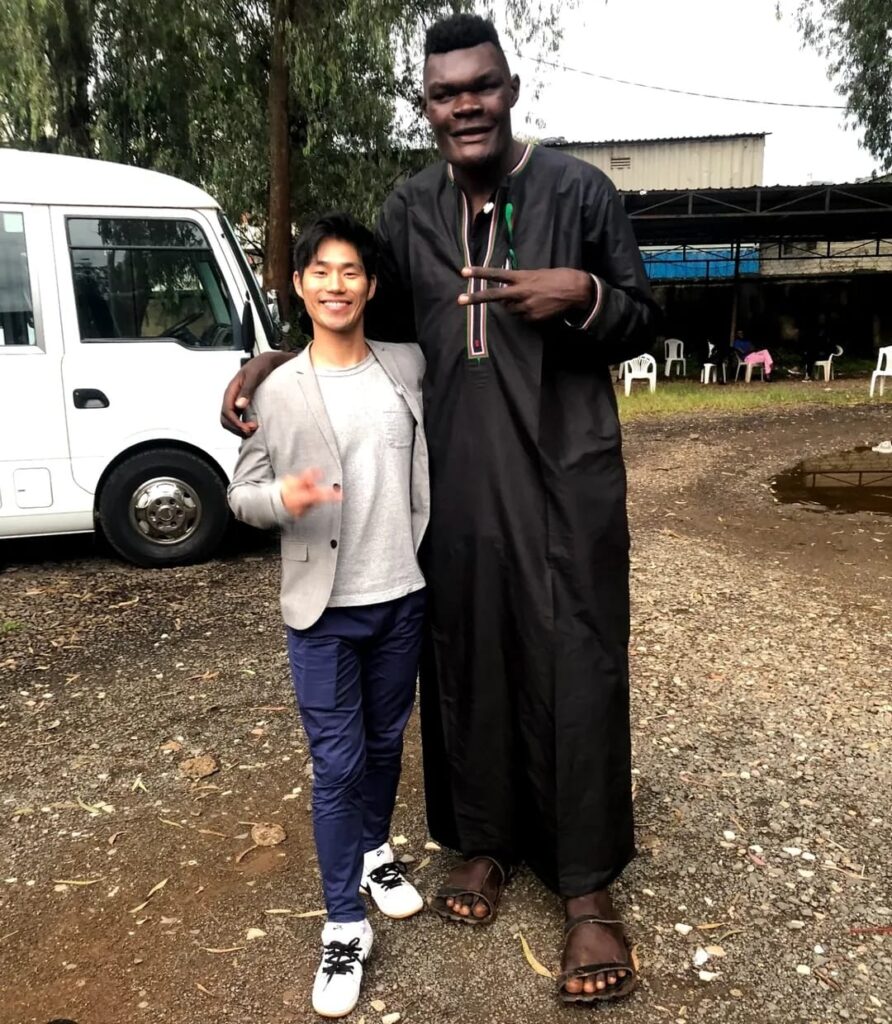
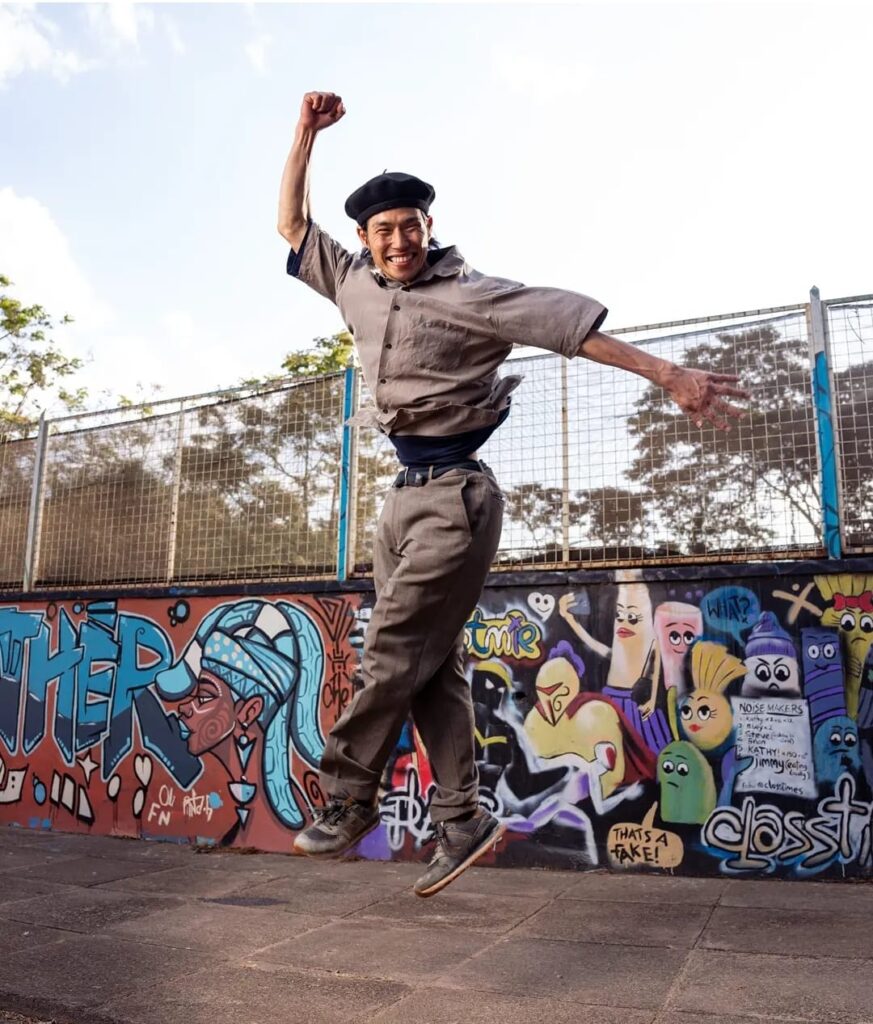
Through his content, Nakaya highlights the vibrancy of Kenyan life from music and
fashion to entrepreneurship and street culture.
Challenging Stereotypes
One of Nakaya’s key motivations is to challenge global misconceptions about Kenya
and Africa.
“Many people think Kenya is only defined by problems,” he says. “But in reality, it is one
of the most innovative and dynamic countries in Africa.”
He points to Kenya’s leadership in mobile technology and digital entrepreneurship as
examples of this often-overlooked progress.
“There is a very young and ambitious population here,” he adds. “That energy is
something the world should pay more attention to.”
Beyond the well-known wildlife and landscapes, Nakaya believes Kenya’s urban culture
is equally compelling.
“Cities like Nairobi have a vibrant creative scene,” he says. “From local markets to
cultural festivals, there is so much happening that shows the true spirit of the country.”
The Reality of Life Online
While social media has opened doors, it has also come with challenges.
“When you share your life publicly, you receive many different opinions,” Nakaya says.
“Not everyone will agree with you.”
Like many creators, he has faced criticism. However, he views it as part of the process.
“Some criticism can be helpful as it allows you to reflect and improve,” he explains. “But
it’s important not to let negativity stop you.”
Instead, he focuses on the supportive community that has grown around his work.
“Many people send encouraging messages and say they enjoy learning about culture
through my content. That motivates me to keep going.”
For Nakaya, authenticity remains key.
“Social media is powerful, but you have to use it responsibly and stay true to who you
are,” he says.
A Personal Transformation
Living in Kenya has also shaped Nakaya on a personal level.
“It has made me more open-minded and adaptable,” he says. “Things don’t always go
as planned here, so you learn to be flexible and creative.”
He also points to the importance of relationships in Kenyan society as a lasting
influence.
“Community is very strong here. That has changed how I think about both life and
business.”
While he remains deeply connected to Japan, Nakaya says his identity has evolved.
“Living abroad makes you see your own culture differently,” he reflects. “Now I feel
connected to both Japan and Kenya. In many ways, my identity has become more
global.”
Looking Ahead
As he continues to build his ventures, Nakaya’s focus remains on creating
opportunities—particularly for young creators and entrepreneurs. He believes the future
will be shaped by cross-cultural collaboration, and he is determined to play a role in that
shift.
“I want to build platforms that connect culture, creativity, and business,” he says. “There
is so much talent here, and it deserves more visibility. Kenya is one of the most exciting
places in the world to build the future,” he concludes.