
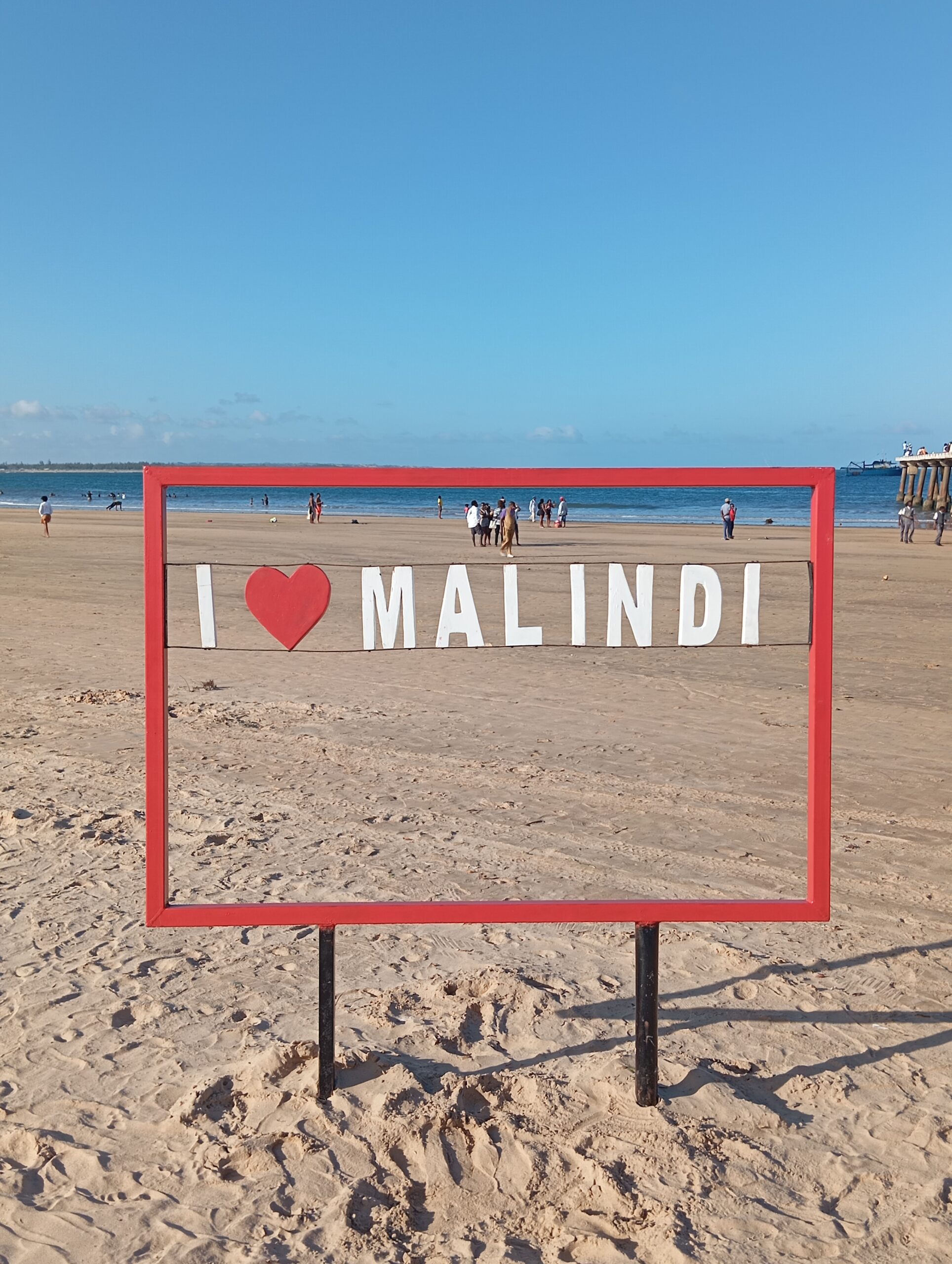
Malindi is one of Kenya’s most cosmopolitan coastal towns, but few cultural influences
have shaped its identity as deeply as Italy’s. What began as a trickle of Italian explorers,
divers, and holidaymakers in the 1960s has evolved into one of the most unique cultural
blends in East Africa so much so that Malindi is often affectionately called “Little Italy.”
Today, Italian culture is not just visible in isolated pockets; it is woven into the town’s
architecture, food scene, hospitality sector, and even its social rhythms.
A walk through Malindi town reveals this bond immediately. Italian
restaurants—ranging from beachfront trattorias to tiny pizzerias tucked inside coral-
stone alleys—dot the coastline. Many of these eateries began as simple family kitchens
opened by early Italian settlers who missed the taste of home. Over the decades, they
have grown into well-loved establishments serving some of the most authentic Italian
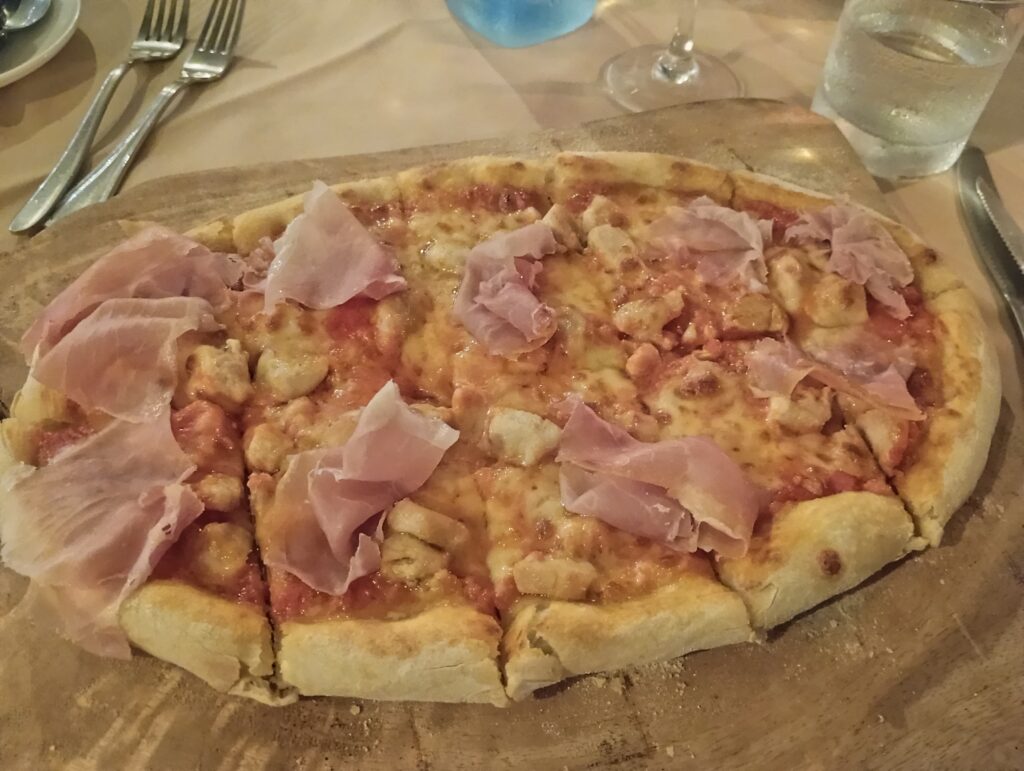
cuisine in Africa. Fresh seafood pasta, wood-fired pizzas, hand-rolled gnocchi, and
creamy gelato have become signature offerings, influencing local tastes and even
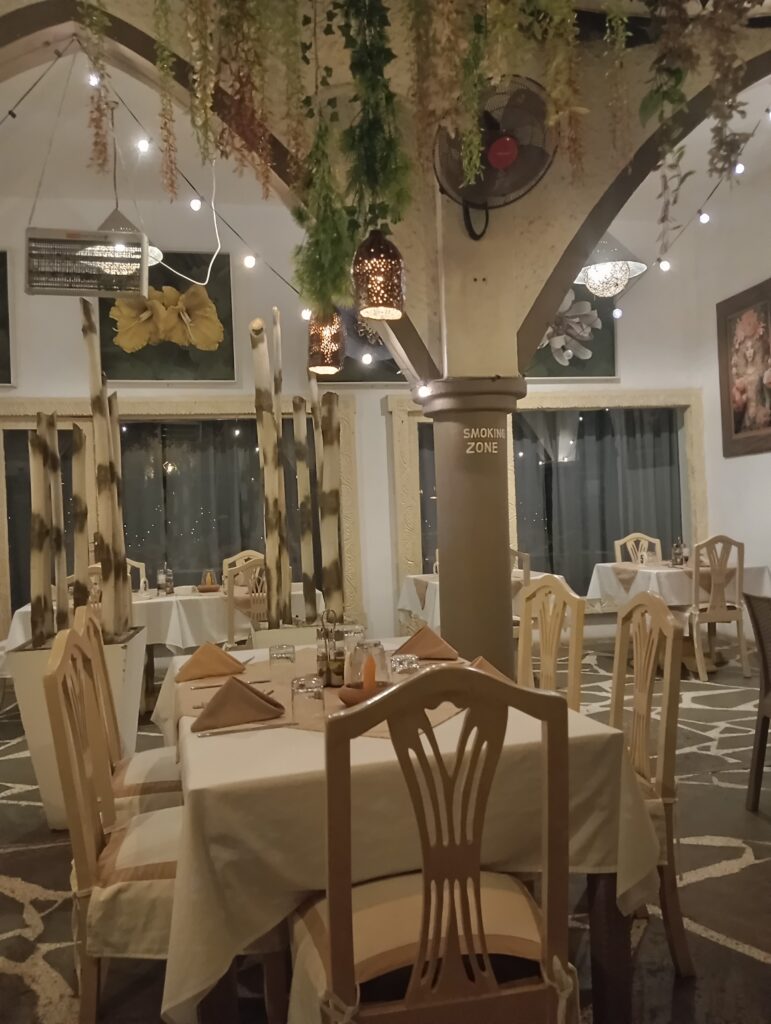
inspiring Kenyan chefs to train in Italian culinary techniques. I tried out Malaika
Lounge Francesca Biancacci from the Lawford Hotel, whose owner has become
renowned for her innovative fusion of African and Italian cuisines, blending traditional
Swahili spices and fresh coastal ingredients with classic Italian cooking techniques to
create dishes that reflect both cultures in every flavorful bite.
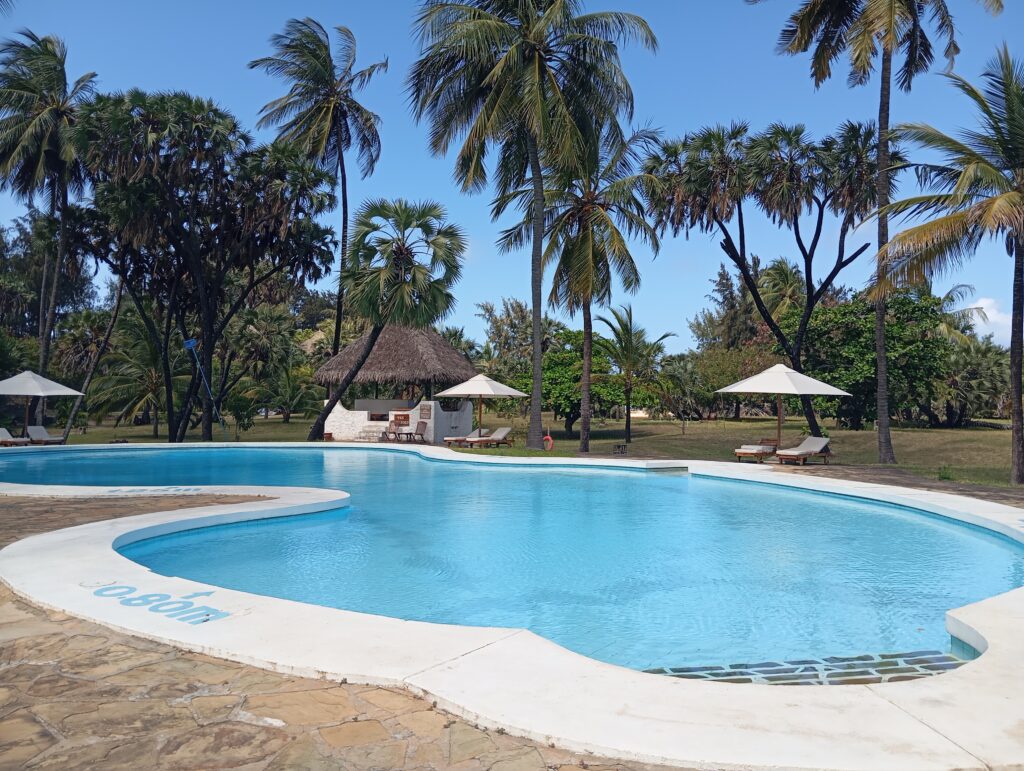
Beyond the food scene, Italy’s imprint is evident in Malindi’s skyline. The town hosts
one of the highest concentrations of Italian-owned villas outside Europe, particularly in
the Casuarina area, where Mediterranean-style homes with terracotta roofs, arched
doorways, and lush courtyards line quiet coastal lanes. Many of these villas now operate
as boutique hotels, blending Italian design elegance with Swahili craftsmanship—coral
walls, carved wooden doors, and coastal color palettes. This fusion has given Malindi a
distinctive architectural identity that continues to attract both European and Kenyan
travelers seeking an exclusive, laid-back escape.
The hospitality sector has also been transformed by decades of Italian presence. From
luxury resorts offering Italian fine dining to family-run guesthouses staffed by locals
trained in Italian service traditions, Malindi’s tourism product reflects a cross-cultural
partnership that has matured over time. Locals who grew up around Italian
communities often speak basic Italian, work in Italian-owned businesses, or incorporate
Italian cooking into their home kitchens. This blending has created a sense of familiarity
and warmth that keeps repeat visitors returning year after year.
One of the most significant symbols of this connection is the Luigi Broglio Space
Centre—commonly known as the San Marco Space Station—located in Ngomeni, just
north of Malindi. Established in the 1960s through a partnership between the Italian
and Kenyan governments, it was one of the world’s pioneering offshore satellite-launch
bases. While primarily a scientific facility, its presence further tightened diplomatic and
cultural links, bringing Italian engineers, researchers, and families to the region. The
space center remains operational today, reinforcing Malindi’s unique place in
Italy–Kenya cooperation.
Despite the strong Italian footprint, Malindi is not a town overwhelmed by foreign
culture; instead, it is a place where exchange and adaptation happen naturally. Swahili
and Giriama influences remain vibrant—visible in traditional music, food markets, and
the warm coastal hospitality. But over time, locals have embraced Italian traditions that
complement their own. Weddings sometimes feature Italian cuisine; fishermen supply
restaurants with catches tailored for Italian recipes; artisans carve furniture inspired by
Mediterranean styles. This cultural give-and-take is one of the reasons Malindi feels
both deeply Kenyan and distinctly global.
The local economy has benefited immensely from this relationship. Italian investors
have contributed to the revival of real estate, hospitality, fashion boutiques, and
wellness spas. Many Kenyans have built careers in Italian-run establishments, gaining
skills in culinary arts, construction, landscaping, and tourism management. Meanwhile,
Italian expatriates who settled permanently have formed community groups, charity
initiatives, and business associations that support health, education, and environmental
projects across Kilifi County.
As more travelers look for destinations with authentic cultural stories, Malindi’s Italian
connection has become one of its strongest selling points. Visitors can spend the
morning exploring the Vasco da Gama Pillar, enjoy an afternoon plate of tagliatelle alle
vongole overlooking the Indian Ocean, and end the day wandering through markets that
sell both Swahili spices and imported Italian cheeses. This blend of continents, Africa’s
warmth and Europe’s refinement, creates a sense of place that is hard to find elsewhere.
