
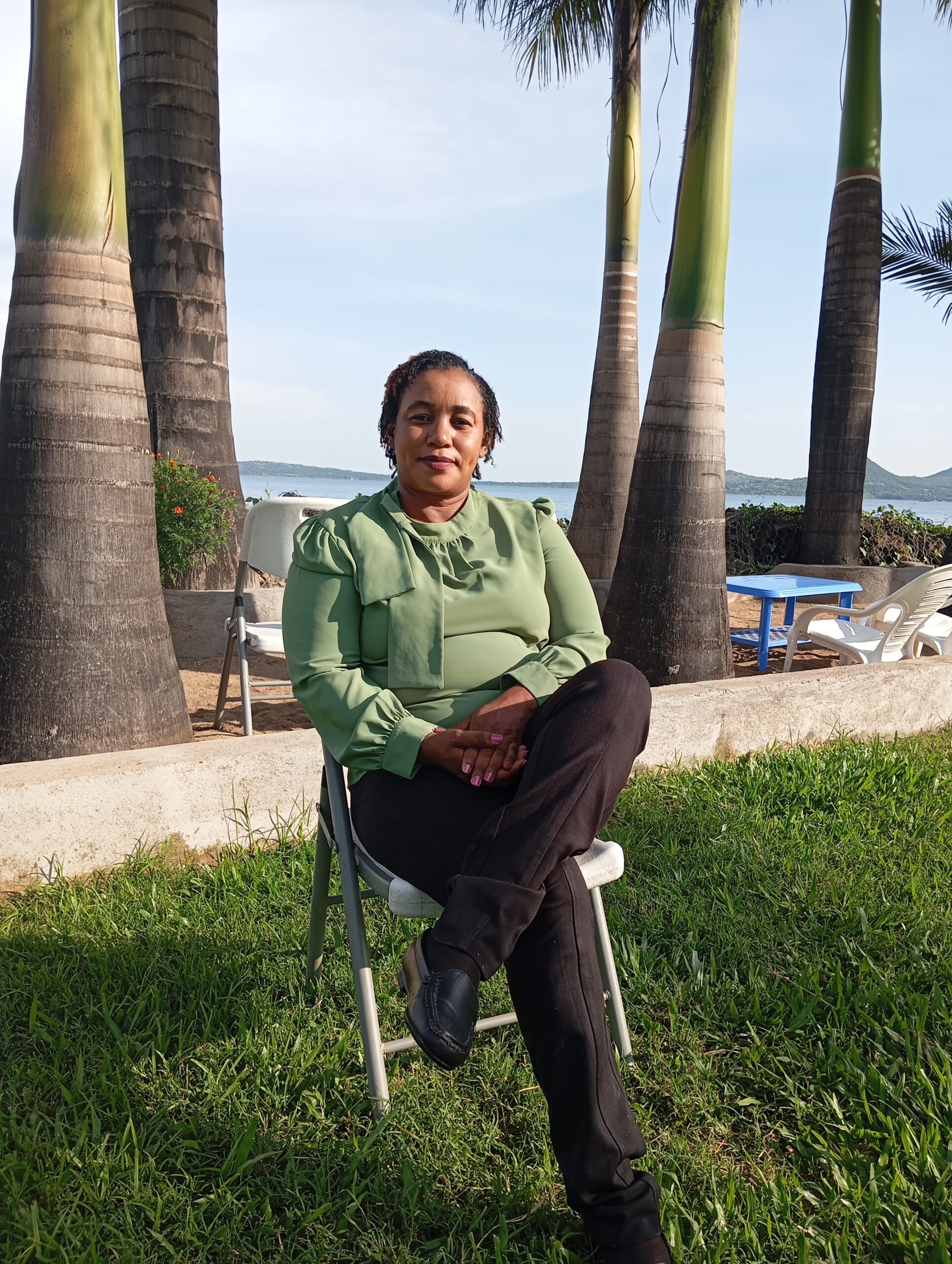
When lawyer-turned-hotelier Magdalene Nzisa, fondly known as Lynn, first set foot in
Mbita, Homa Bay County, in 2017, she saw something few others did, a hidden paradise
waiting to be discovered. Consequently, this today, she runs two thriving lodges that are
quietly transforming perceptions of tourism around Lake Victoria.
“Homa Bay is still largely undiscovered,” Lynn says. “There’s so much potential — from
cultural heritage to natural attractions — but not enough people know about it.
Marketing remains our biggest gap.”
Few could have predicted Lynn’s shift from law to hospitality. After over a decade in a
regional corporate role that took her across Africa, she decided to retire early — at 40.
“I became a hotelier by living in hotels,” she laughs. “I loved the comfort, the calm, the
sense of service. It inspired me.”
Initially, she planned to build a holiday home in Diani, but a friend from Homa Bay
persuaded her to explore the lake region.
“He told me Mbita and the islands were beautiful but unexplored. When I came, I fell in
love instantly.”
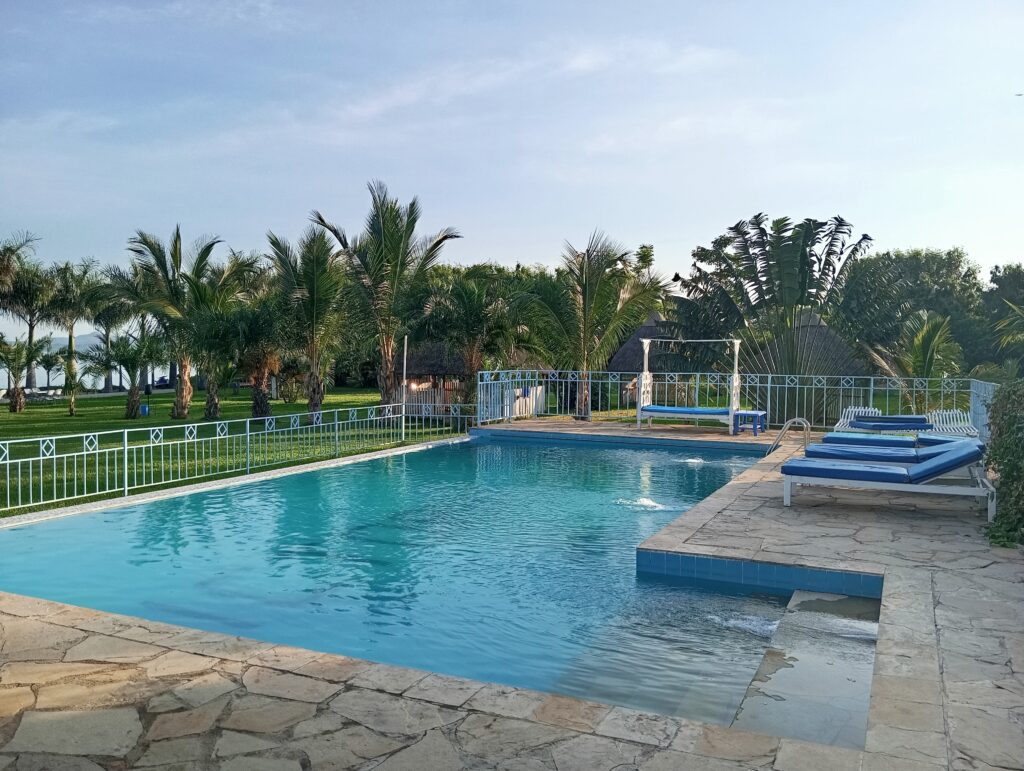
By 2018, she had bought land and begun construction. Victoria Sands Mbita opened in
2019, a tranquil property with coastal-inspired architecture and round, hut-like cottages
that mimic the traditional layout of a Luo homestead.
“I wanted to fuse modern and traditional,” she explains. “A Luo compound has the
patriarch’s house at the center and the wives’ houses around it. That’s how I designed
my cottages — traditional structure, modern comfort.”
Lynn’s attention to space and serenity defines the experience. “I’m not after crowds,”
she says. “I prefer hosting fewer guests and giving them a quality experience rather than
chasing numbers.”
Not long after launching the Mbita lodge, Lynn noticed a recurring request from guests
— many wanted to “sleep on an island.”
So she set out to fill that gap, establishing Victoria Sands Takawiri, a 10-minute
speedboat ride across the lake.
“When guests stay for two or three days, we encourage them to try both — the mainland
and the island,” she says. “It gives them a complete Lake Victoria experience.”
The hotel’s success has sparked growth around Mbita and her lodges have become a
reference point for both visitors and locals.
“When I started, there were only four major hotels. Now, several have come up — some
even copied my cottage designs,” she says with a grin.
Her investment has also had ripple effects on land value. “When I bought this place,
lakefront land was about 1.2 million shillings per acre. Today it’s about 3 million,” she
says. “We’ve definitely influenced the local real estate market.”
Investors are now flocking to the region for tourism, fishing, and holiday homes.
Projects like Victory Farms, one of Lake Victoria’s largest fish producers, have followed
suit, boosting the local economy.
Homa Bay’s tourism offerings read like an adventurer’s treasure map: the hot springs of
Homa Hills, the flamingo-dotted Simbi Nyaima Lake, Tom Mboya Mausoleum on
Rusinga Island, and the ancient rock art of Mfangano Island, believed to date back to
2000 BC. There’s also Ruma National Park, home to the rare roan antelope, and bird-
rich islands that draw avid birdwatchers from across the country.
The county recently introduced hiking and cycling expeditions at Ruma, something
Lynn believes could be a game-changer. “When people visit, they talk about it. Word of
mouth is the best marketing tool we have,” she says. “Every new visitor is part of the
discovery journey.”
Despite its beauty, Homa Bay’s tourism sector faces major hurdles. Lynn points first to
poor marketing and weak infrastructure.
“Tourism investors like us pay a 2percent levy to the Tourism Fund, whether we make a
profit or not,” she explains. “That money is meant to market Kenya’s destinations, but I
don’t see how counties like Homa Bay benefit.”
Infrastructure, she says, remains another pressing issue. While the Mbita road was
upgraded several years ago, the interior routes to Suba South and North remain largely
impassable.
“During the rainy season, guests can’t access us easily. Roads become a nightmare,” she
says.
Water transport, the only way to reach some of the islands, also lacks government
investment.
“Everything is left to private operators. Ferries, water buses, speedboats — all are
privately run, and that makes travel expensive,” Lynn adds. “The government really
needs to step in.”
Still, most land remains ancestral and with that comes complexity.
“Many buyers get into trouble because they don’t do due diligence,” Lynn cautions.
“Some land is registered under great-grandfathers. If succession isn’t complete, you can
lose your investment.”
