Nairobi lit up with colour, culture, and diplomacy as the Chinese New Year celebrations
took center stage at the 3rd Nairobi Chinese New Year Gala, hosted by the Chinese
Embassy. Bringing together Chinese nationals, Kenyan officials, and members of the
international community, the event was more than just a cultural showcase but a
reflection of deepening ties between China and Kenya.
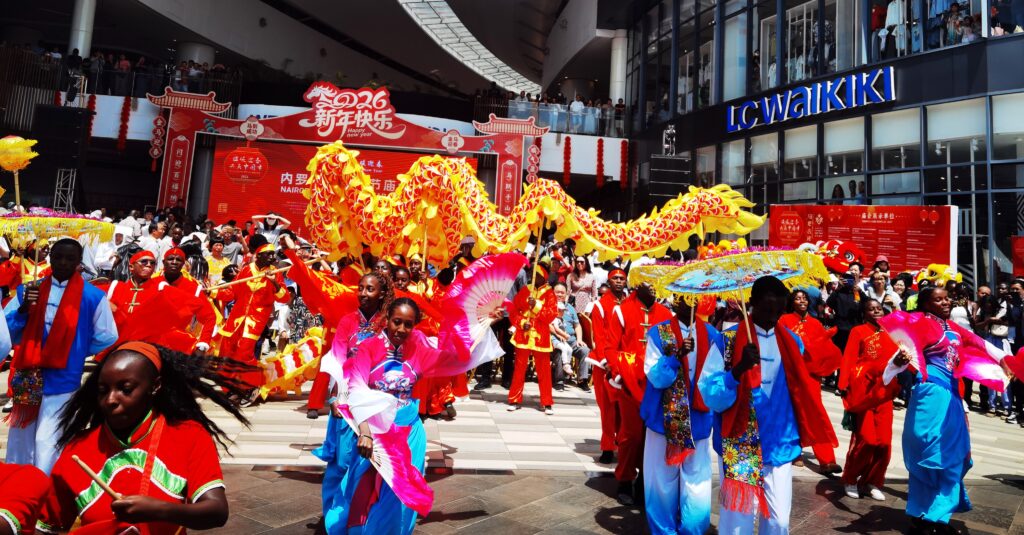
Held at Two Rivers mall, the event offered a vibrant glimpse into Chinese traditions,
from music and dance performances to immersive cultural experiences that marked the
arrival of the Year of the Horse. Symbolizing courage, resilience, and vitality, the horse
set the tone for a celebration that also carried strong diplomatic and economic
undertones. Often associated with determination and forward momentum, it served as a
fitting metaphor for the evolving partnership between Kenya and China, one built on
shared history, economic cooperation, and a vision for the future.
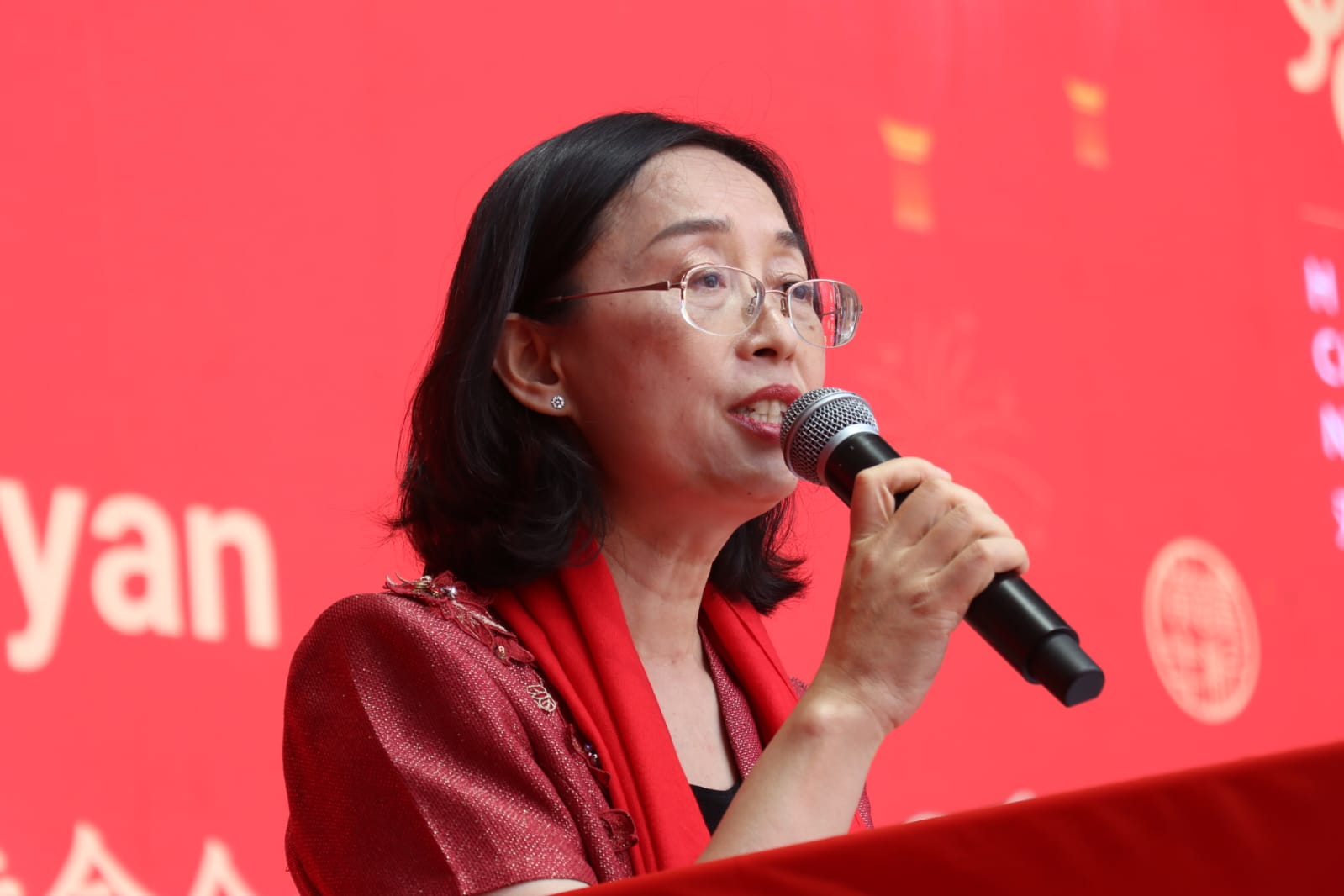
Speaking during the event, Guo Haiyan emphasized the importance of cultural exchange
in strengthening bilateral relations, noting that such engagements go beyond festivities.
“Throughout history, Chinese and African civilizations have inspired each other, laying a
solid foundation for our enduring friendship,” she said. “Today’s Chinese New Year Gala
is a vivid example of our profound communication and exchanges.”
The ambassador outlined an ambitious vision for the future, highlighting plans to
deepen cooperation through cultural dialogue, youth engagement, and shared
development experiences. She also pointed to 2026 as a significant milestone, having
been designated as the China-Africa Year of People-to-People Exchanges.
“Cultural dialogue and mutual learning have always been vital forces for human
progress and peace,” she added, reaffirming China’s commitment to strengthening its
relationship with Kenya and the broader African continent.
Beyond the cultural performances, the event also served as a platform to advance
discussions on tourism and economic cooperation, key pillars of the Kenya-China
partnership.
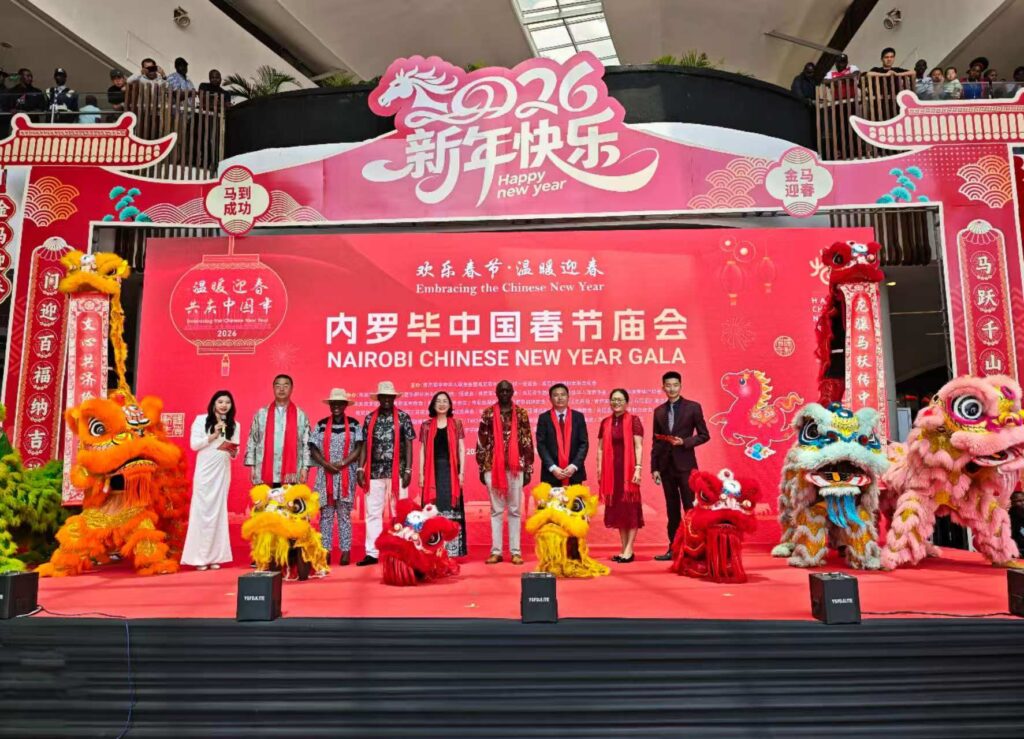
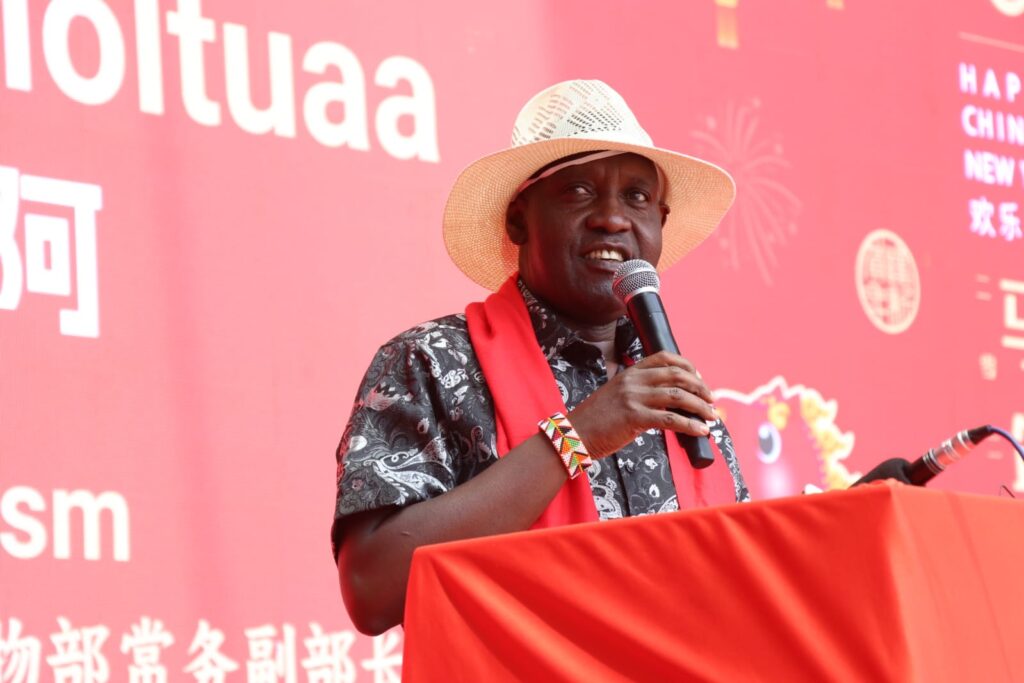
Representing Kenya’s tourism leadership, John Ololtuaa used the occasion to make a
direct appeal for increased Chinese tourism to the country. He noted that while the
numbers are growing, there remains significant untapped potential.
“Chinese tourist arrivals to Kenya reached 105,000 in 2025, up from over 90,000 the
previous year,” he said. “Before Covid-19, the numbers stood at 84,000. With China’s
population, even attracting one million visitors would be transformative for our tourism
sector.”
Chinese travelers are increasingly seen as one of the most valuable source markets
globally, known for their high spending power, group travel patterns, and interest in
curated cultural and nature-based experiences. For Kenya, which is actively diversifying
beyond traditional Western markets, China presents an opportunity to tap into a vast
outbound tourism base. With improved visa processes, growing air connectivity, and
tailored tourism products, from wildlife safaris to cultural itineraries, Kenya is
positioning itself to better attract and cater to this segment, recognizing its potential to
significantly boost tourism revenue and year-round arrivals.
Ololtuaa underscored the importance of strengthening travel links and cultural
familiarity to drive tourism growth. His remarks highlighted a broader strategy by
Kenyan authorities to position the country as a top destination for Chinese travelers,
particularly as global travel continues to rebound.
The gala also shed light on the growing presence of Chinese nationals in Kenya, with
more than 60,000 currently living and working in the country. According to Ololtuaa,
this community has played a significant role in fostering economic growth, investment,
and cultural exchange.
“People-to-people connections are at the heart of our relationship,” he said, adding that
cultural diplomacy continues to open new pathways for collaboration.
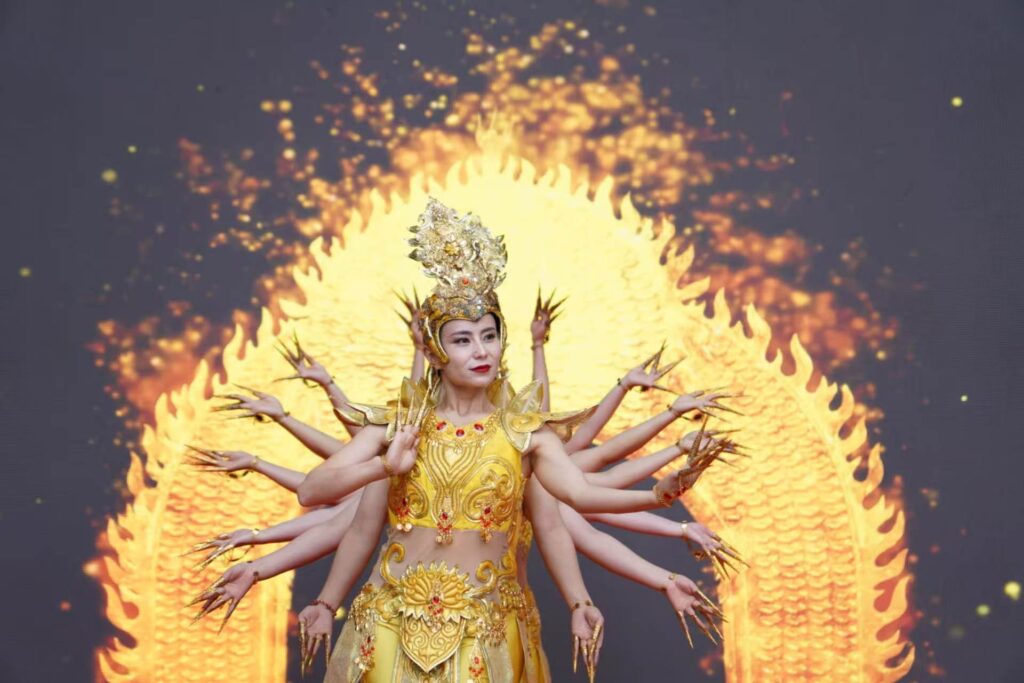
Indeed, the performances, ranging from traditional Chinese acrobatics to contemporary
artistic expressions, served as a reminder that culture often succeeds where policy alone
cannot. These exchanges, officials noted, are helping to build mutual understanding
while preserving heritage on both sides.
Ambassador Guo highlighted ongoing collaborations, including film, media, and
cultural exchange programmes. She pointed to Kenya’s recent initiative to send 22
cultural experts to China to study intangible cultural heritage, noting that such efforts
are already influencing local cultural programming.
“Cultural cooperation succeeds best when it is reciprocal,” she said, expressing
optimism about the growing involvement of young people in preserving and sharing
cultural traditions.