
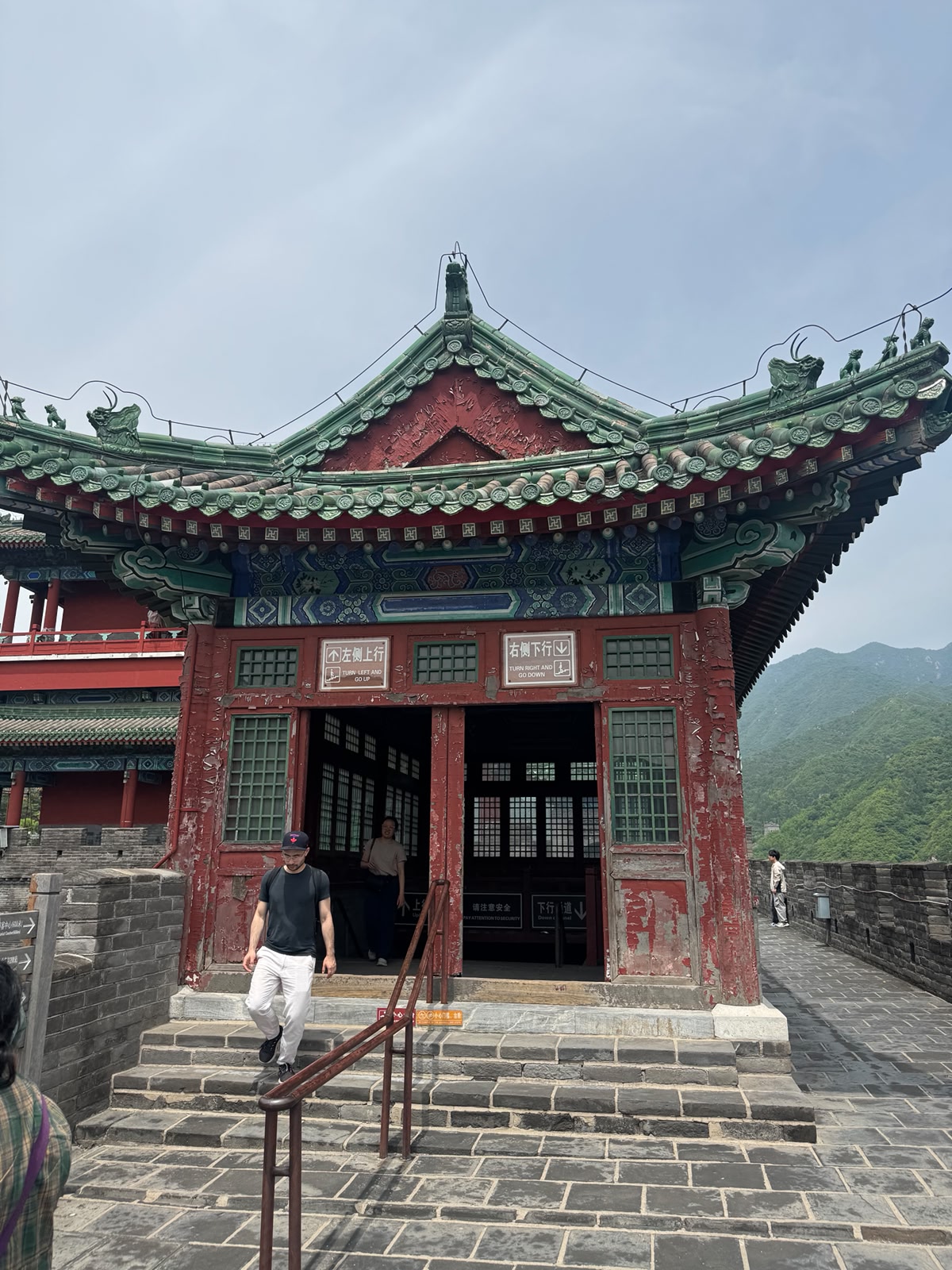
The wind was sharper than I expected. Standing atop the ancient stones of the Great
Wall, I looked out across a landscape of rolling mountains that seemed to stretch
endlessly into the horizon. The wall twisted and curved over the ridgelines like a giant
dragon, disappearing into distant peaks before reappearing again further away. Around
me, visitors from dozens of countries paused to take photographs, catch their breath, or
simply absorb the view. For a moment, conversation faded into the background,
replaced by an overwhelming sense of awe.
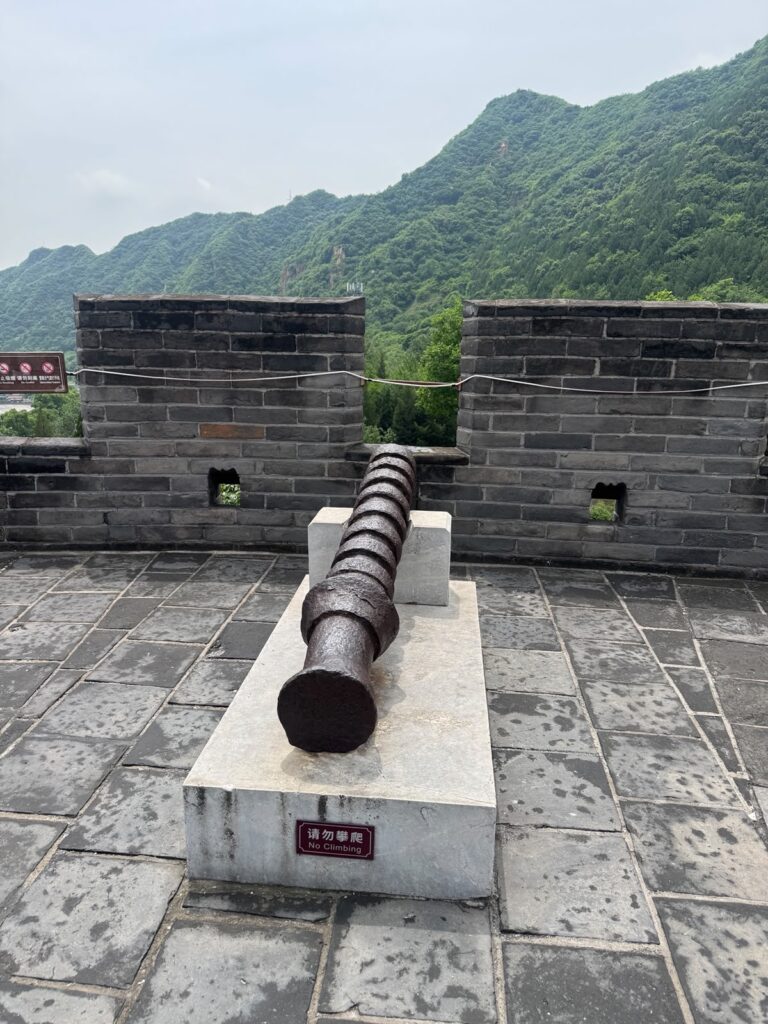

It was not just the scale of the structure beneath my feet. It was the realization that
generations of people had stood here before me, gazing at the same mountains,
wondering about the same history, and feeling the same sense of wonder.
That feeling helps explain why the Great Wall remains one of the world’s most
fascinating travel destinations. Yet the experience was not entirely comfortable. My
lifelong fear of heights accompanied me with every step, especially when the Wall rose
sharply above the valleys below.
Despite being centuries old, the Great Wall continues to attract millions of visitors
annually and remains one of the most recognizable landmarks on Earth. In an age when
travelers are constantly seeking new destinations and experiences, the Wall retains a
unique power. It is more than a monument. It is a symbol, a cultural treasure, and for
many travelers, the ultimate bucket-list journey.
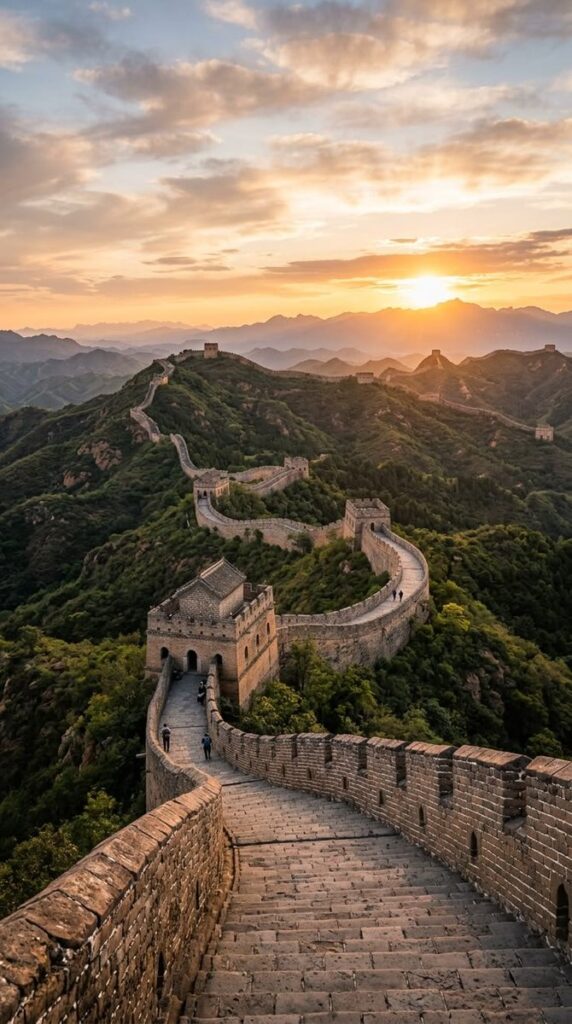
Standing on the weathered stones of the Great Wall, I watched the structure snake
across ridge after ridge, disappearing into the haze before reappearing miles away.

Its watchtowers stood like sentinels against the sky, while steep staircases climbed
impossibly high over mountain peaks. Around me were visitors from every corner of the
world—families, backpackers, retirees, students—all sharing the same expression of
amazement. It is one thing to see photographs of the Great Wall and another to stand on
it and realize that beneath your feet lies more than 2,000 years of history, sacrifice,
ambition, and legend. That feeling helps explain why the Great Wall continues to
fascinate the world. For millions of travelers, it remains one of the ultimate bucket-list
destinations, a place where history and human achievement combine to create an
unforgettable experience.

A Wall Built Across Centuries
The Great Wall is often described as a single structure, but it is actually a vast network of
walls, fortifications, and watchtowers built and rebuilt by successive Chinese dynasties.
According to our guide, Susan Chan, its origins stretch back to the 7th century BC when
regional states constructed defensive barriers against rival kingdoms and invading
forces. The first emperor of a unified China, Qin Shi Huang, ordered many of these
sections connected and expanded after 221 BC.
“Over the centuries, different dynasties continued construction. The sections most
visitors see today were largely built during the Ming Dynasty, which strengthened
defenses against northern invasions and created many of the stone and brick structures
that have survived into modern times,” she explained.
At its peak, the Wall stretched thousands of kilometers across deserts, mountains,
grasslands, and plains. It was one of the most ambitious engineering projects in human
history which came at a tremendous cost.


“Historical records and estimates suggest that hundreds of thousands, and possibly
more than a million, soldiers, laborers, prisoners, and peasants worked on various
sections of the Wall over centuries. Many died from exhaustion, disease, accidents,
harsh weather, and poor working conditions,” she continued.
The Great Wall has often been called “the longest cemetery on Earth,” although
historians note that stories claiming workers were buried directly within the Wall are
largely unproven. What is certain is that countless lives were lost during its construction
and these human stories add another layer of meaning for visitors today. The Wall is not
only a monument to achievement but also a reminder of the sacrifices that made such
achievement possible.
Why People Dream of Visiting
Few landmarks occupy the global imagination quite like the Great Wall. From childhood
textbooks to travel documentaries, it is one of the first monuments many people learn
about. Its image is instantly recognizable, even to those who know little about Chinese
history. For international travelers, visiting the Wall often feels like stepping into a place
that has existed in their imagination for years.
Unlike some famous landmarks that can disappoint because they appear smaller than
expected, the Great Wall often has the opposite effect. Its scale is almost impossible to
appreciate until you see it firsthand.
The experience combines physical adventure with historical discovery. Visitors climb
steep stone stairways, explore ancient watchtowers, and gaze across landscapes that
have changed little over centuries.
In a world increasingly dominated by digital experiences, the Great Wall offers
something tangible and authentic: a direct connection with history.

Mao’s Famous Words
The Wall’s symbolic power extends beyond tourism. One of its most famous modern
associations comes from Chinese leader Mao Zedong, who immortalized it in a phrase
that remains widely quoted in China today. In a poem written in 1935, Mao declared:
“He who has never been to the Great Wall is not a true hero.”
The statement was originally metaphorical, referring to perseverance and determination
during a difficult military campaign. Yet over time it became linked directly to visiting
the Wall itself.
Today, many tourists encounter the phrase displayed at popular sections of the
monument. Being here represents endurance, resilience, and the willingness to
overcome challenges qualities admired across cultures.
The UNESCO Effect
The Wall’s global reputation received another boost in 1987 when it was designated a
UNESCO World Heritage Site strengthening its conservation efforts. However,
preserving the Wall remains a major challenge, as sections face threats from weather,
erosion, urban development, and heavy tourist traffic. Yet protecting the monument is
widely viewed as a global responsibility because its significance extends far beyond
China’s borders.
