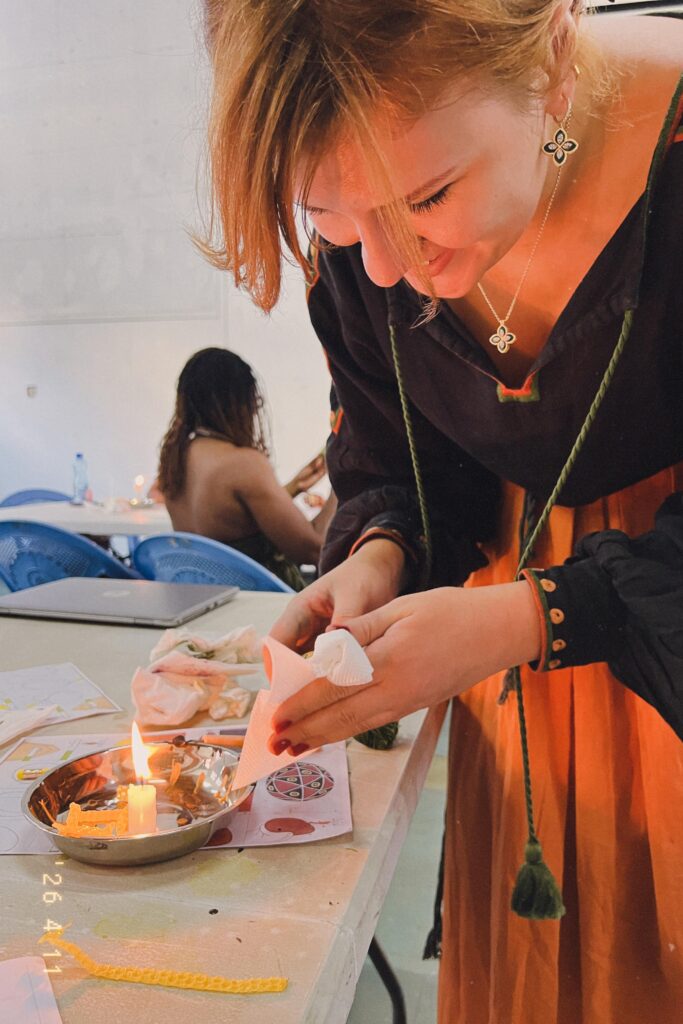
The smell of melted wax hangs softly in the air, mixing with quiet concentration as I
steady my hand over a small, fragile egg. Around me, inside the National Museums of
Kenya, soft Ukrainian traditional music plays in the background, setting a mood that is
both calming and deeply reflective.
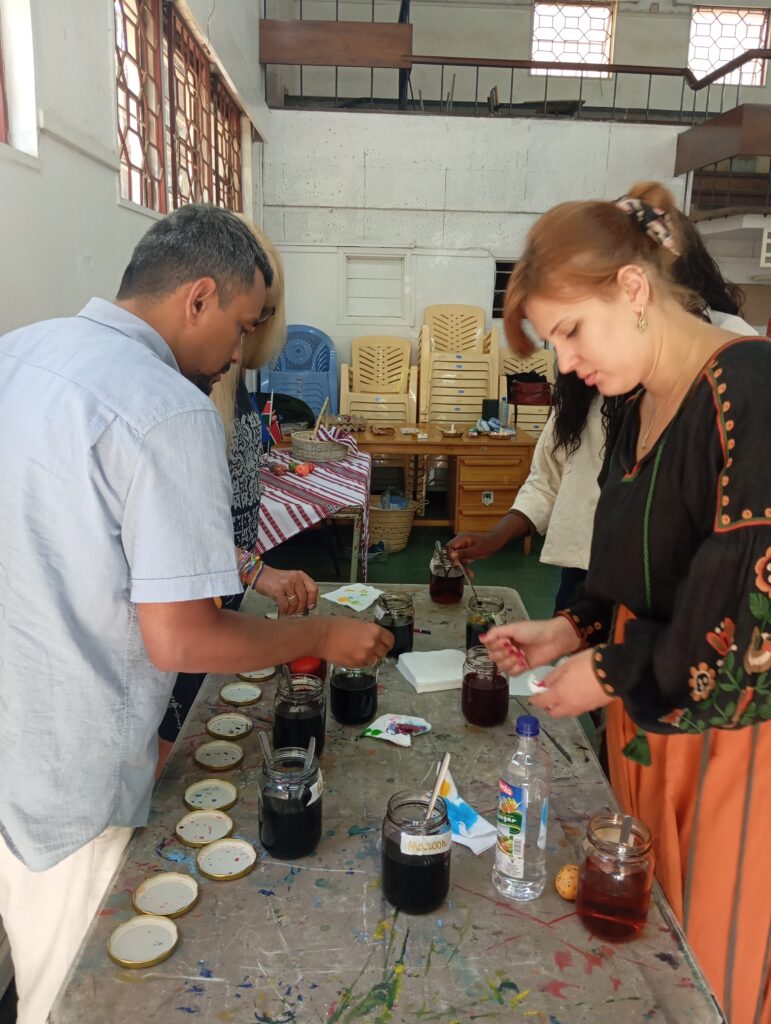
I am attending a Ukrainian Easter Egg, pysanka, workshop organized by the Embassy of
Ukraine in the Republic of Kenya, and for a moment, Nairobi feels like a meeting point
of histories far older than the city itself.
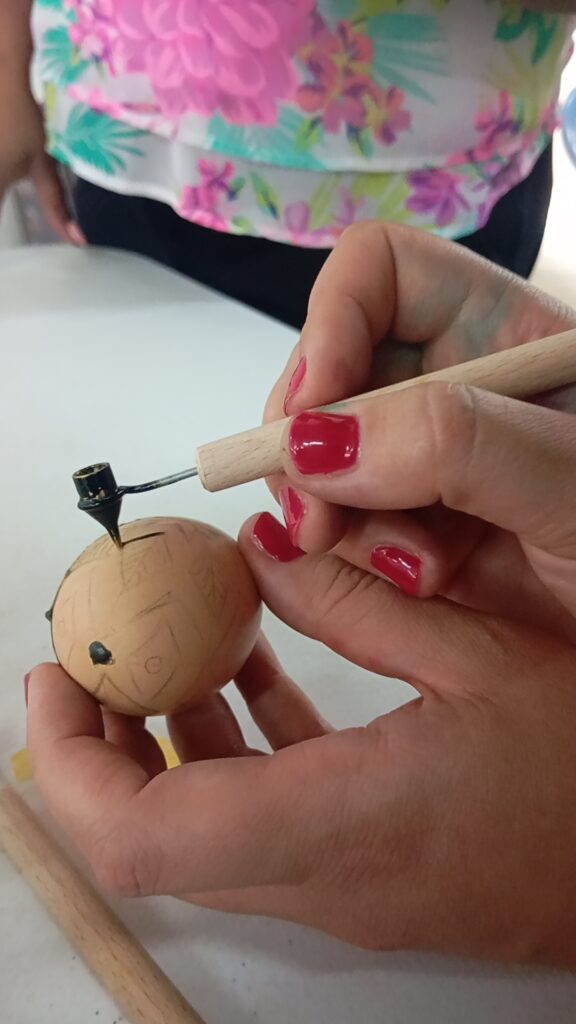
In my hand is a tool called a kistka, used to draw melted wax onto the egg’s surface. The
process is delicate. You draw, dip the egg in dye, then repeat layer after layer until
patterns begin to emerge like secrets slowly revealed. Every line demands intention.
Beside me, Ukrainian artist Iryna Kiyanchenko watches quietly, occasionally guiding
participants through the intricate wax-resist technique that defines pysanky. Her
presence is calm, almost meditative, mirroring the very essence of the craft she is
teaching.
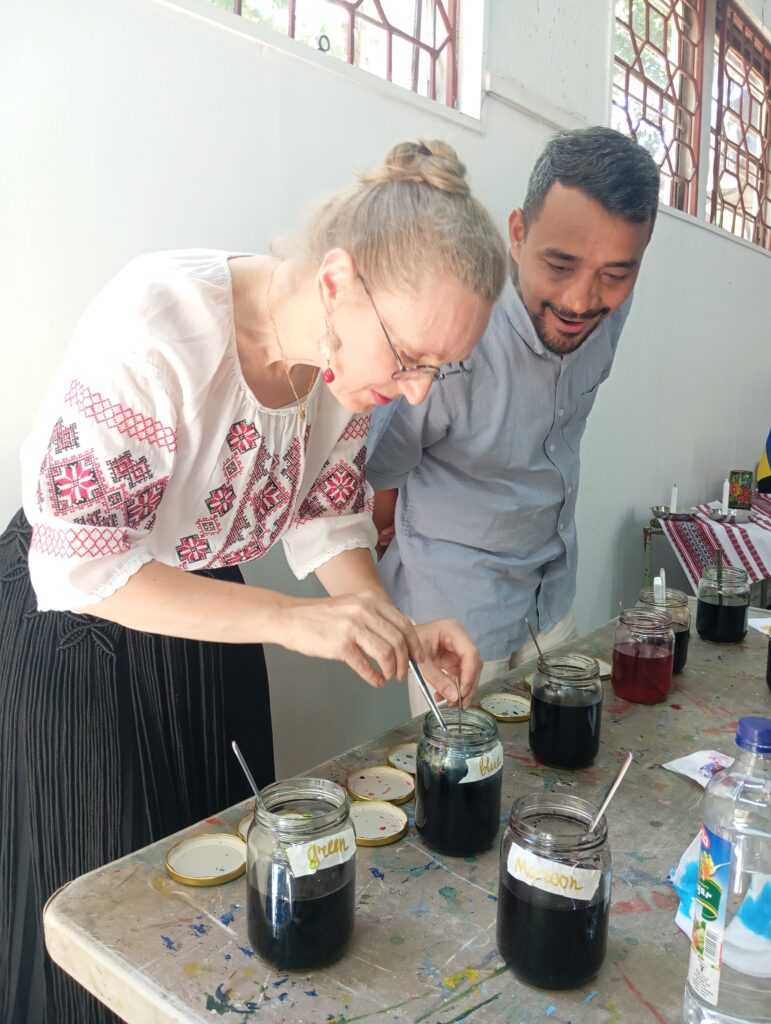
“When I create a pysanka, I feel a profound connection to my ancestors,” she tells me as
she slowly guides me into how I would later on draw my desired patterns on my egg
shell. “By repeating traditions preserved through centuries, it feels as though you are
touching the past, entering a time when people lived much closer to nature.”
The egg, she explains, is not just an object. It is a symbol of life itself, a vessel of
beginnings. In ancient Ukrainian belief systems, long before Christianity, the egg
represented rebirth, fertility, and the cyclical nature of existence. Decorated with
symbols inspired by the sun, earth, and seasons, pysanky were used in rituals to honor
life and protect communities.
As I carefully trace a simple pattern onto my egg, I begin to understand what she means.
The process pulls you inward. The heat of the wax, the stillness of the room, the quiet
focus becomes less about creating something beautiful and more about experiencing
something ancient.
Historically, the art of pysanky dates back thousands of years to the prehistoric
Trypillian culture in what is now Ukraine. These early communities worshipped the sun,
believing it to be the source of all life. Birds, seen as creatures closest to the sun, were
sacred—and their eggs became powerful symbols in rituals marking the arrival of spring
and the rebirth of the earth.
With the arrival of Christianity in 988 AD, the meaning of the pysanka evolved. The egg
came to symbolize the resurrection of Christ, yet many of the older, pagan symbols
remained embedded within the designs. It is this layering of belief systems, old and new,
that gives pysanky its enduring power.
But the tradition has not always been secure. During the Soviet era under Stalin,
pysanky were banned as part of a broader effort to suppress religious and cultural
expression in Ukraine. Families who continued the practice often did so in secret,
risking severe punishment. It was the Ukrainian diaspora, particularly in North
America, that preserved the art form until it could safely return home.
Today, pysanky is recognized as part of UNESCO’s cultural heritage, a testament to its
resilience and significance.
Yet what is perhaps most striking, sitting here in Nairobi, is how familiar it all feels.
“I think this connection also exists in the Kenyan experience,” Kiyanchenko says. “Just
like in Ukraine, there was a time of pagan traditions before Christianity. Many of those
ancient beliefs were later woven into Christian practices, but on a deeper level, we can
still feel what our ancestors once felt.”
In Kenya, too, rituals tied to land, seasons, and spirituality have long shaped community
life. From harvest ceremonies to rites of passage, there is a shared understanding that
life is cyclical, sacred, and deeply connected to nature. Even as modernity reshapes these
traditions, their essence remains.
“This shared sensitivity, to the earth, to symbolism, to ritual creates a bridge between
cultures,” she adds. “Even though the forms may differ, the essence remains the same.”
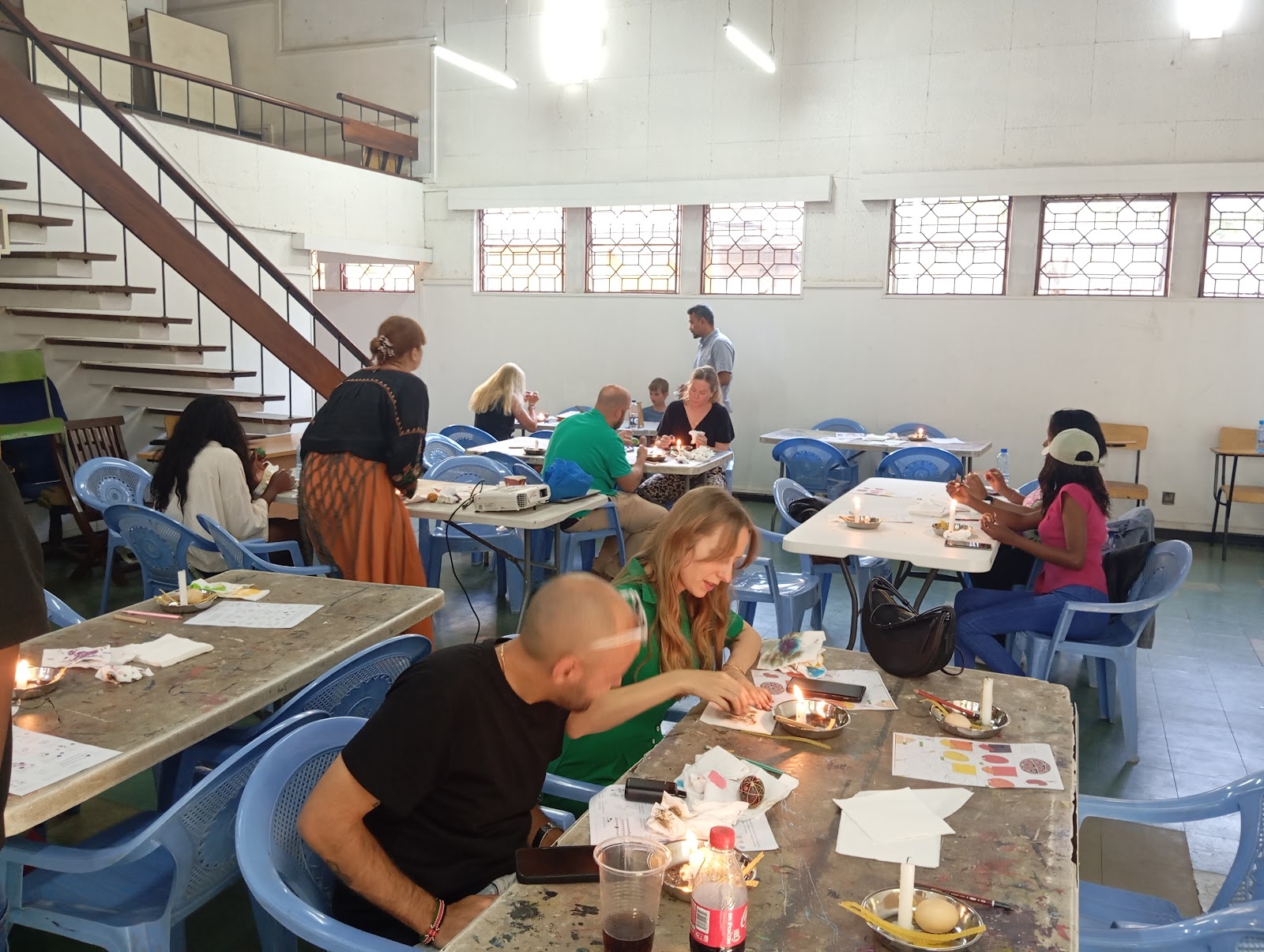
Looking around the room, I see that bridge in motion. Kenyan participants, artists,
students, curious visitors, are bent over their eggs, each interpreting the tradition in
their own way. Some designs are intricate, others tentative. But all carry intention.
For Kiyanchenko, art itself is deeply personal. Inspired by nature and the emotional
landscapes of human experience, her work often explores themes of femininity, identity,
and introspection.
“What inspires me most is nature especially feminine beauty,” she says. “I believe in a
woman as the source and foundation of life. But I’m also inspired by emotional states
things like déjà vu or even insomnia. These are experiences that allow us to look deeply
within ourselves.”
It is this inward gaze that defines both her personal art and the practice of pysanky.
Each egg becomes a reflection not just of tradition, but of the person creating it.
As the workshop comes to a close, I hold my finished pysanka carefully. It is imperfect.
The lines are not as steady as I would like, the patterns not as intricate as those around
me. But it feels significant nonetheless.