

As Angola accelerates efforts to diversify its oil-dependent economy, the country is increasingly looking toward strategic partnerships across Africa with Kenya emerging as a key potential ally in shaping its tourism future.
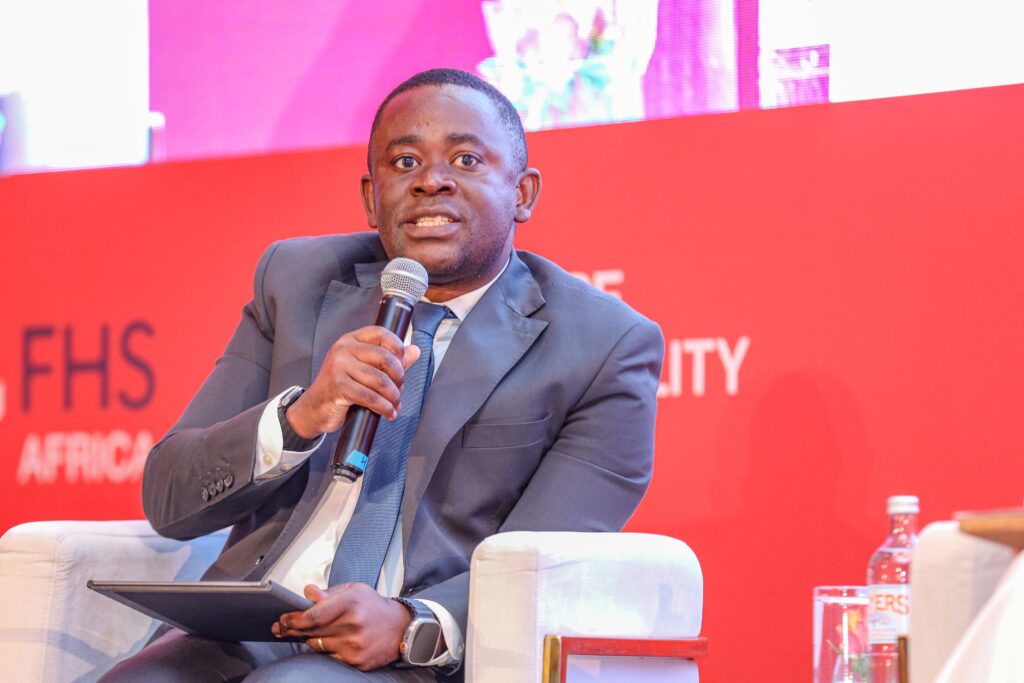
In an exclusive interview during his recent visit in Kenya at the Future Hospitality Summit event in Nairobi, the Secretary of State for Tourism Republic of Angola, Augusto Kalikemala outlined an ambitious but complex journey: transforming a resource-driven economy into a diversified one where tourism plays a central role. The shift, they admit, has not been easy.
Q: How easy or difficult has it been for Angola to diversify from oil to tourism? What has that transition looked like?
A: It has not been easy. Diversification has to start with leadership, and we are fortunate to have leadership that recognises tourism as a key pillar alongside agriculture and industry. But tourism is still new for us. The biggest challenge has been ensuring that all levels of government understand its importance. Every ministry must align with this vision for tourism to truly grow. We are taking the first steps—strengthening regulations, building awareness, and positioning Angola as a destination internationally through our brand, Visit Angola: The Rhythm of Life.
Q: What are you doing to build this awareness and capacity internally?
A: Internally, we are focusing heavily on capacity building. Tourism is not just about attracting visitors; it is about preparing people. We are investing in technical training, involving communities in tourism activities, and ensuring that local people are part of the value chain. This is critical because tourism must ultimately create jobs and improve livelihoods.
Q: You mentioned significant investments in infrastructure. What kind of infrastructure is Angola prioritising?
A: Infrastructure is fundamental. We started with a major investment in a new international airport to improve connectivity and position Angola as a regional hub. But beyond that, we are focusing on basic infrastructure—roads, water, energy. These are essential before private investors can come in. Once the state provides this foundation, we invite the private sector to develop hotels, parks, and other tourism facilities.
Q: Which areas are you targeting for tourism development?
A: We are focusing largely on coastal and high-potential areas. Benguela is a key coastal destination, and Cabo Ledo, which is about 100 kilometres from Luanda, has great potential. In the south, near Namibia, we have the Namib Desert meeting the sea, which is very unique. We are also looking at other regions with strong tourism potential but currently lacking infrastructure.

Q: Angola already receives business travellers. How are you shifting towards leisure tourism?
A: Yes, Luanda is already a strong business destination. The next step is to build a leisure market. That means developing tourism products in areas outside the capital—coastal resorts, nature experiences, and cultural tourism. Infrastructure development is key to unlocking these areas and diversifying our tourism offering.
Q: Angola recently strengthened its tourism partnership with South Africa. What does that collaboration involve?
A: Our partnership with South Africa dates back to 2007, but we recently signed an implementation plan to make it more practical. The focus is on training tour operators, building capacity, and promoting tourism jointly. We also participate in each other’s tourism fairs. South Africa is more advanced in leisure tourism, so there is a lot we can learn from them.
Q: Why are African partnerships so important for Angola’s tourism strategy?
A: Partnerships are essential because tourism is interconnected. African countries can support each other through knowledge exchange, training, and shared promotion. We already have strong travel flows with countries like South Africa, and we want to strengthen similar relationships across the continent. Tourism should help connect African countries, not isolate them.
Q: Is Angola exploring a similar partnership with Kenya? What could that look like?
A: Yes, Kenya is a very important potential partner for us. Kenya is strong in conservation and leisure tourism, and we can learn a lot from that. Angola is part of the Kavango-Zambezi Transfrontier Conservation Area, but our side is still largely unexplored from a tourism perspective. We already have conservation, but we need to develop tourism around it. Kenya’s experience in linking conservation with tourism can be very valuable.
Q: How do you see tourism supporting conservation in Angola?
A: Tourism is essential for conservation because it provides the financial resources needed to sustain it. Without tourism, conservation efforts become difficult to maintain. We are working with our Ministry of Environment to open up ecotourism opportunities in conservation areas, and this is an area where partnerships with countries like Kenya can be very beneficial.
Q: Angola is also investing in events and conferences. What role does MICE tourism play in your strategy?
A: MICE is a key focus area for us. We recently approved our first MICE strategy and have invested in a large convention centre in Luanda that can host over 3,000 people. Since Luanda is already known for business travel, it makes sense to build on that by attracting conferences, exhibitions, and major events.
Q: You mentioned international events like the E1 electric boat race. How important are such events for marketing Angola?
A: They are very important. Hosting international events helps position Angola globally and brings visibility to our destination. The E1 electric boat race, for example, will showcase our coastline and attract international attention. These events also create opportunities for tourism growth and investment.

Q: How are you targeting African travellers specifically?
A: For African travellers, we are promoting both business and leisure experiences. Luanda has a vibrant cultural scene—music, nightlife, and a strong African identity through genres like kizomba and kuduro. At the same time, we offer natural attractions like Kalandula Falls, the Namib Desert, and rainforests in Cabinda. We want Africans to see Angola not just as a destination, but also as an opportunity for investment.
Q: What is your vision for Angola’s tourism sector in the next two to three years?
A: We see a more diversified tourism sector with strong investment, better infrastructure, and increased employment. But we also want to preserve our authenticity—our culture, our traditions, our people. Tourism should not only bring visitors; it should improve the lives of Angolans and create opportunities for African investors as well.
Q: How is Angola ensuring that local communities benefit from tourism?
A: We already have regulations in place that prioritise community empowerment. The key now is implementation. As tourism grows, we must ensure that revenues are distributed in a way that benefits local communities—through jobs, training, and investment. That is how tourism becomes sustainable.
Q: Beyond partnerships and events, what other strategies are you using to market Angola?
A: We are participating in international tourism fairs, working with tour operators and travel agents, and organising familiarisation trips to introduce Angola to global markets. We are also engaging influencers to promote the destination. At the same time, we are developing domestic tourism by working with local stakeholders and financial institutions to make travel more accessible for Angolans.

Q: What is your message to potential partners like Kenya?
A: Angola is open for collaboration. We are building our tourism sector and looking for partners who can share knowledge, invest, and grow with us. Countries like Kenya, with strong experience in tourism, can play an important role in this journey. Together, we can strengthen tourism across Africa.
Top of Form
Bottom of Form
